%E5%A4%A7%E3%81%8D%E3%81%84.png)
Practical guides on sourcing, quality, and the matcha market, from people who work directly with farmers.
Some photos here were not taken by our founder.
Japanese tencha auction prices by region and grade, a transparent US-landed cost bridge, and where supply is tight. Updated monthly.
Why matcha is scarce right now, and how your cafe can still secure a steady supply from Japan.
How origin shapes flavor, price, and supply security, from Uji to Kagoshima and beyond.

What's myth and what's real about L-theanine, caffeine and antioxidants, and what your cafe can legally claim on the menu.
Why supply can't catch demand: a cafe buyer's outlook on prices, tencha, and securing matcha.
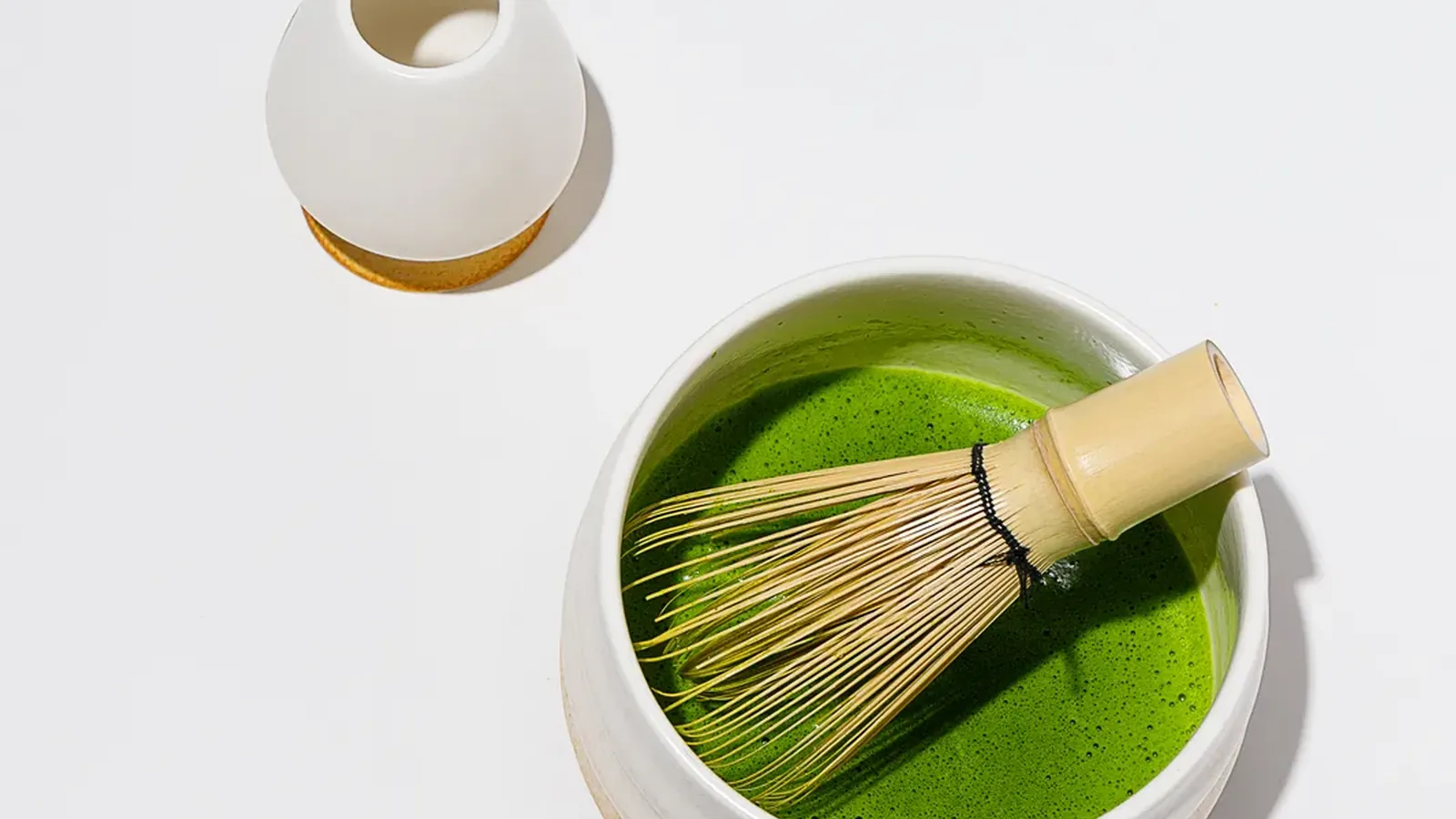
Grades aren't regulated. The leaf (tencha), the harvest (first flush) and a short supply chain are what you actually pay for.
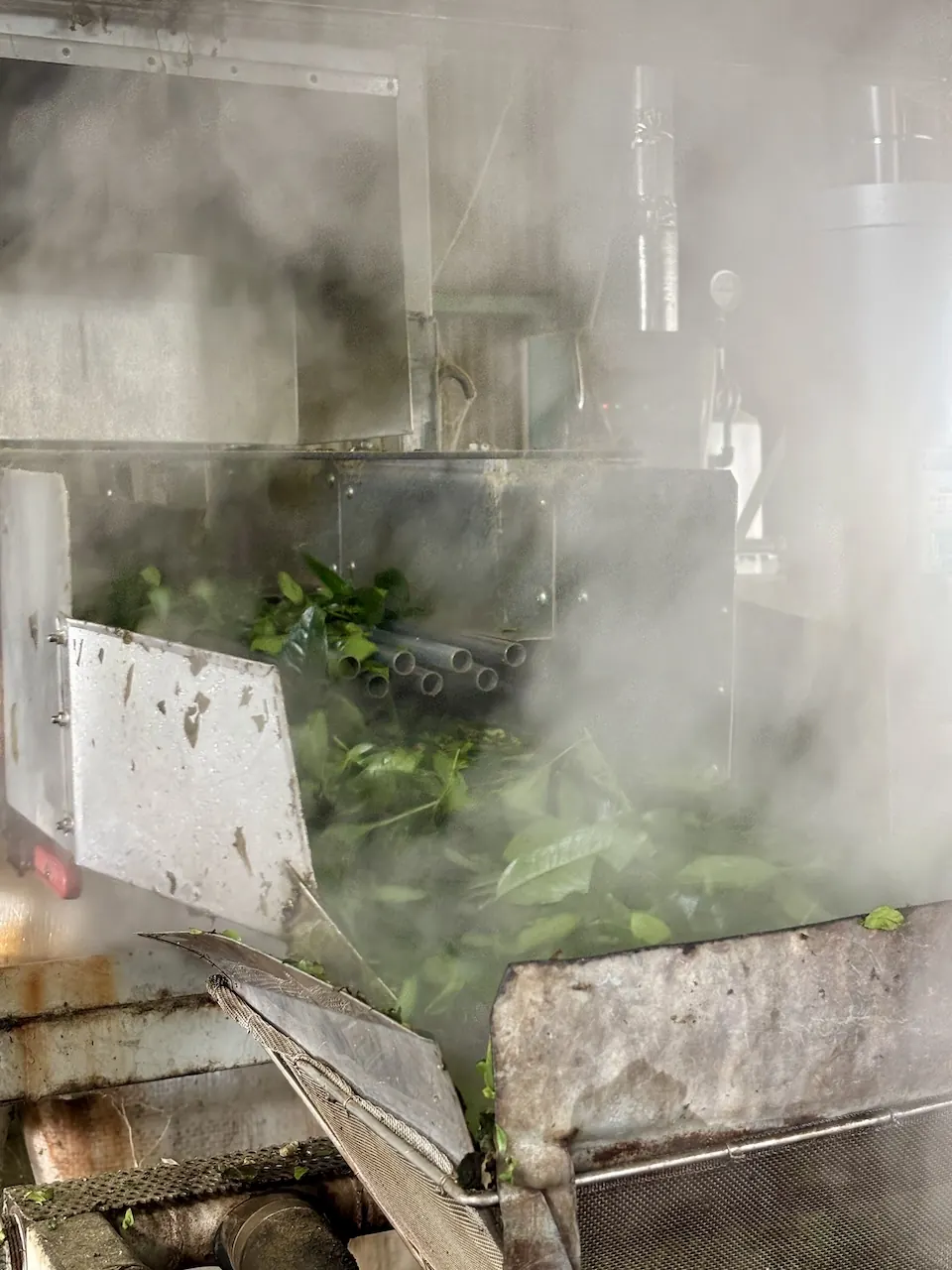
No legal definition protects "matcha." How real matcha is actually made (shade-grown, stone-milled tencha) and the quality traits cafes should test, drawing on ISO/TR 21380:2022.
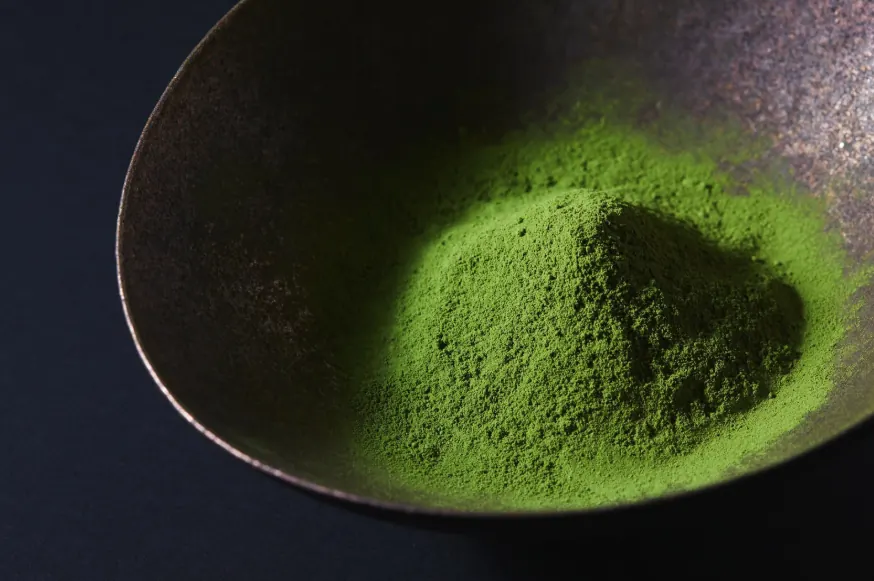
China now makes ~70% of the world's matcha. How Japanese and Chinese matcha differ in history and quality, and why provenance is becoming the product.
The 9 questions to ask, the lab tests to require, and how to vet a matcha lot before you commit.

Why matcha’s L-theanine changes how cafe customers experience caffeine — and what that means for your menu.
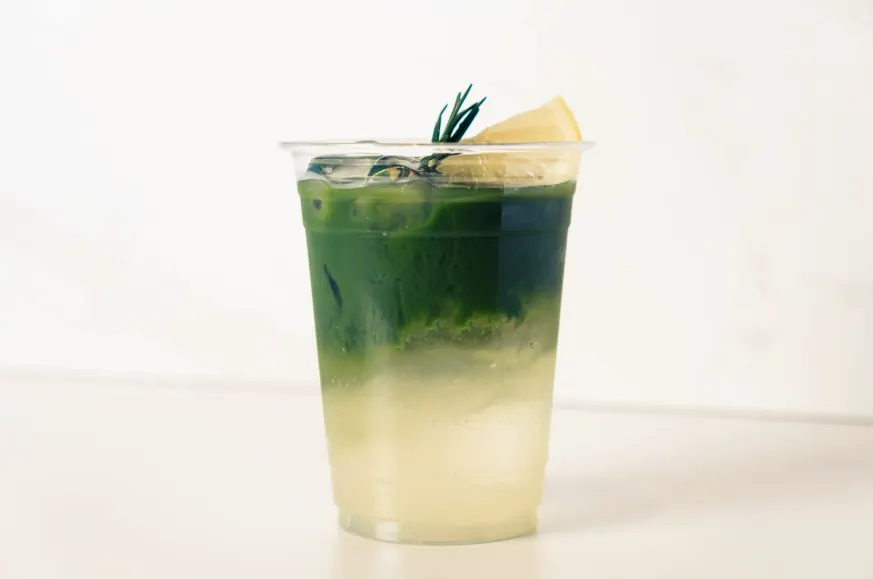
The 2026 operator playbook: which grade to buy, the $200–500 equipment list, the sub-45-second workflow, and how to secure Japanese supply before launch.

FDA Prior Notice, FSVP, import duty, customs fees, and label rules for a first direct shipment.
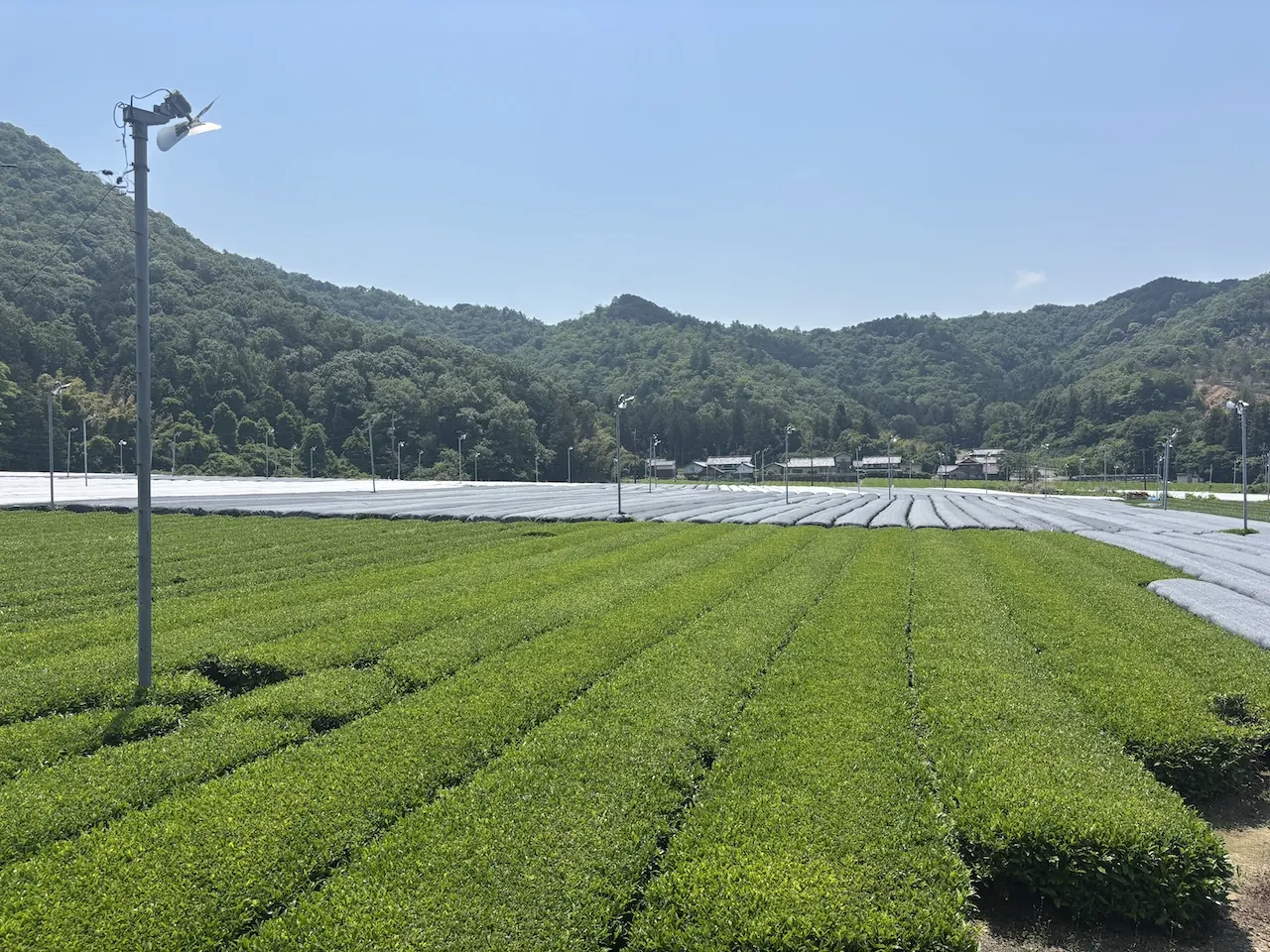
The four ways cafes buy Japanese matcha, and how to buy farm-direct when supply is short.
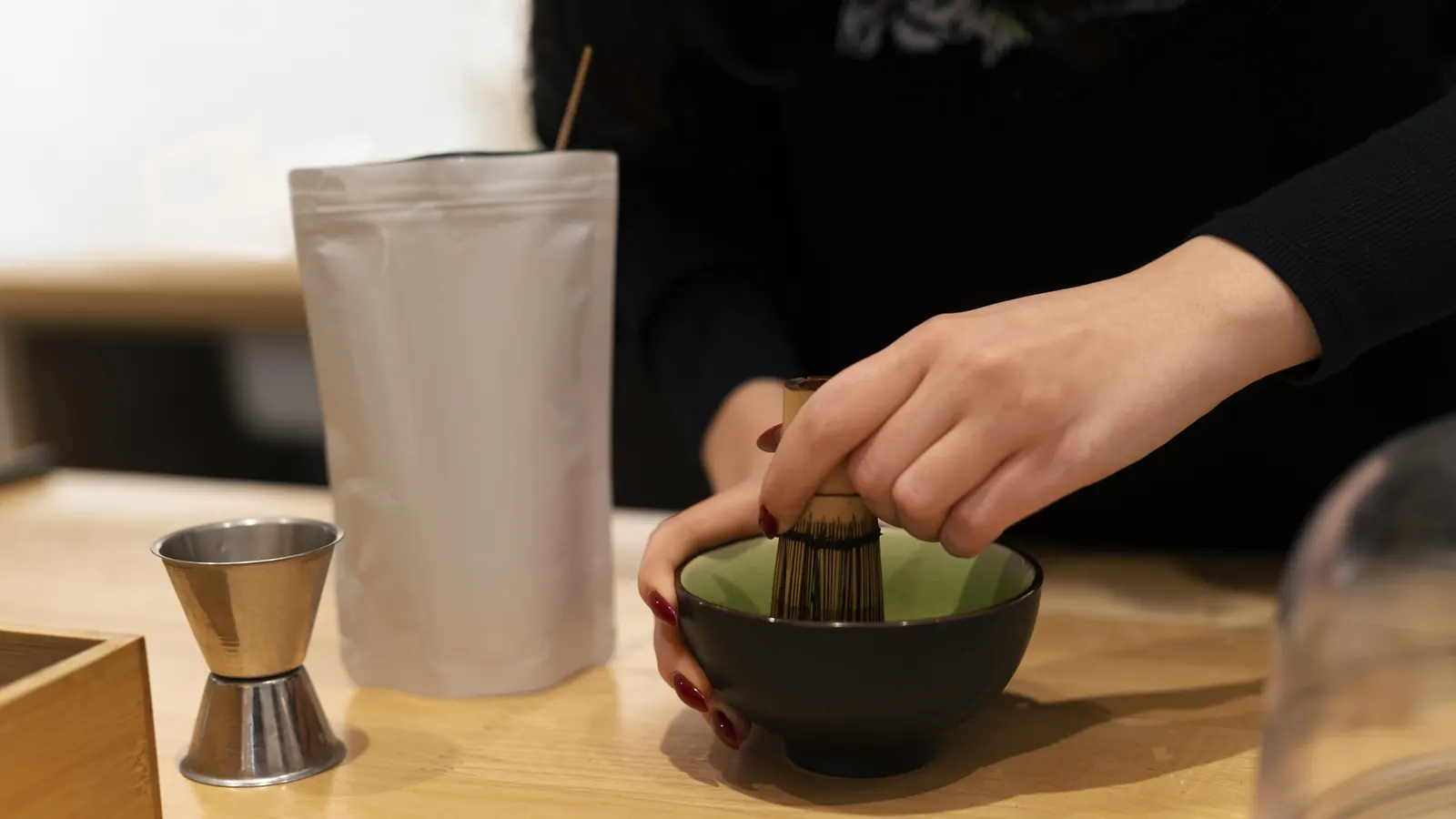
How long matcha stays fresh once opened, what actually degrades it, and the routine that keeps your matcha lattes consistent.
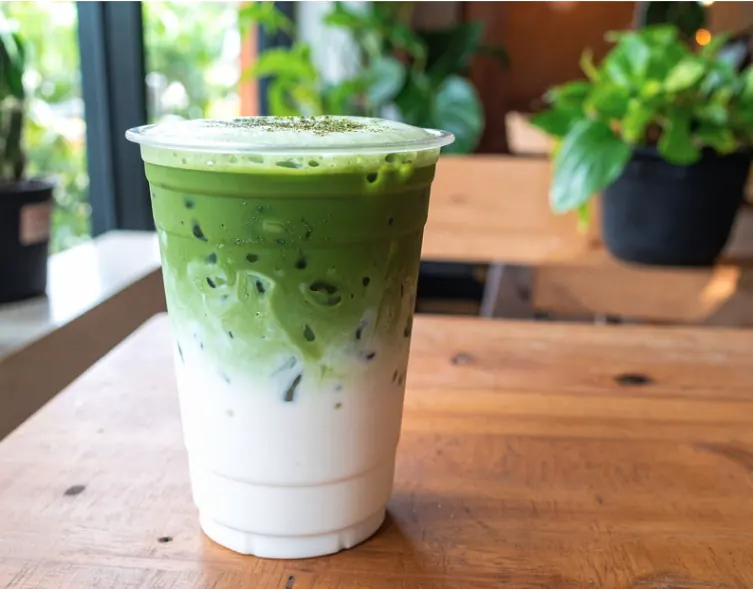
Which grade cafes actually need, how much you will use, the latte margin math, and how to lock reliable supply during the 2026 shortage. The pillar guide.
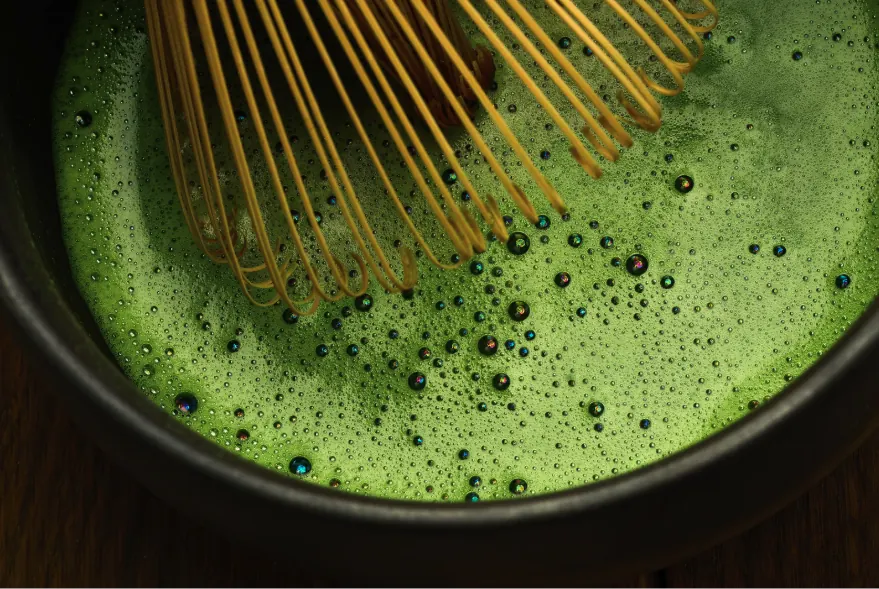
“Ceremonial grade” has no official definition. The real markers, when a cafe actually needs it, how to spot relabeled culinary, and how to source it in the 2026 shortage.
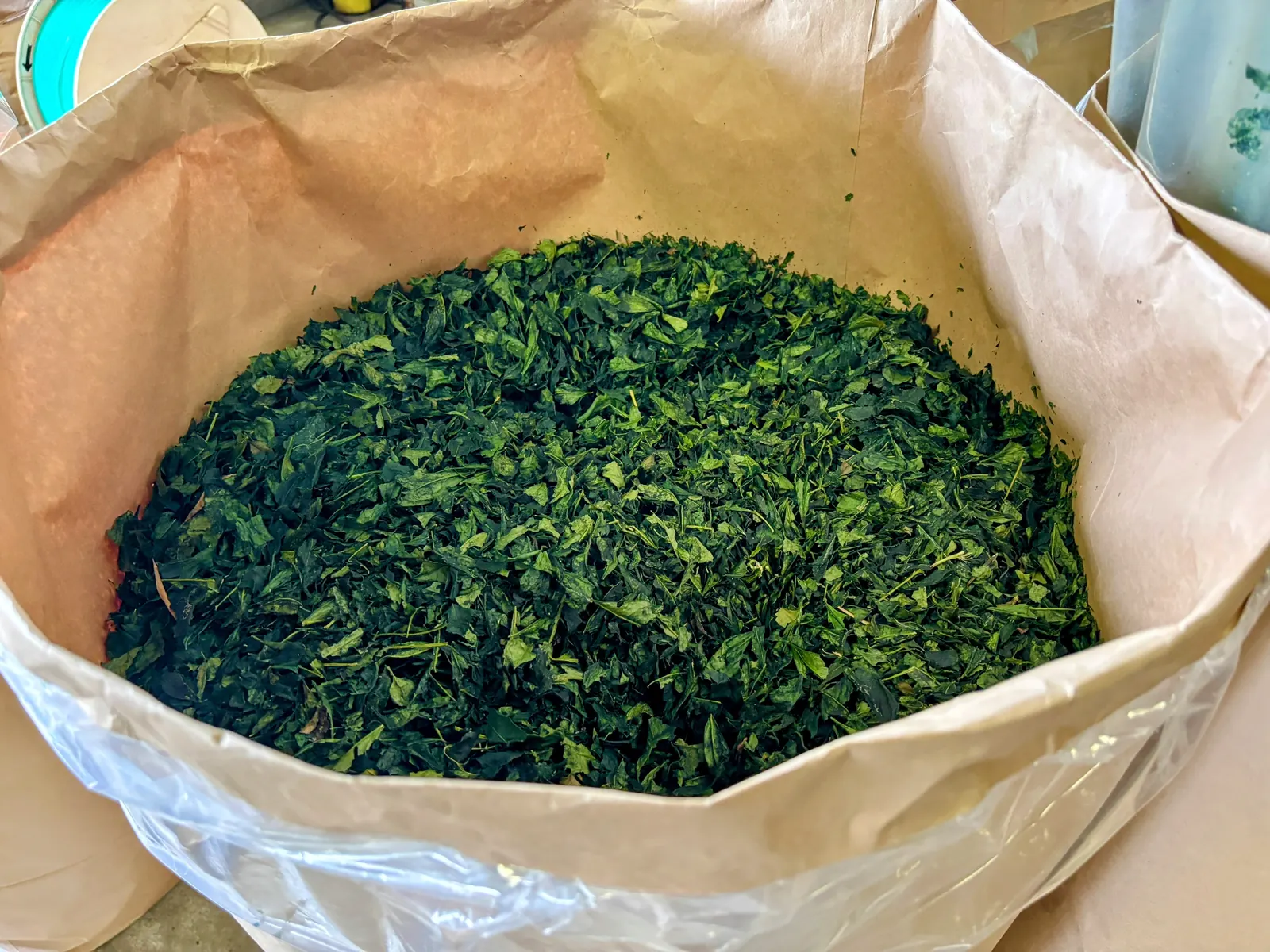
What wholesale and bulk matcha cost per kg by grade, MOQs, lead times, the red-flag prices that signal a fake, and how to buy direct from Japan.
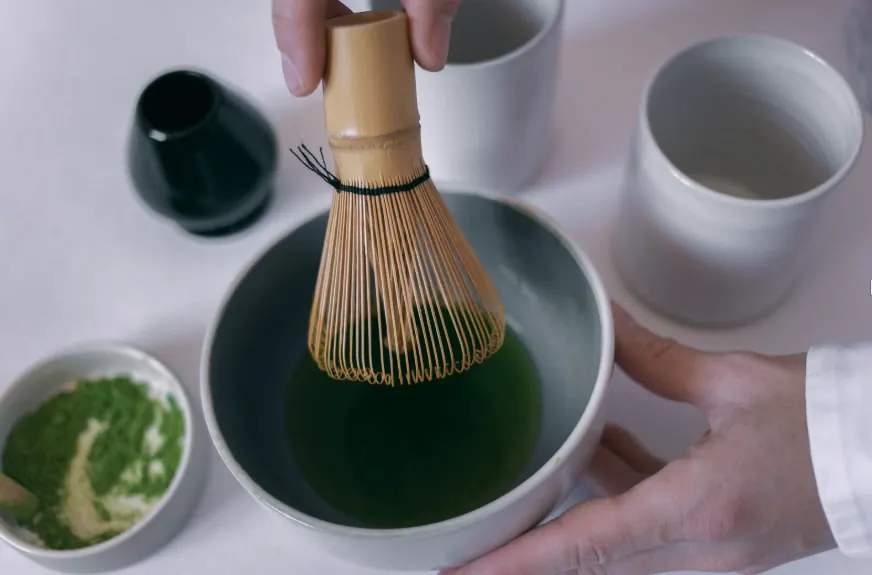
Cafe-ready matcha latte ratios for hot and iced, the water temperature and method that avoid bitterness, how to batch for volume, and which grade to use.
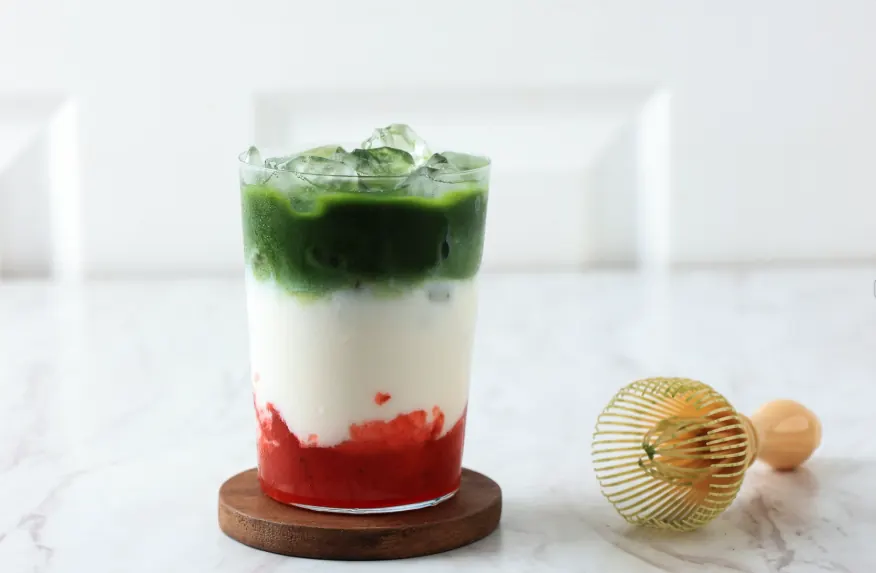
The iced matcha ratio and method, the 2026 trending drinks like strawberry matcha, the layered look that goes viral, summer batching, and which grade to use.
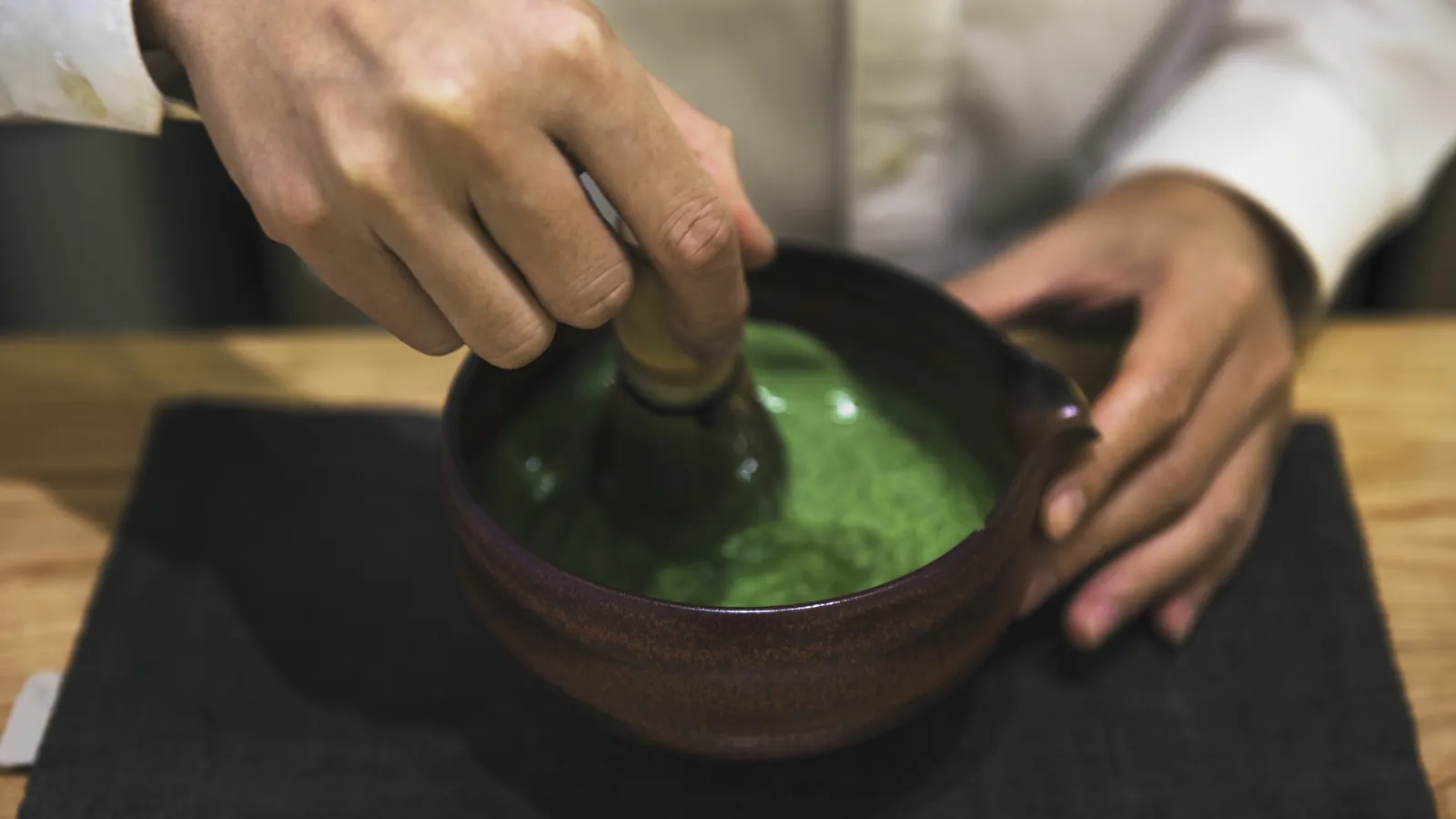
The official ISO/TR 21380 definition of matcha, what it excludes, and how to tell real matcha from powdered green tea and fakes.
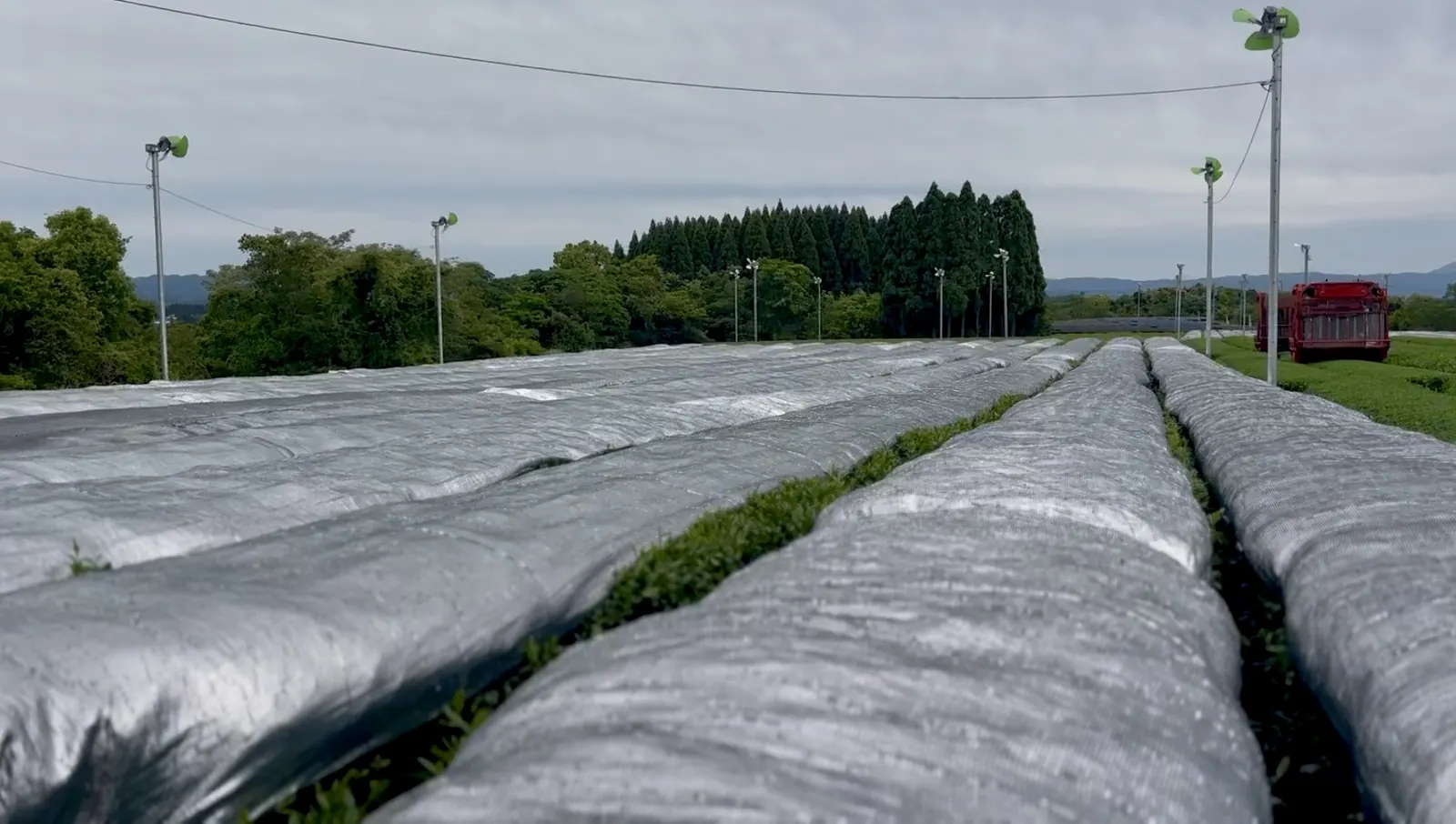
What JAS organic means, how it travels as USDA Organic, the 45% organic premium, and the five documents to demand from any supplier.

Caffeine vs coffee, the iron and liver myths, pregnancy limits, and how much is too much, answered so your baristas can serve with confidence.

Hojicha search is up 54.6%. How hojicha, genmaicha, and sencha fit your menu, and how to add them to one Japan-direct matcha order.
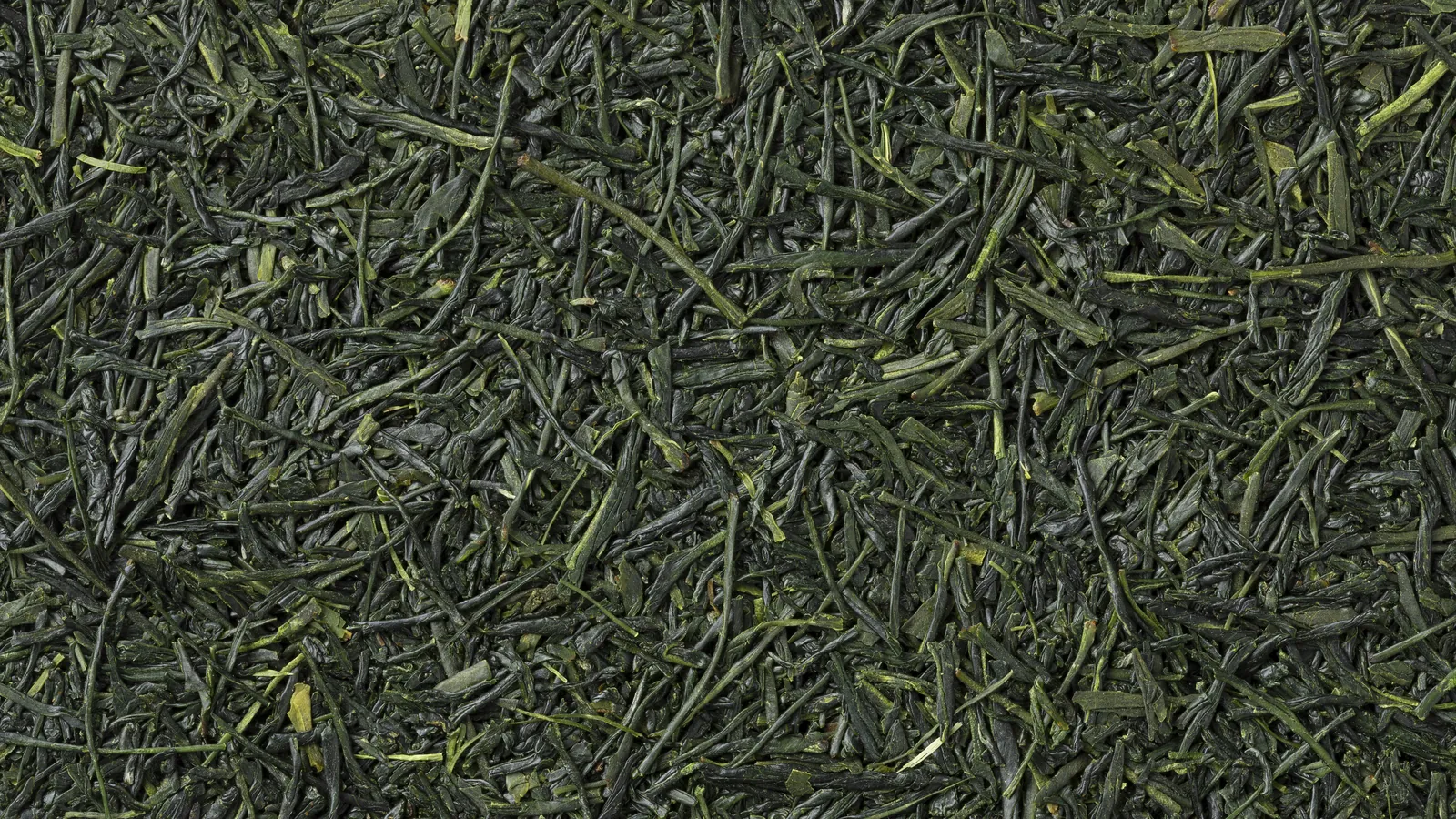
What Japan's new "Japanese Tea" GI protects, how it defines matcha, and what it means for cafes sourcing real Japanese matcha.
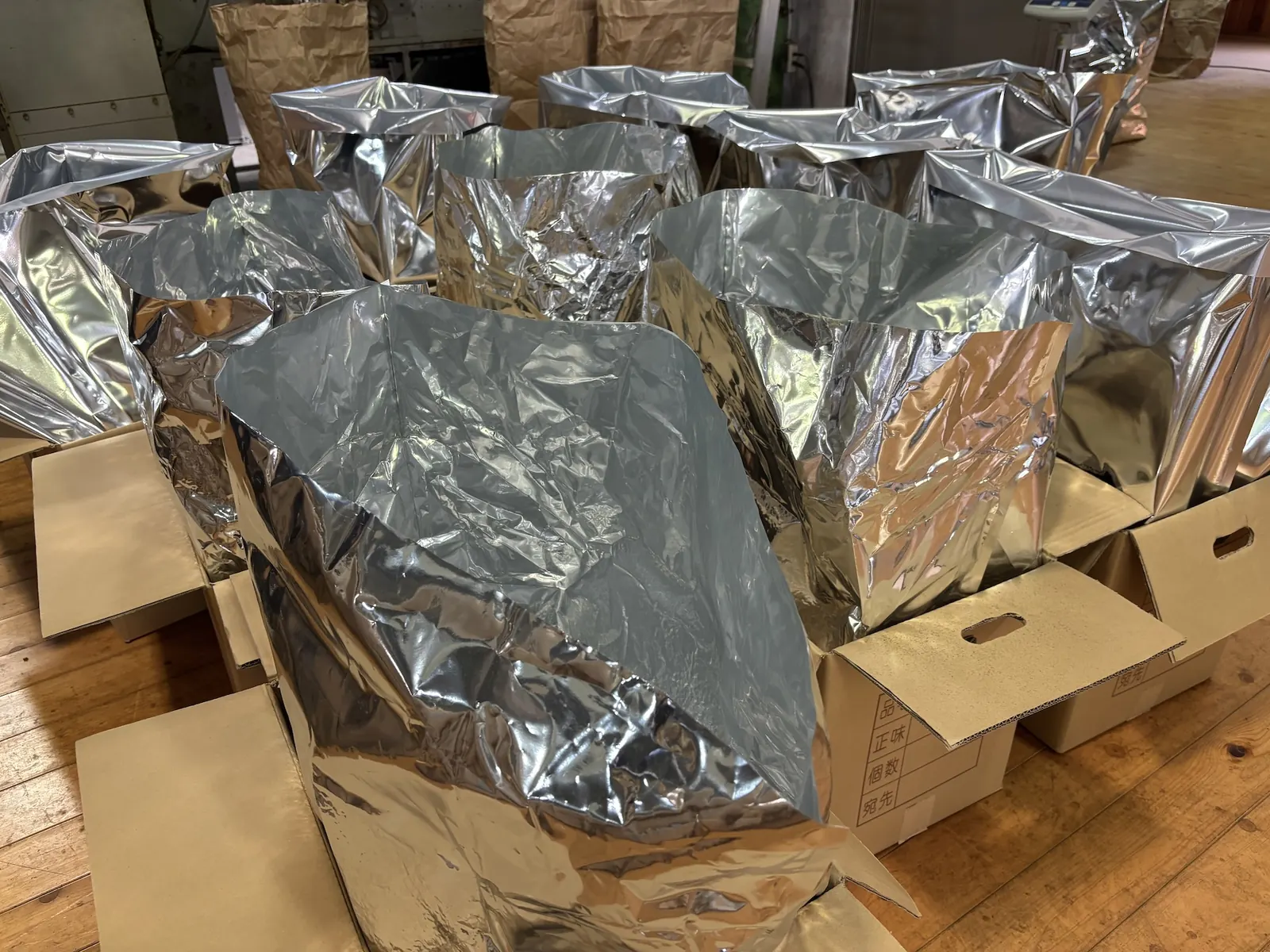
Ippodo paused new accounts and tencha prices doubled. Compare Aiya, Rishi, Jade Leaf, Kettl, and farm-direct options for your cafe.

Bitter, clumpy, or wasteful matcha lattes usually trace back to five fixable habits. Water temp, whisking, grade, dosing, and storage, explained.
The new Section 301 forced-labor tariff hits 60 economies, but green tea is on Customs' exclusion list, so your matcha is not charged. The proof, and what it means for cost.
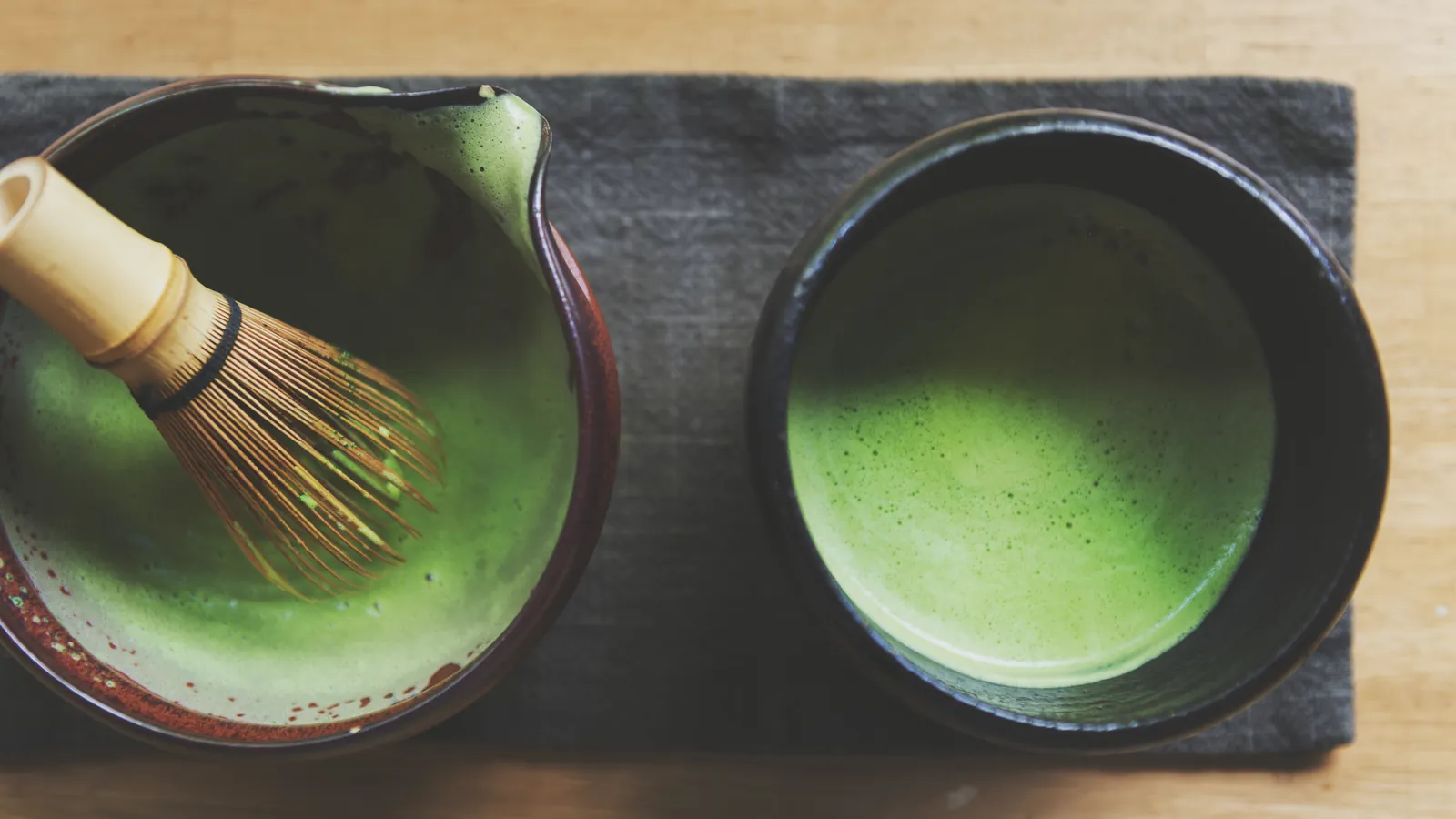
Same plant, different product. Matcha is shade-grown, tencha-processed and stone-milled; green tea powder is none of the three. What that difference does on the bar.

The three steps that define matcha: weeks under shade, leaf dried without rolling into tencha, then slow stone milling. Why the process sets the price and the supply.
What the L-theanine and caffeine research actually says, how much is in a serving, and how a cafe can market it honestly.
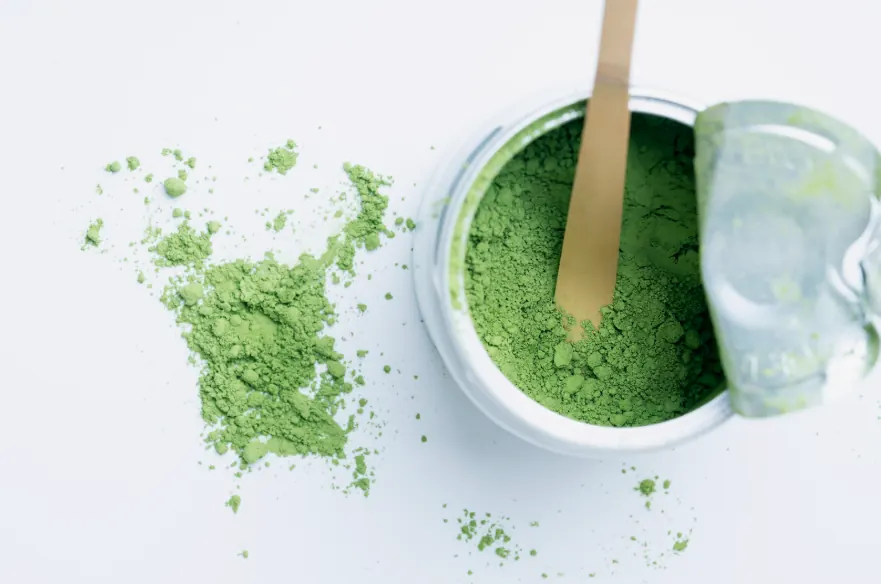
Japan's agriculture ministry warned the name may not stay freely usable abroad. Who actually decides, and what it means for cafe buyers.
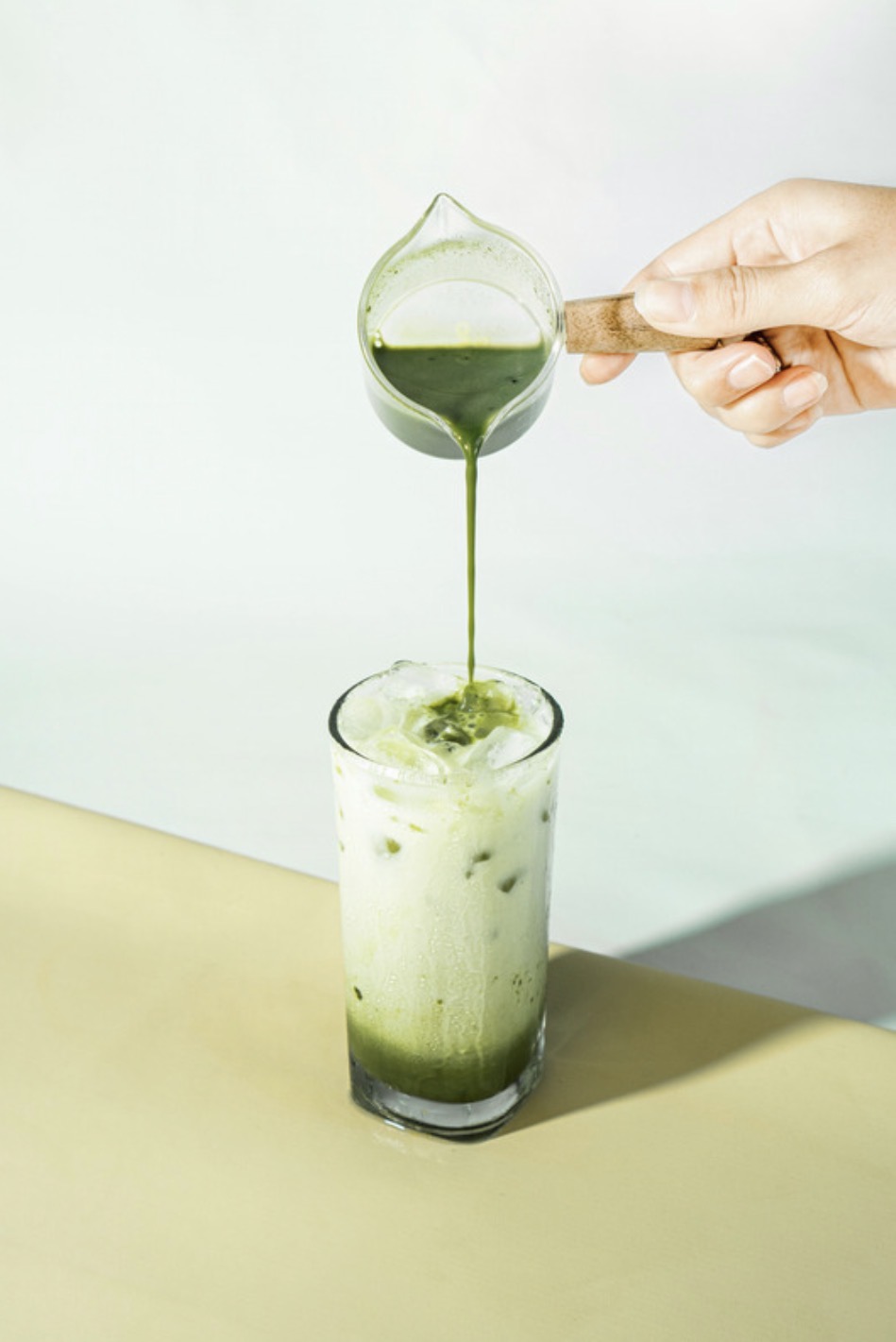
Batch at 1:12, hold below 41F, discard at 24 hours. Why the FDA 7-day limit is not your service standard, plus cost per drink.
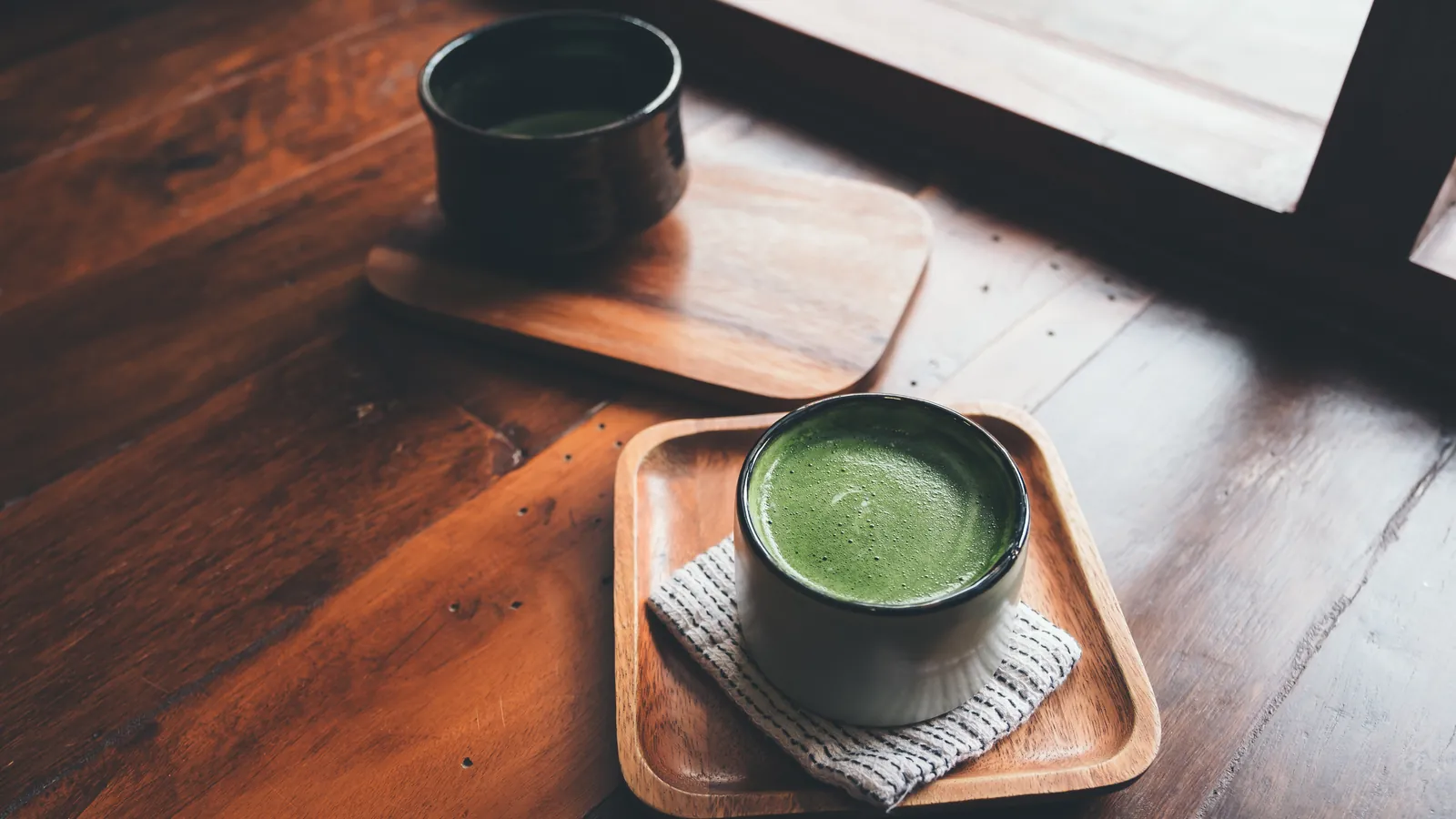
Starbucks put a pumpkin matcha on the fall menu. What to pour instead, which grade survives spice, why hojicha is cheaper, and when to order.
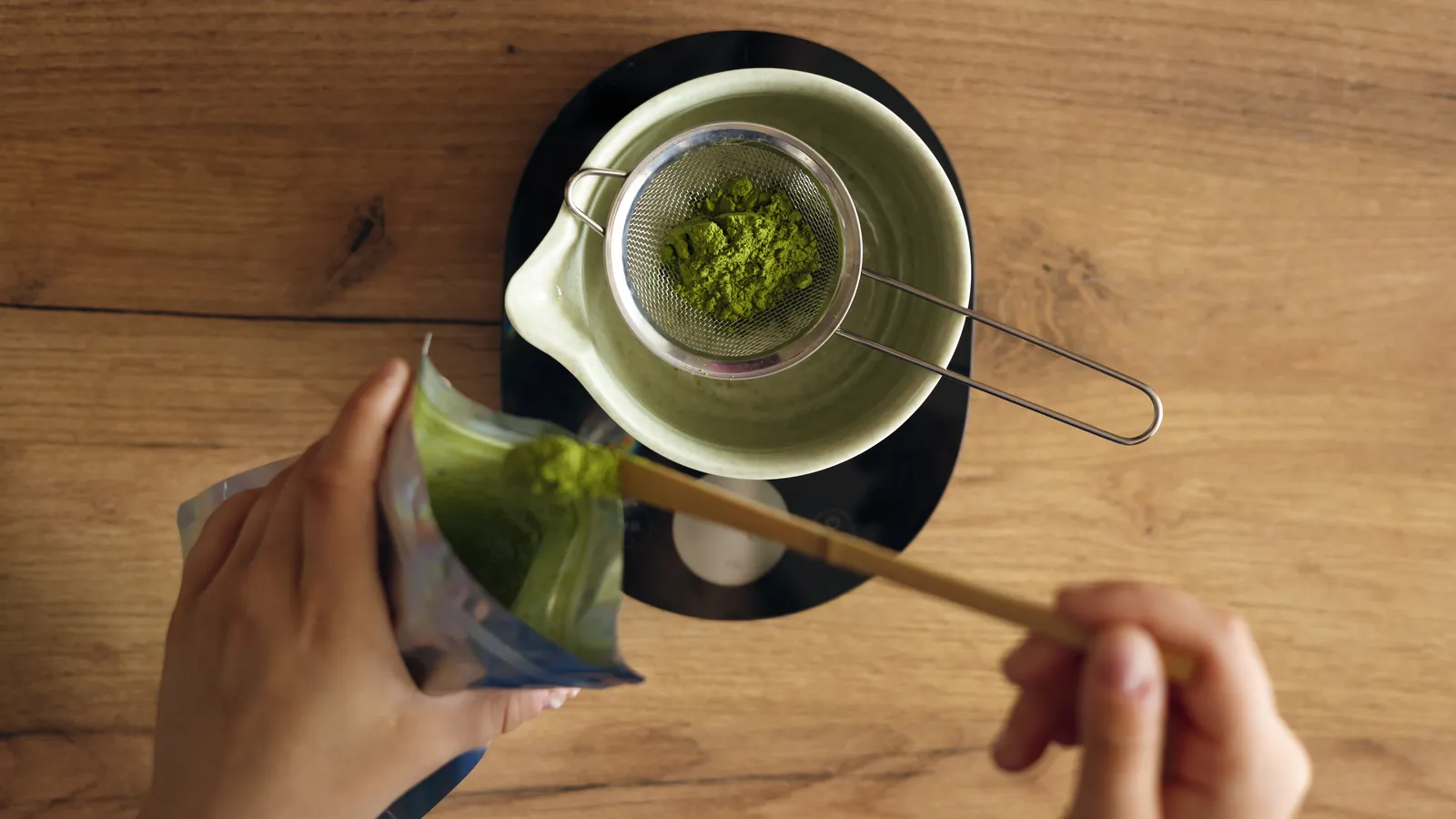
What to request, how to tie a sample to a real lot, which documents to ask for, and the red flags that should end a deal early.
Our monthly state-level panel of US matcha search demand: which states are growing, which wholesale signals are too thin to trust, and what it means for sourcing.
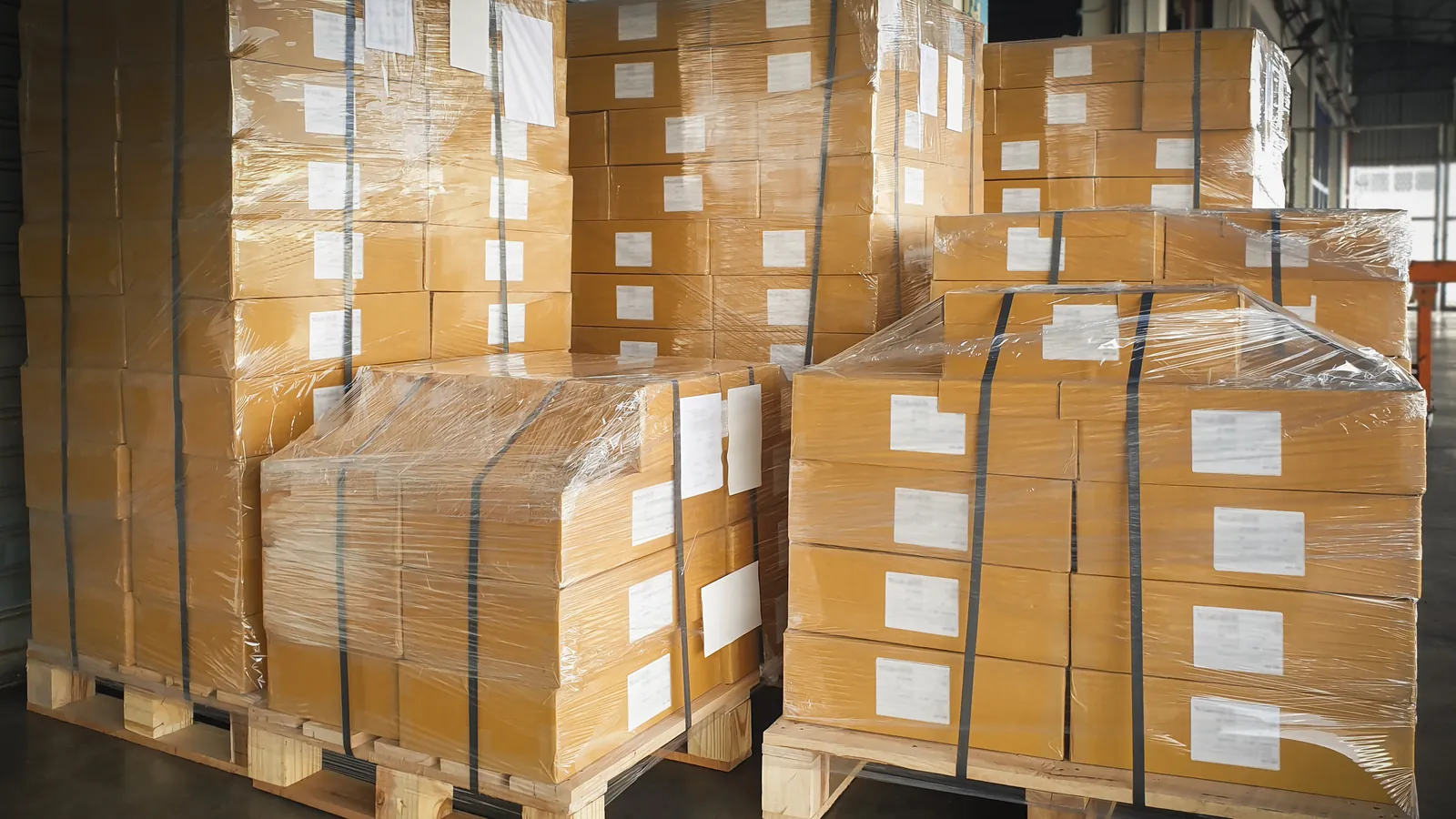
Japan's tea supply base is shrinking and its origins no longer move together. How to pick, qualify and run a backup supplier without the drink changing.

Cost per gram, per drink, hot against iced, milk, packaging, waste, and what a price move does to one cup.
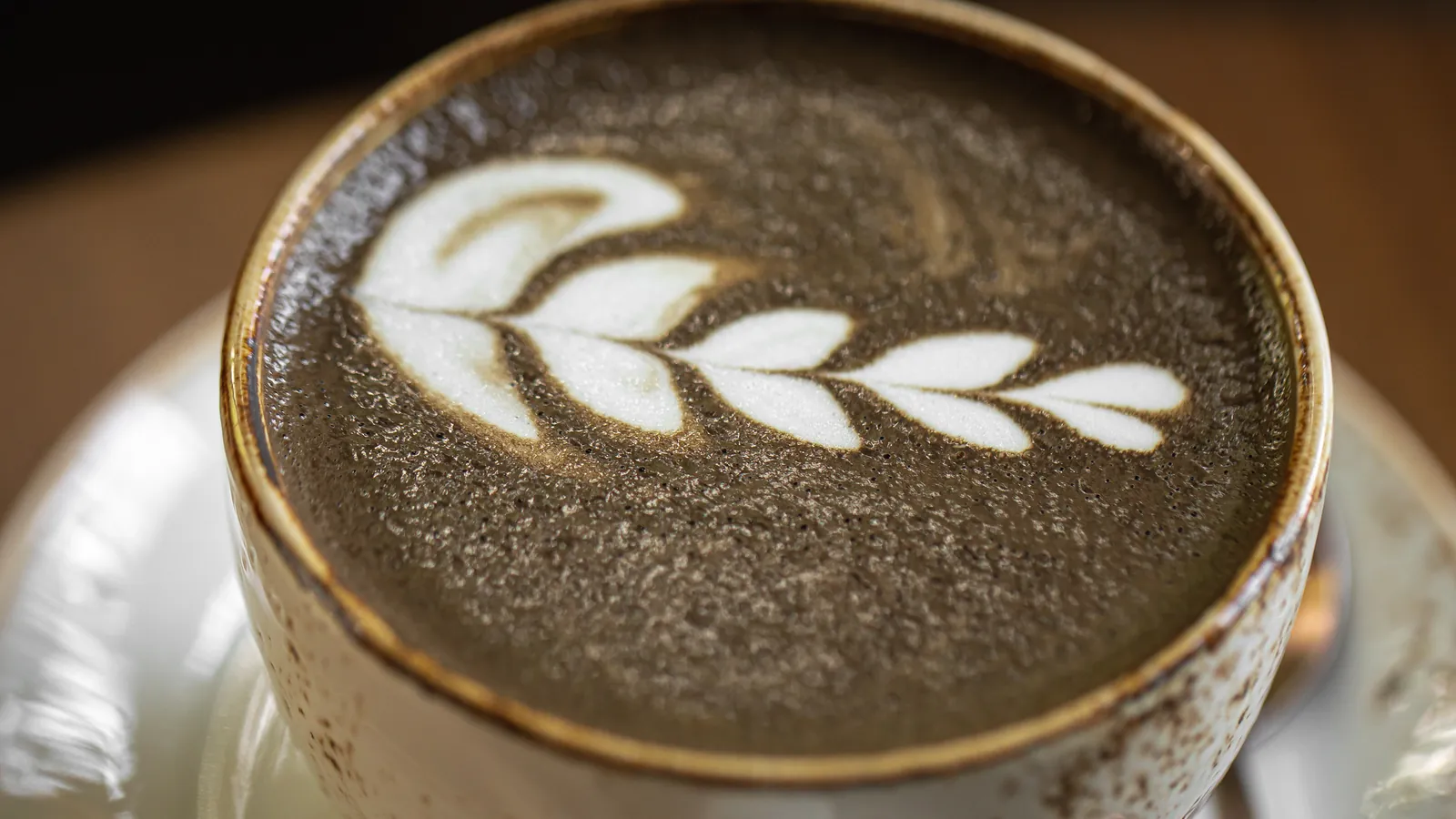
Powder against brewed concentrate, ratios, the real caffeine figure, cost per drink, and what happened to the leaf behind it.
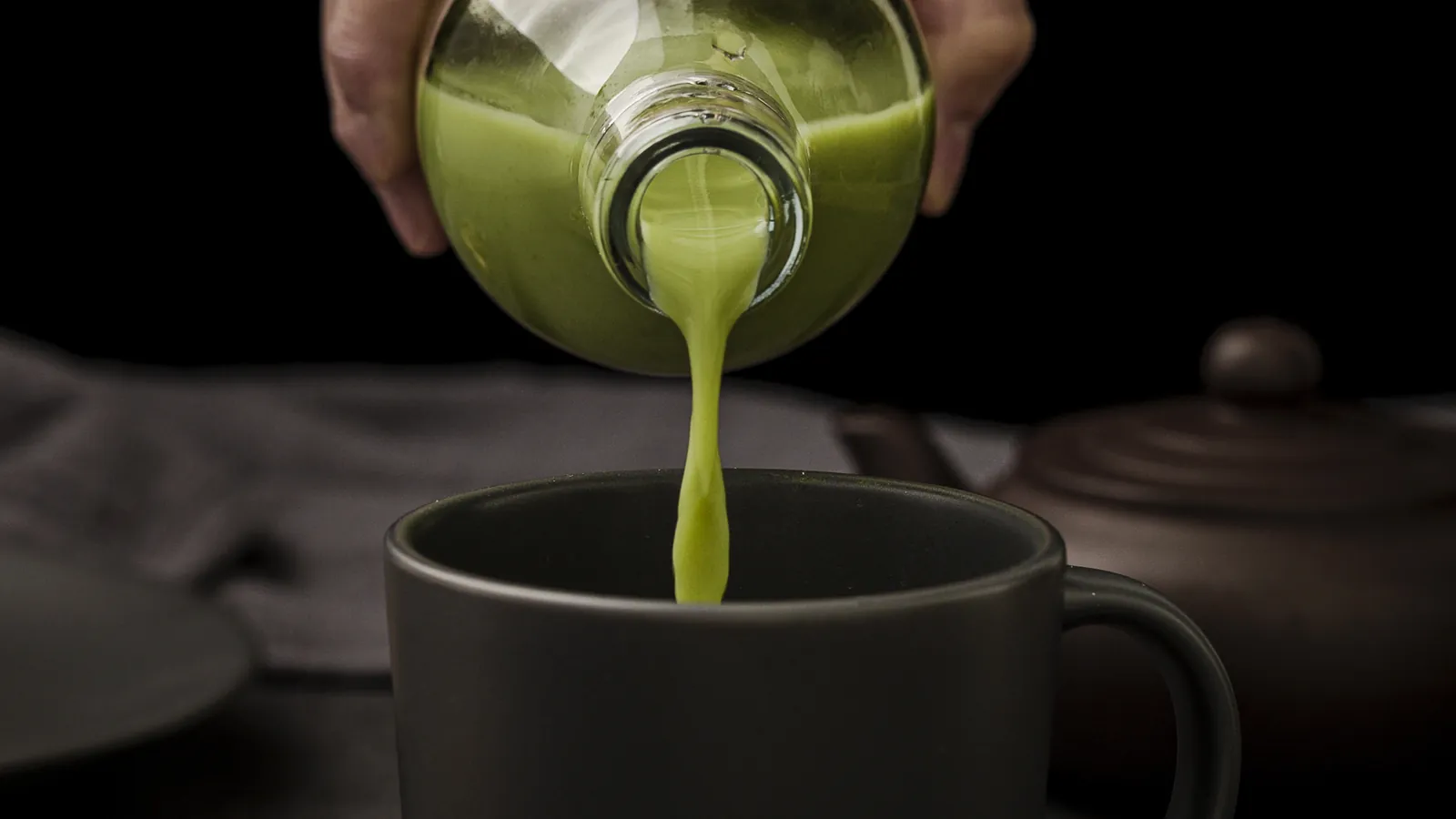
Matcha caffeine by dose, grade and drink, from Japan's composition tables and peer-reviewed labs. What to plan on, and what you can print on a menu.
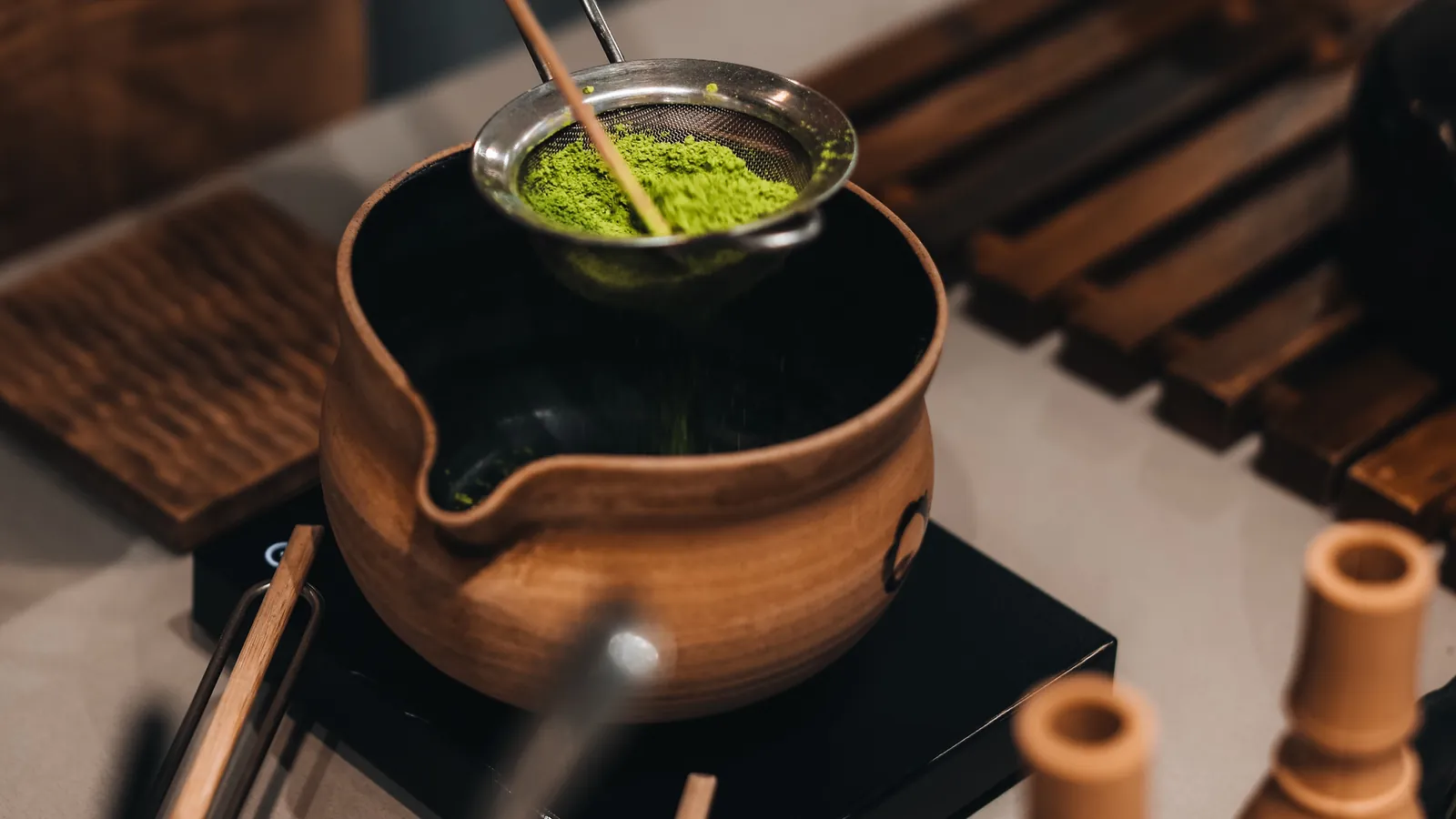
Matcha terms from the price list, spec sheet and shipping slip, defined from Japan's own labeling standard, plus the words no standard defines.
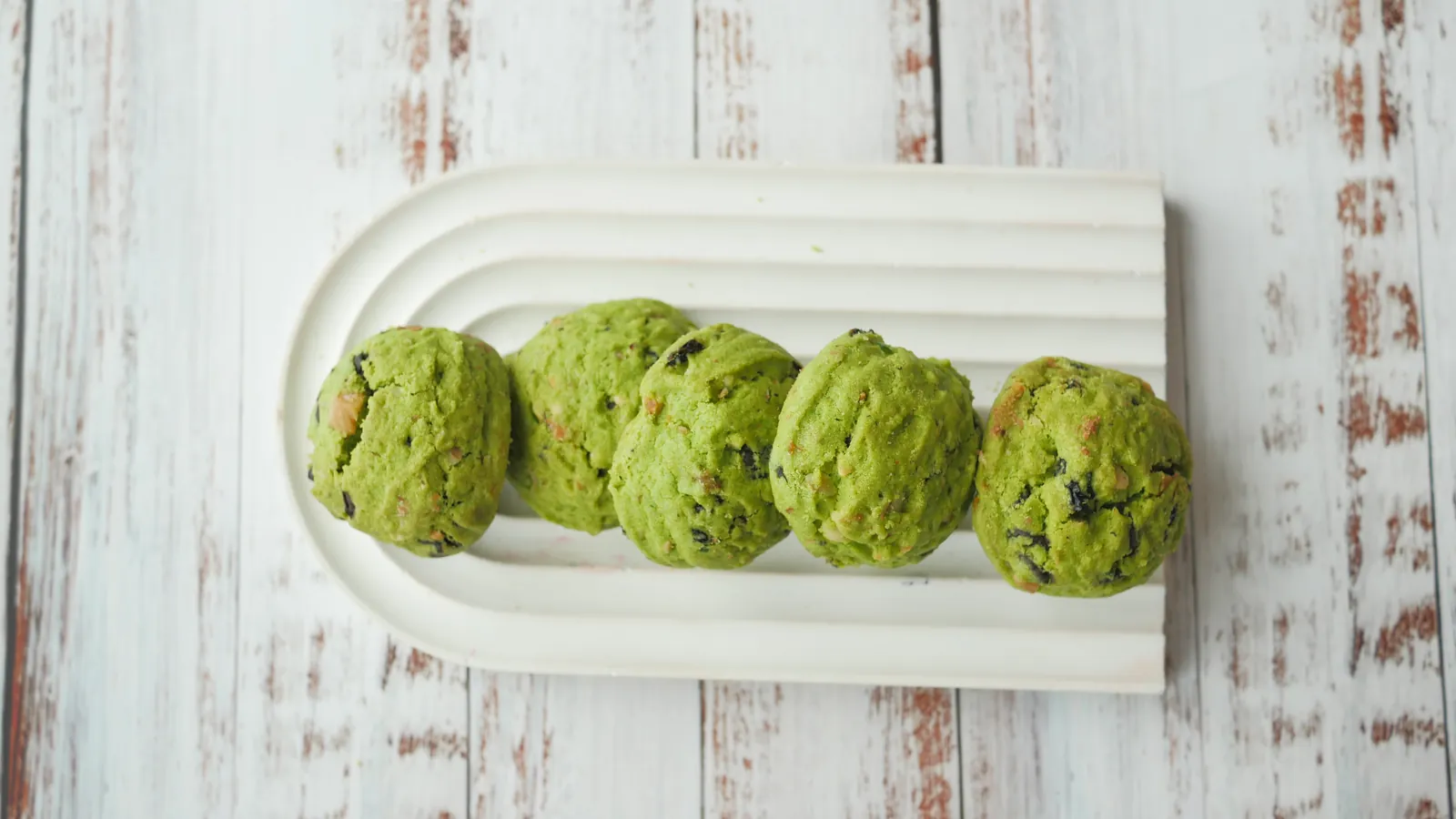
What culinary grade really means, how much matcha belongs in a batch, what the oven takes out of it, and what it costs per item.
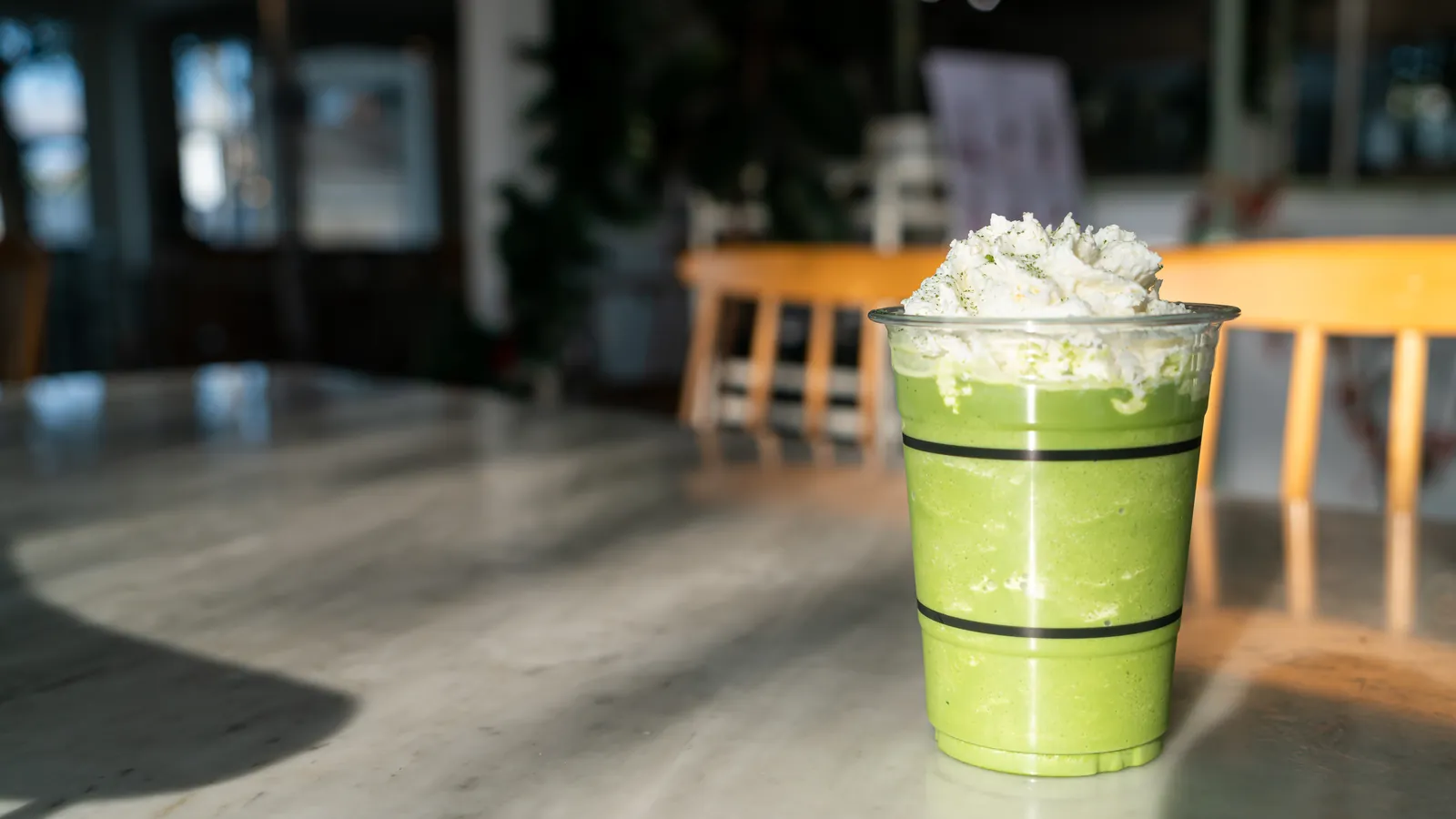
The dose, the milk, and the margin on a second matcha item that runs off the tin your bar already stocks. No new SKU required.
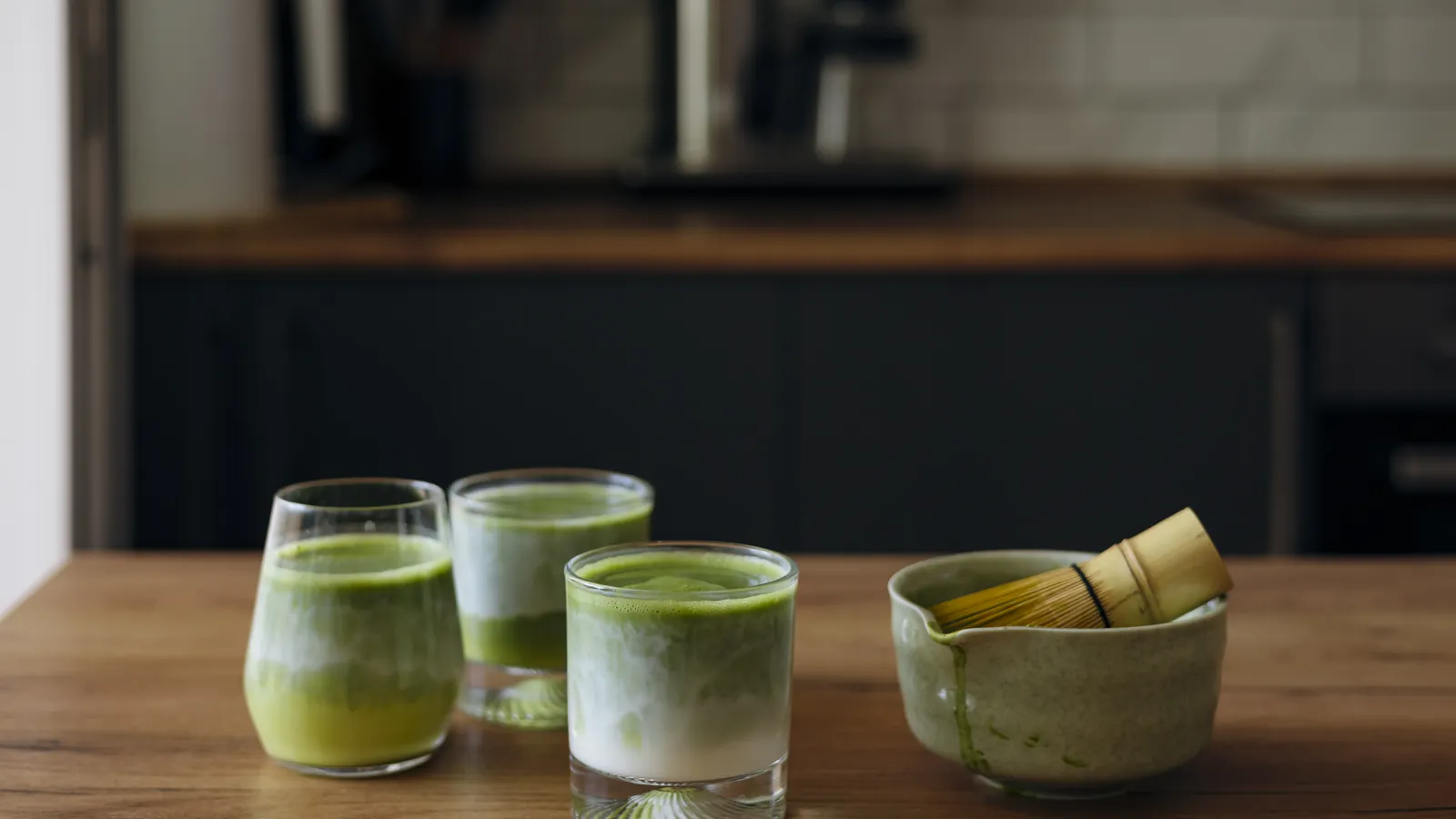
A 12-month matcha menu calendar tied to Japan's real tea harvest and seasonal flavor trends, with a planning lead-time guide.
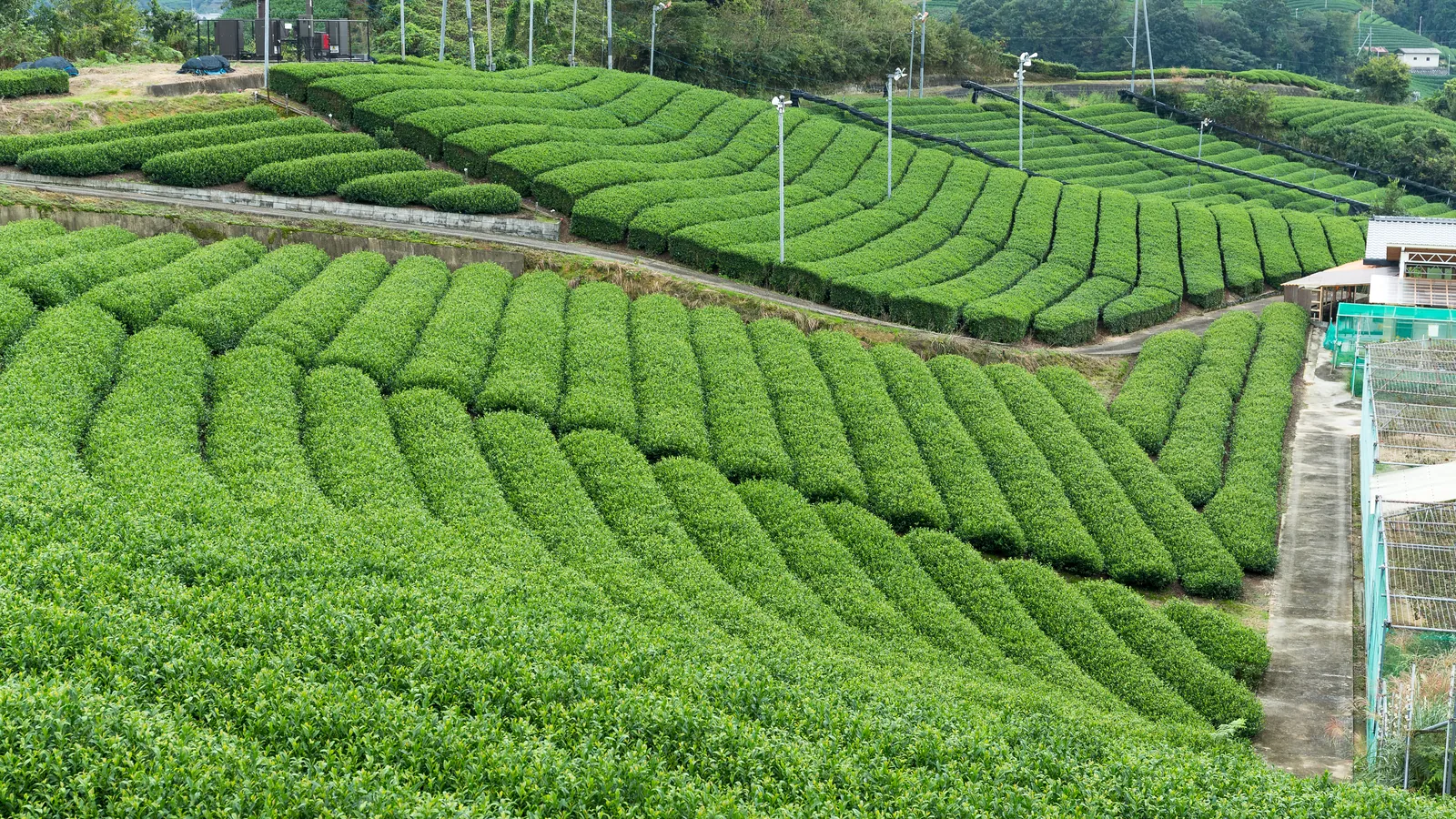
Uji matcha is a four-prefecture trade designation, not a farm address. Where the leaf really grows, why matcha is never rolled, and what tencha now costs.
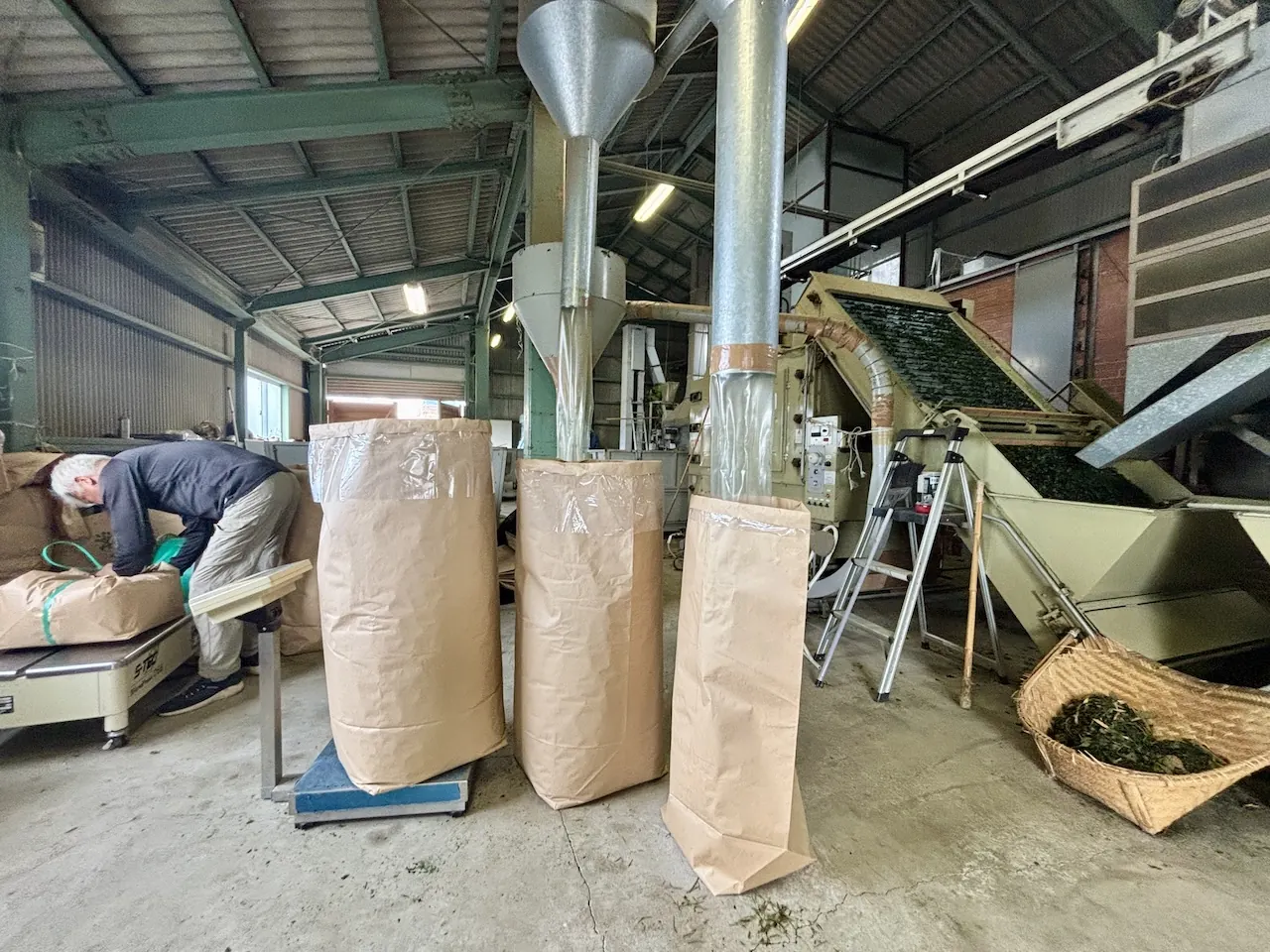
The 2026 tencha prints from the primary records: Kagoshima 19,095 yen/kg in May, 8,738 in July, Uji 14,127. Plus the landed-cost math for US cafes.
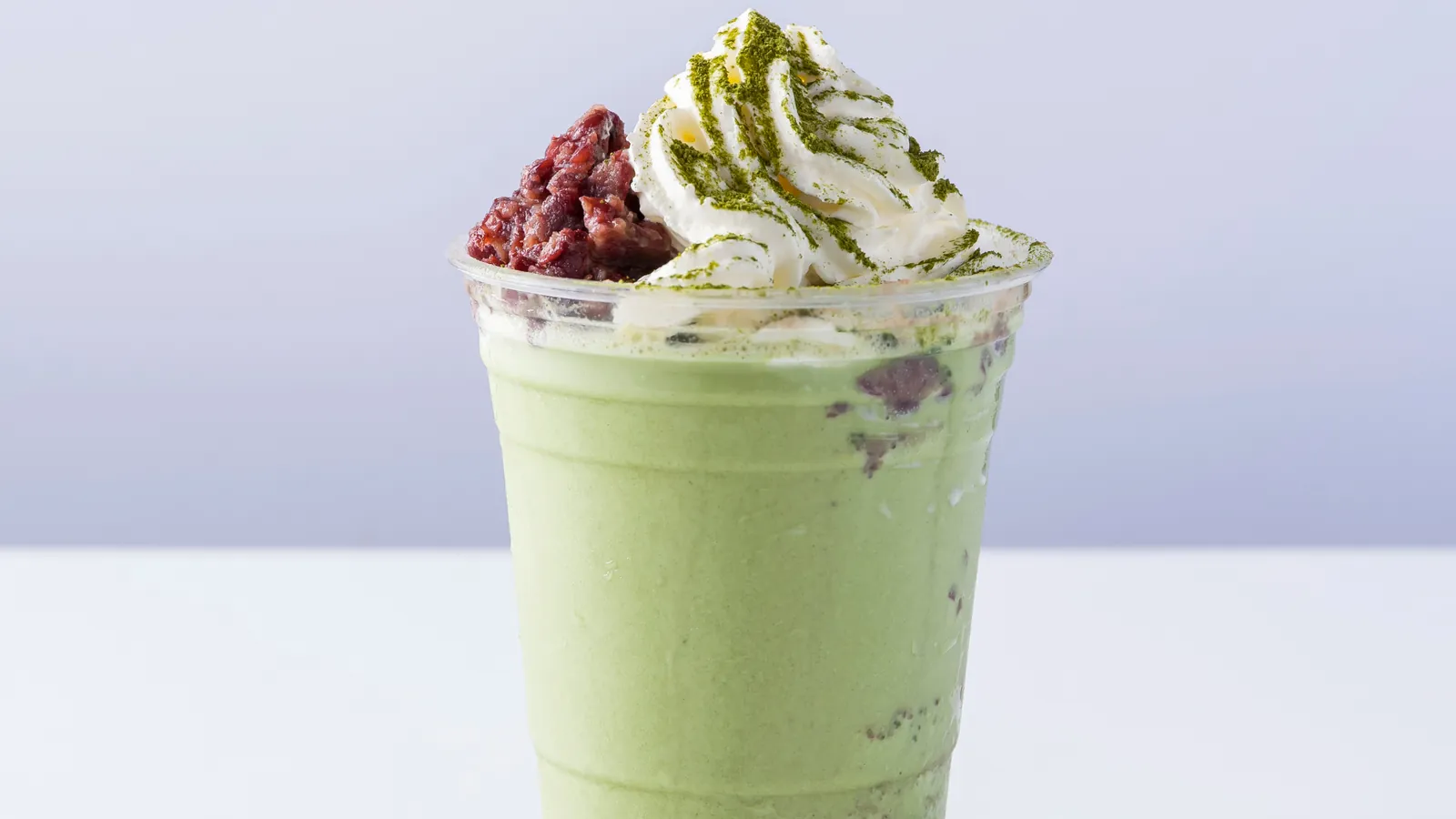
A blended matcha needs 4.5g, not 3.0g. Why cold hides the matcha you paid for, the right ice ratio, and the 13 to 18 Brix window for slush machines.
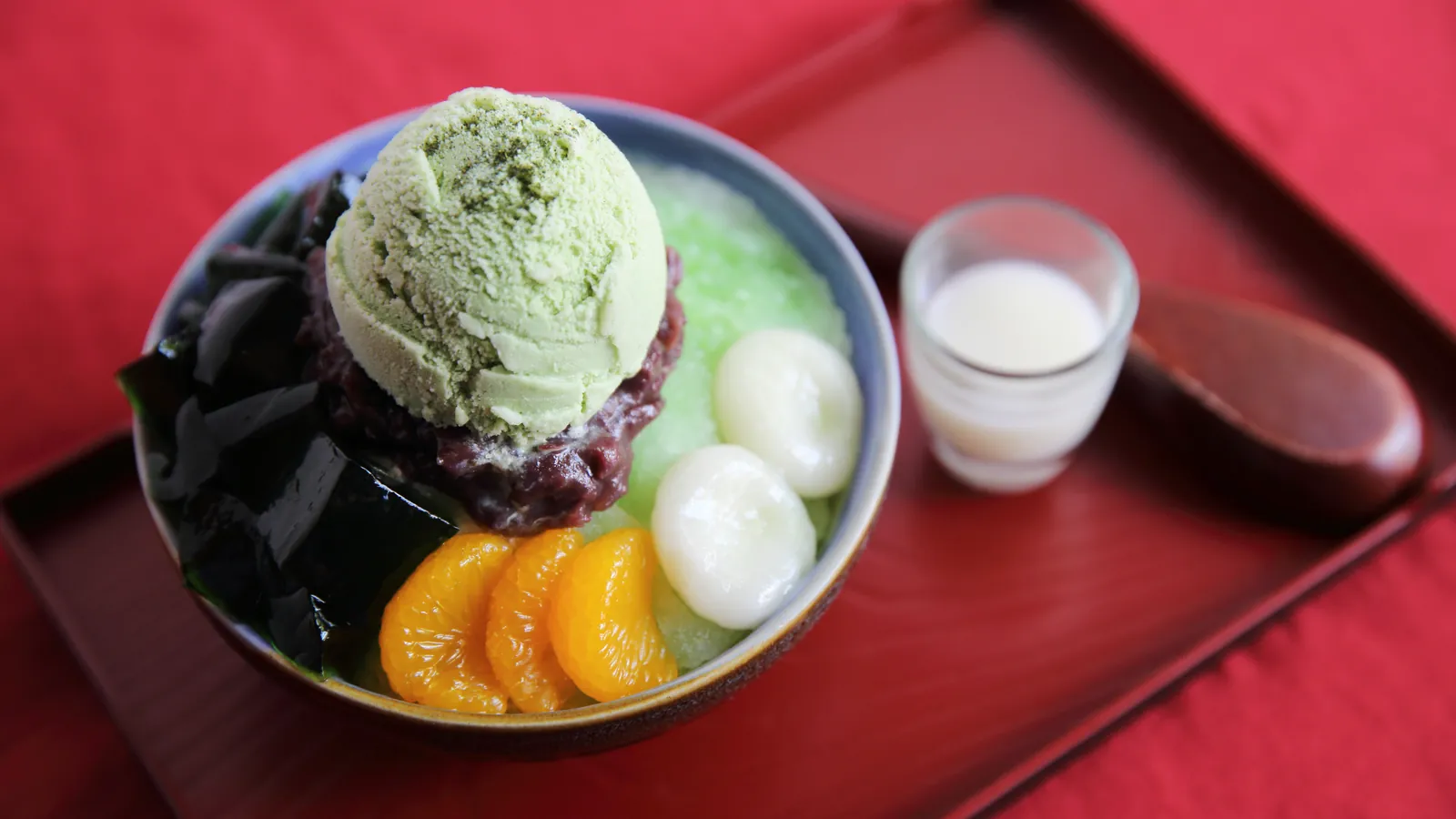
Kakigori is not a snow cone. Use pure ice, shave it at about -5C not -18C, and whisk the matcha syrup. The cafe spec, the Uji-kintoki build, and the cost.
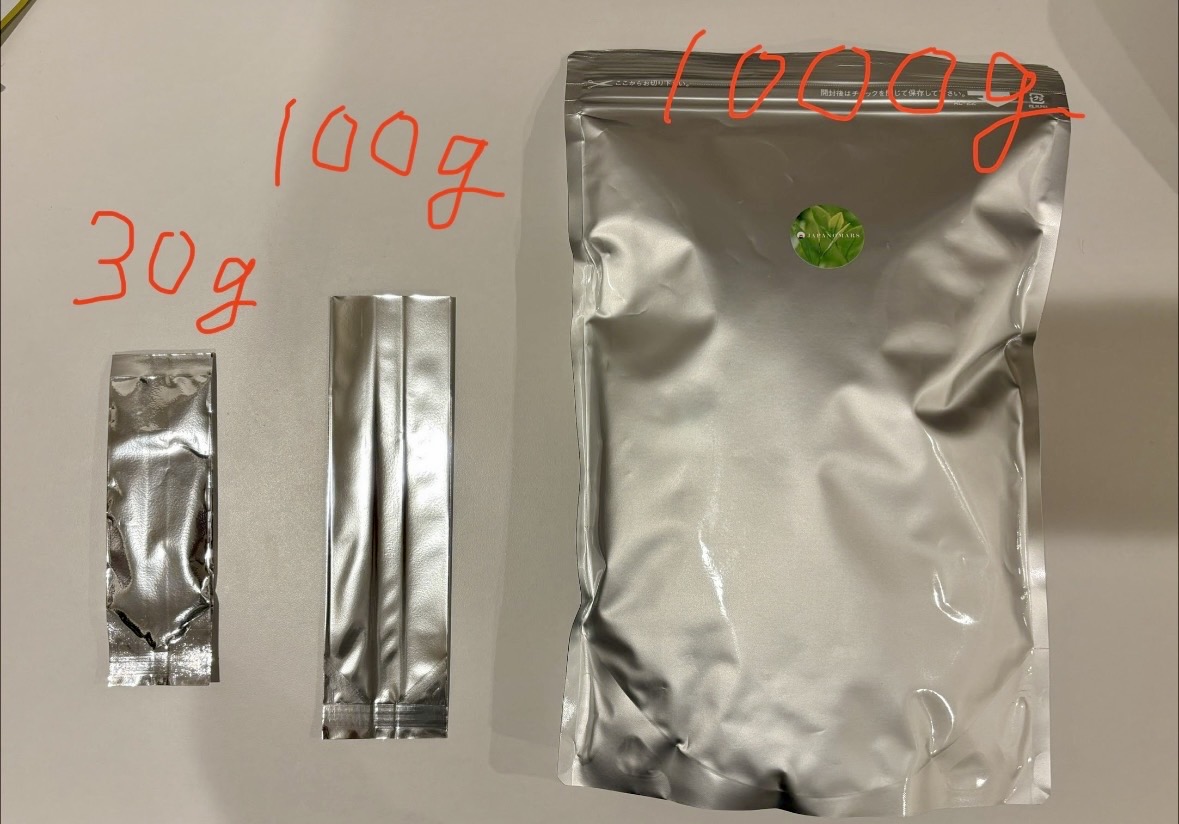
What to budget for wholesale matcha: landed cost, MOQ negotiation, lead times, payment terms, and a quarterly budget template.
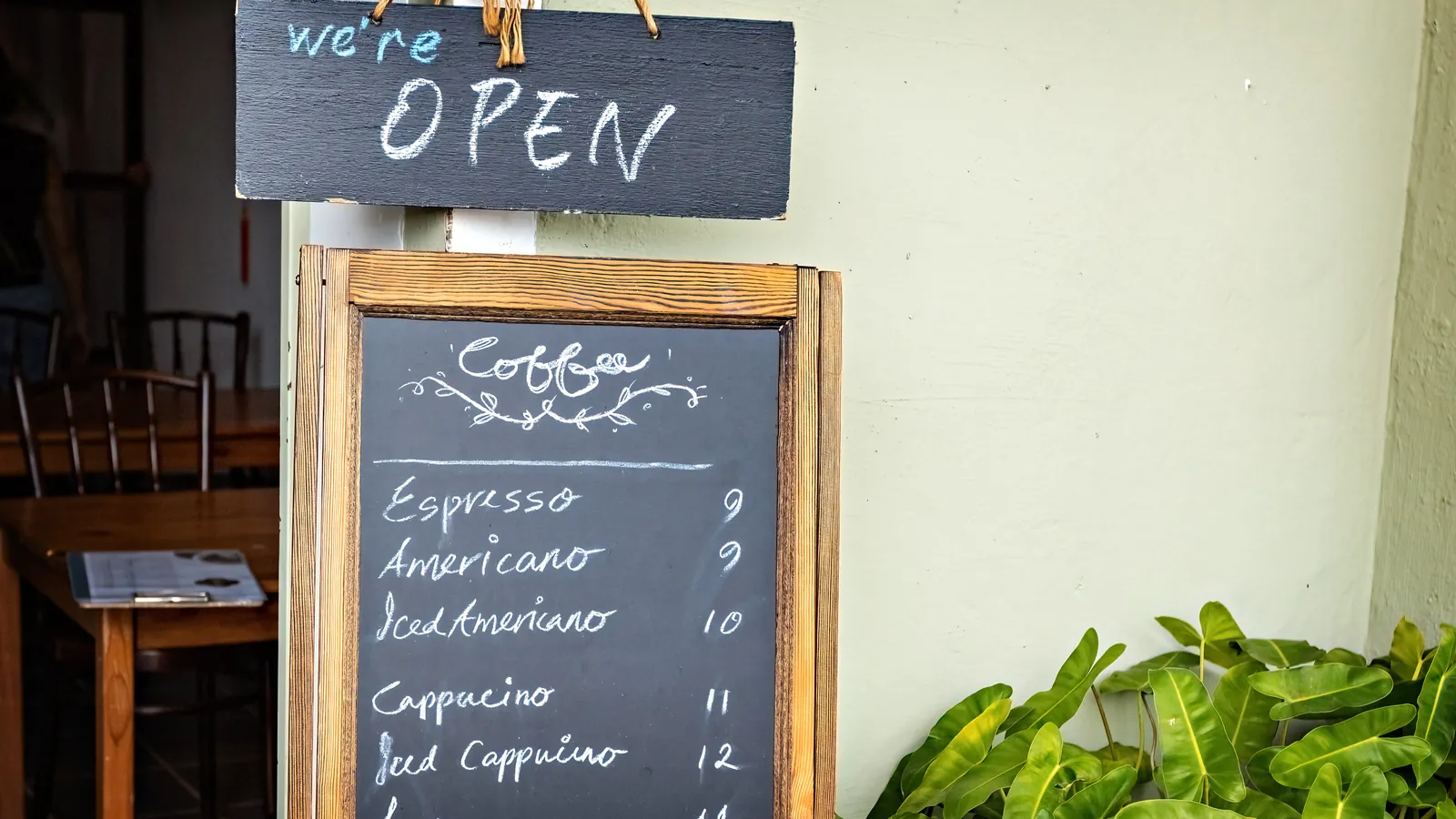
The real cost-per-cup math for matcha lattes: what matcha costs per drink, margin vs espresso, and what to charge by market tier in 2026.
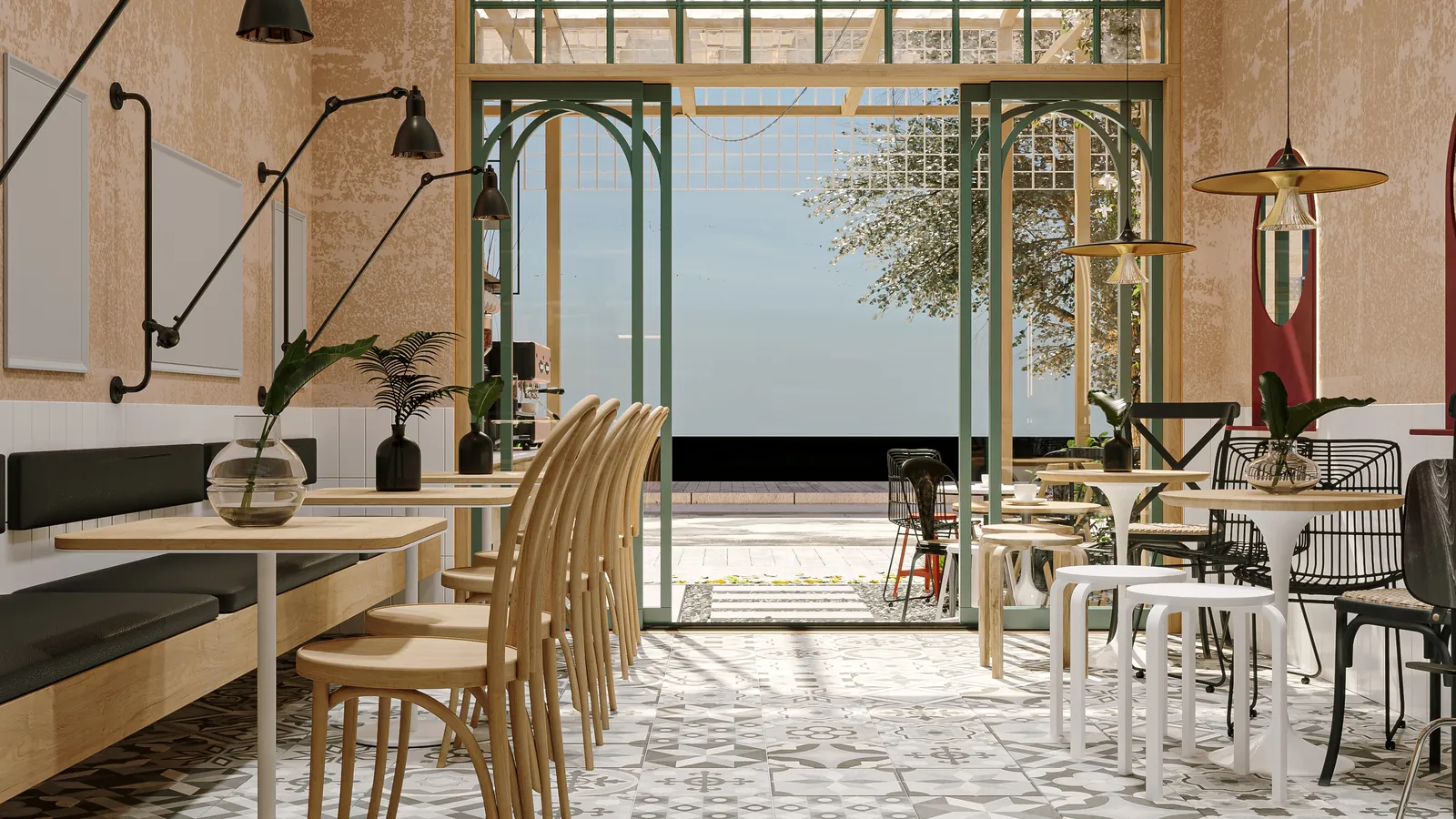
Why the afternoon is a cafe's biggest revenue gap, and how matcha fills it without new equipment.

How to read a supplier's Certificate of Analysis: what it should include, heavy metal results, lab methods, and radiation testing in 2026.
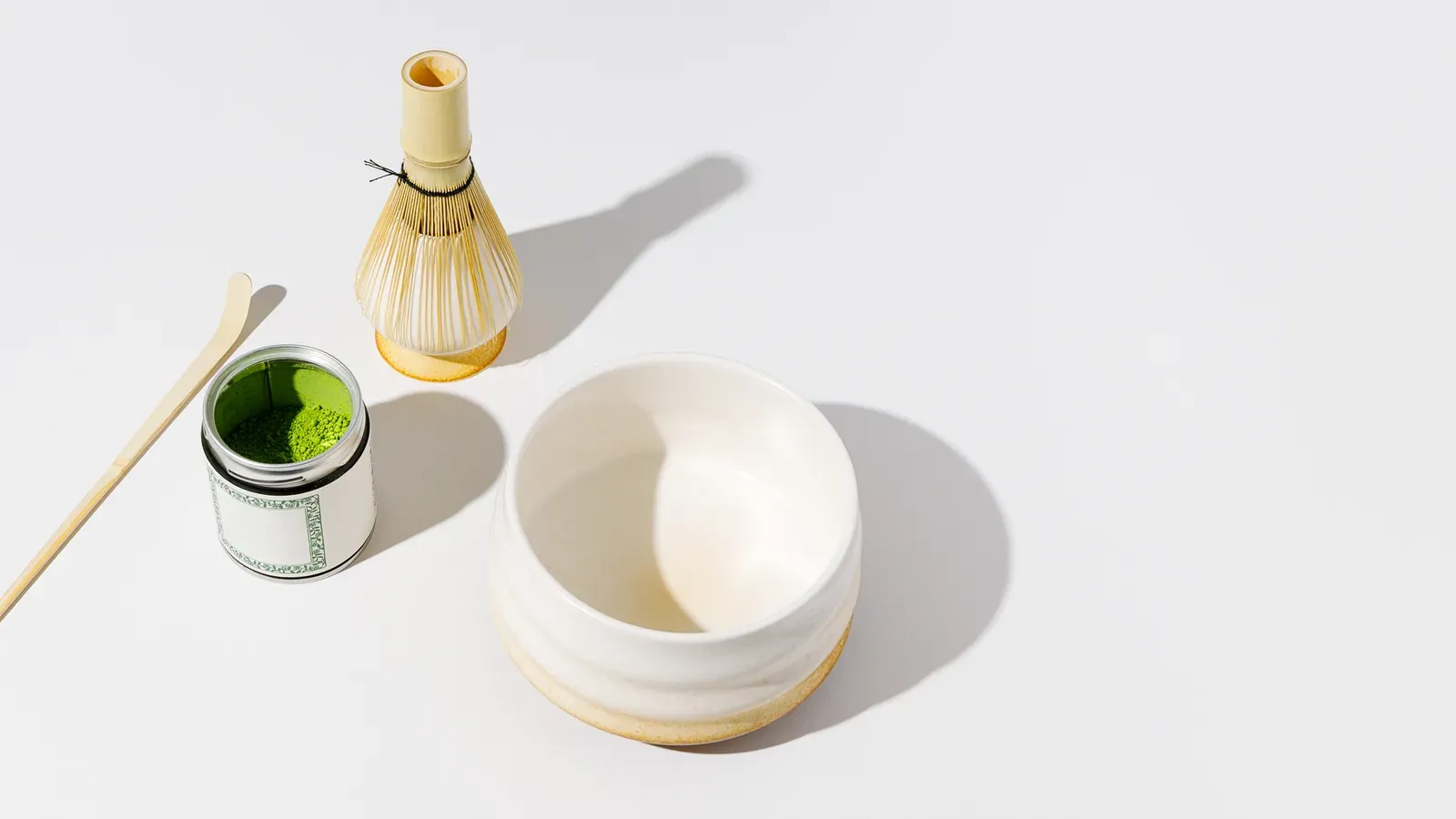
Five steps a cafe buyer can run in 15 minutes: dry check, whisk test, straight taste, milk test, and iced test.
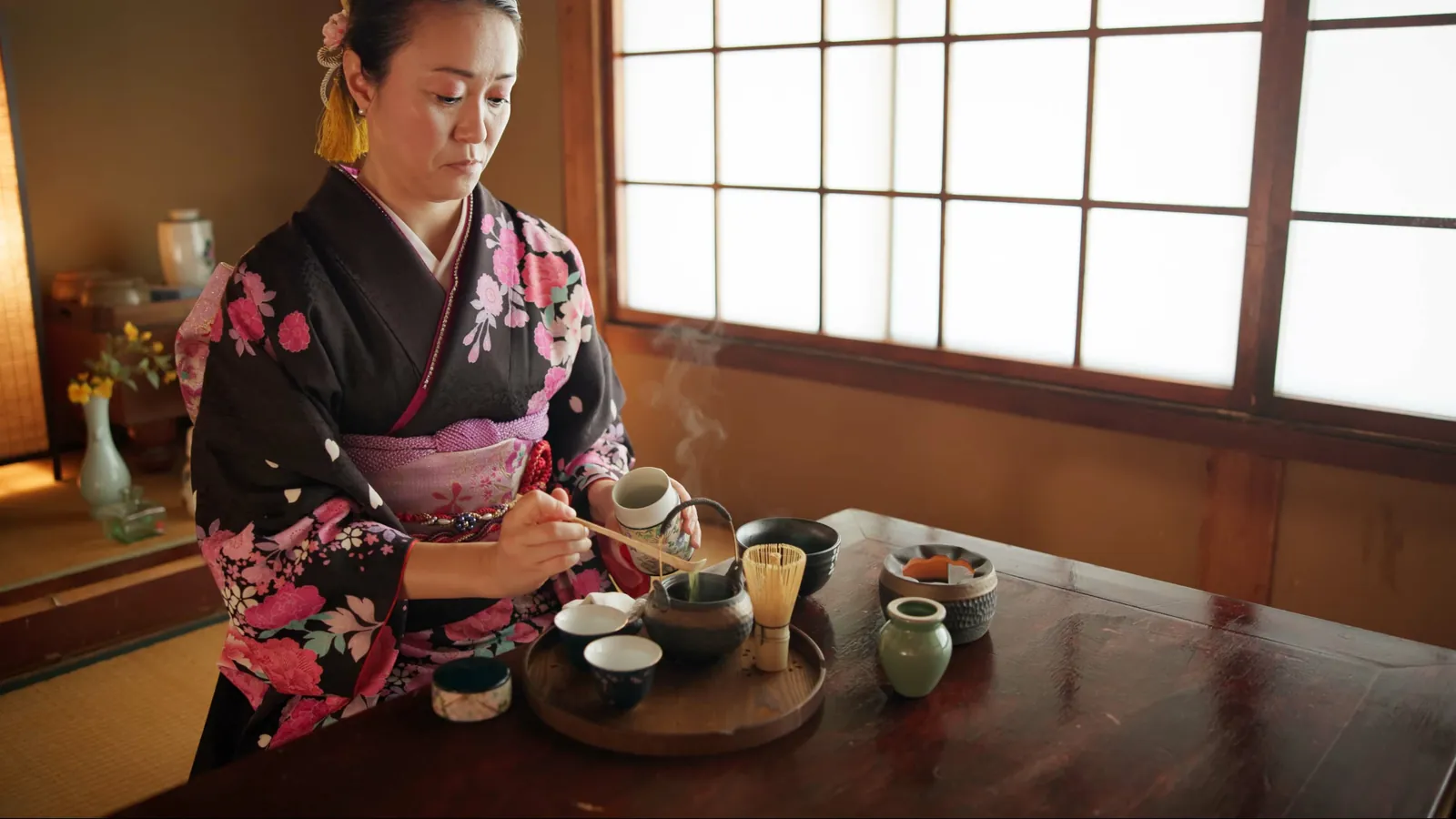
From Tang China to Japan's tea ceremony to a global craze: the real 1,200-year history of matcha, and why it still matters for what you buy.
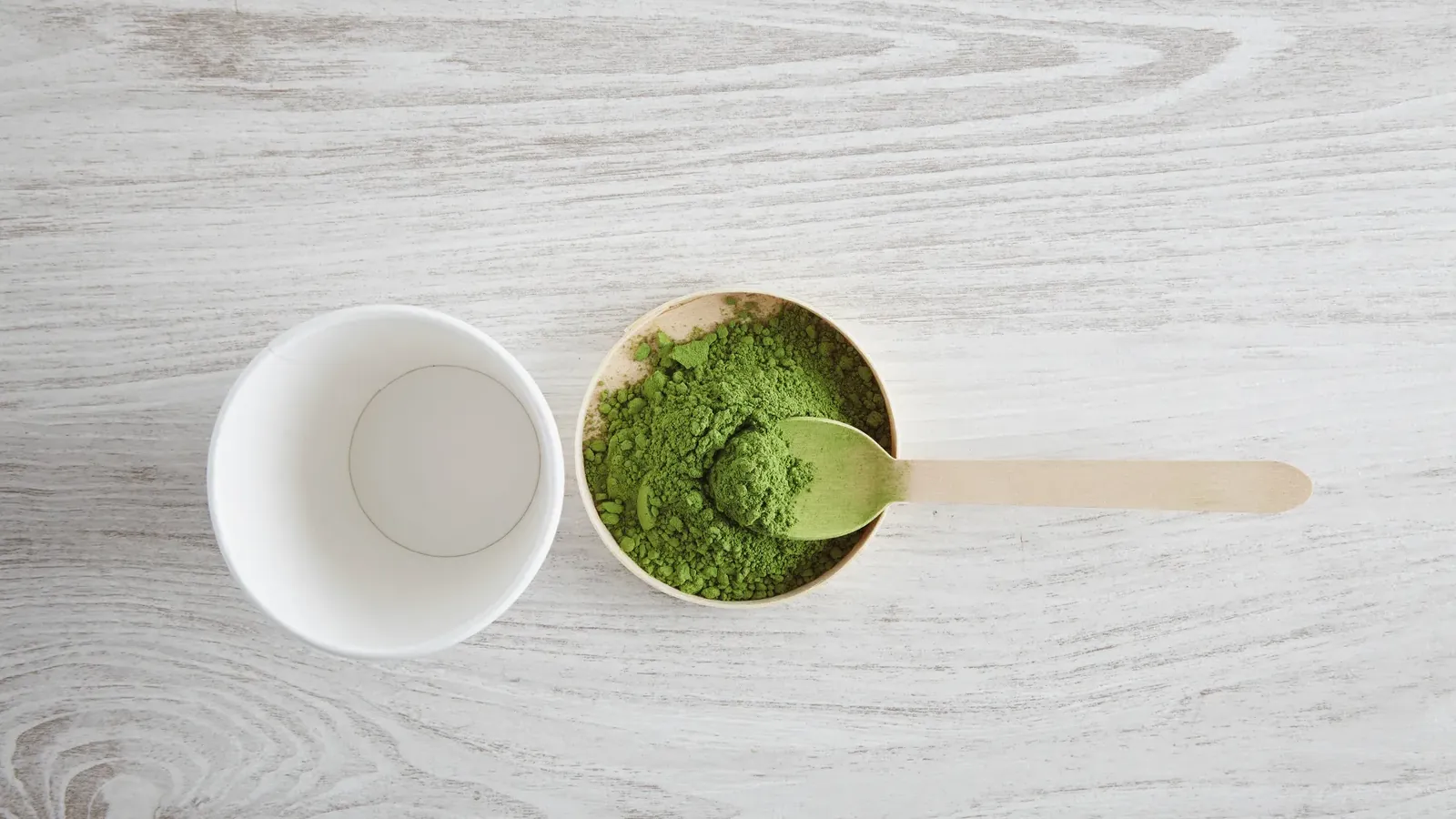
Grams of matcha per drink for every build on a cafe menu, and the kilograms per month that follow from them.
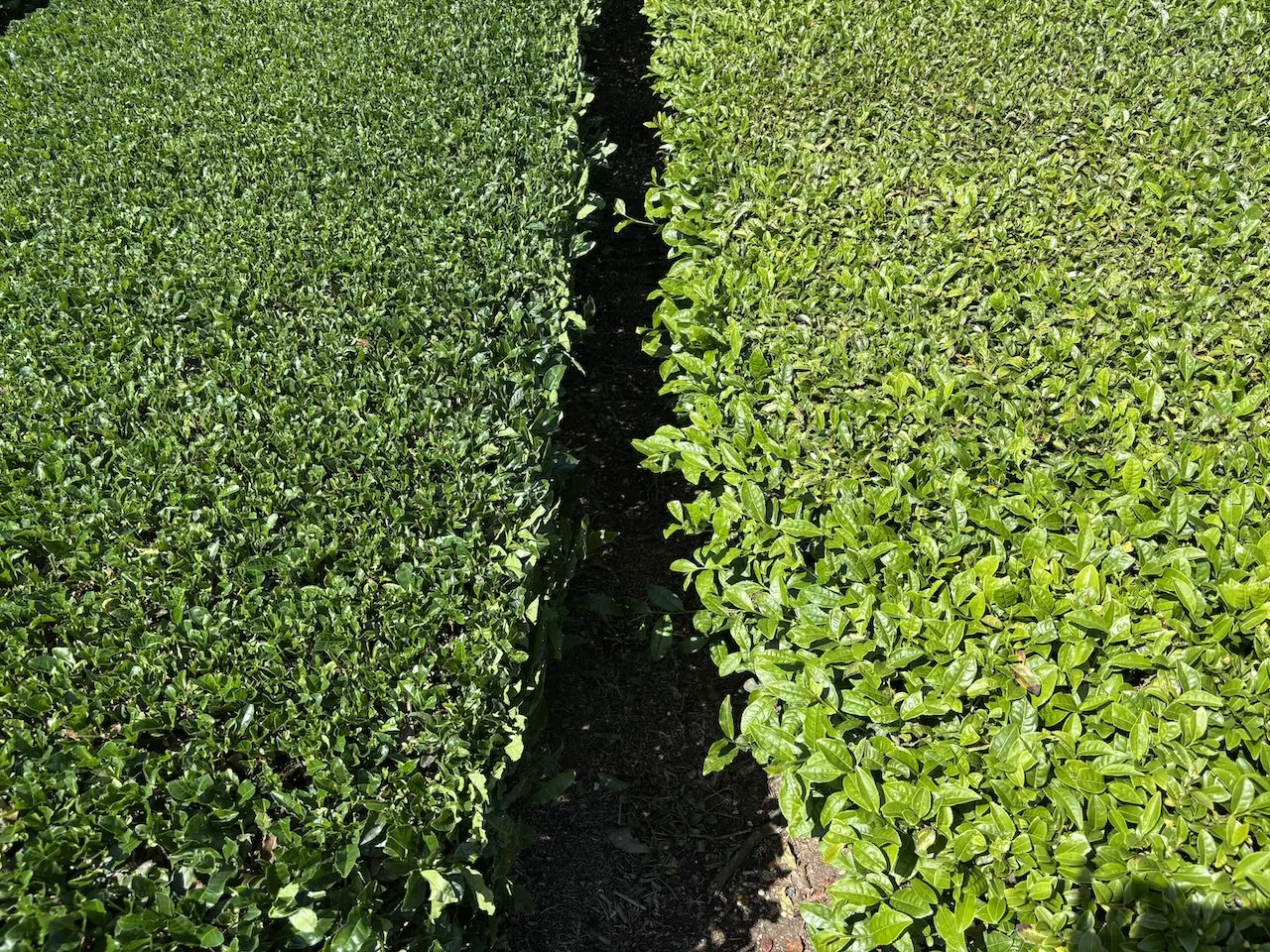
Your questions set the agenda for our next guide. Tell us what to cover.
%E7%99%BD_%E5%A4%A7%E3%81%8D%E3%81%84.png)