%E5%A4%A7%E3%81%8D%E3%81%84.png)
Cafe Menu · 2026

Hojicha is the roasted Japanese green tea that behaves like matcha's low-caffeine cousin: nutty, caramel-toned, and built for lattes, and it is the fastest-rising tea on US cafe menus right now. Beyond it sit genmaicha and sencha, two more Japanese teas that round out a menu matcha cannot cover alone. This guide is for cafe owners deciding which Japanese teas to add after matcha, how they differ, and how to source them without adding a second supplier.
Key takeaways
In this guide
Hojicha is Japanese green tea (usually sencha, bancha, or kukicha stems) that has been roasted over high heat, which turns the leaf reddish-brown and swaps grassy notes for a warm, nutty, almost caramel flavor. The roasting also burns off most of the caffeine, making it the calmest tea in the Japanese lineup. That combination, comforting flavor plus very low caffeine, is exactly what the 2026 market is chasing.
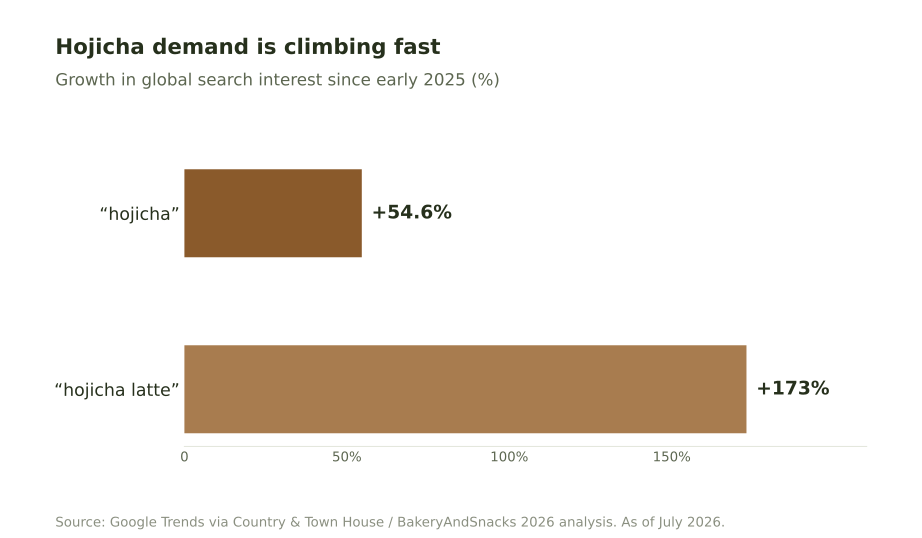
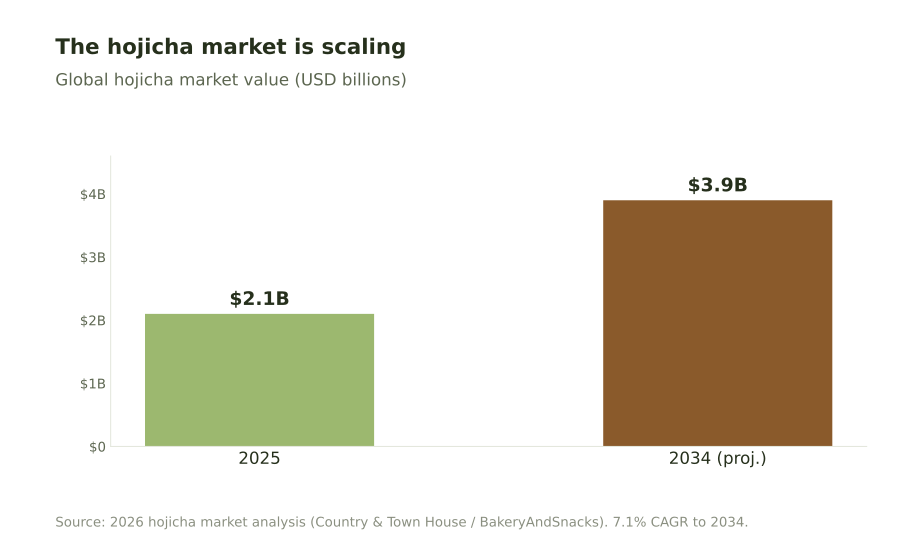
The numbers are striking. Global search interest in "hojicha" is up 54.6% since early 2025, and searches for "hojicha latte" have soared 173%, according to a 2026 trend analysis reported by Country & Town House and BakeryAndSnacks. The global hojicha market is valued around $2.1 billion and projected to reach $3.9 billion by 2034, with North America and Europe driving the growth. For an operator, hojicha is not a gamble on a fad; it is meeting demand that customers are already searching for.
They are made from the same plant but processed in opposite directions, so they play different roles on your menu. Matcha is shade-grown, unroasted, and milled from tencha into a vivid green powder that is vegetal, umami-rich, and relatively high in caffeine. Hojicha is roasted, which makes it brown, nutty, sweet, and very low in caffeine. One is your bright, energizing morning pour; the other is your cozy, all-day and evening option.
The practical implications for a cafe:
Hojicha does not replace matcha; it captures the customers and the hours matcha leaves on the table.
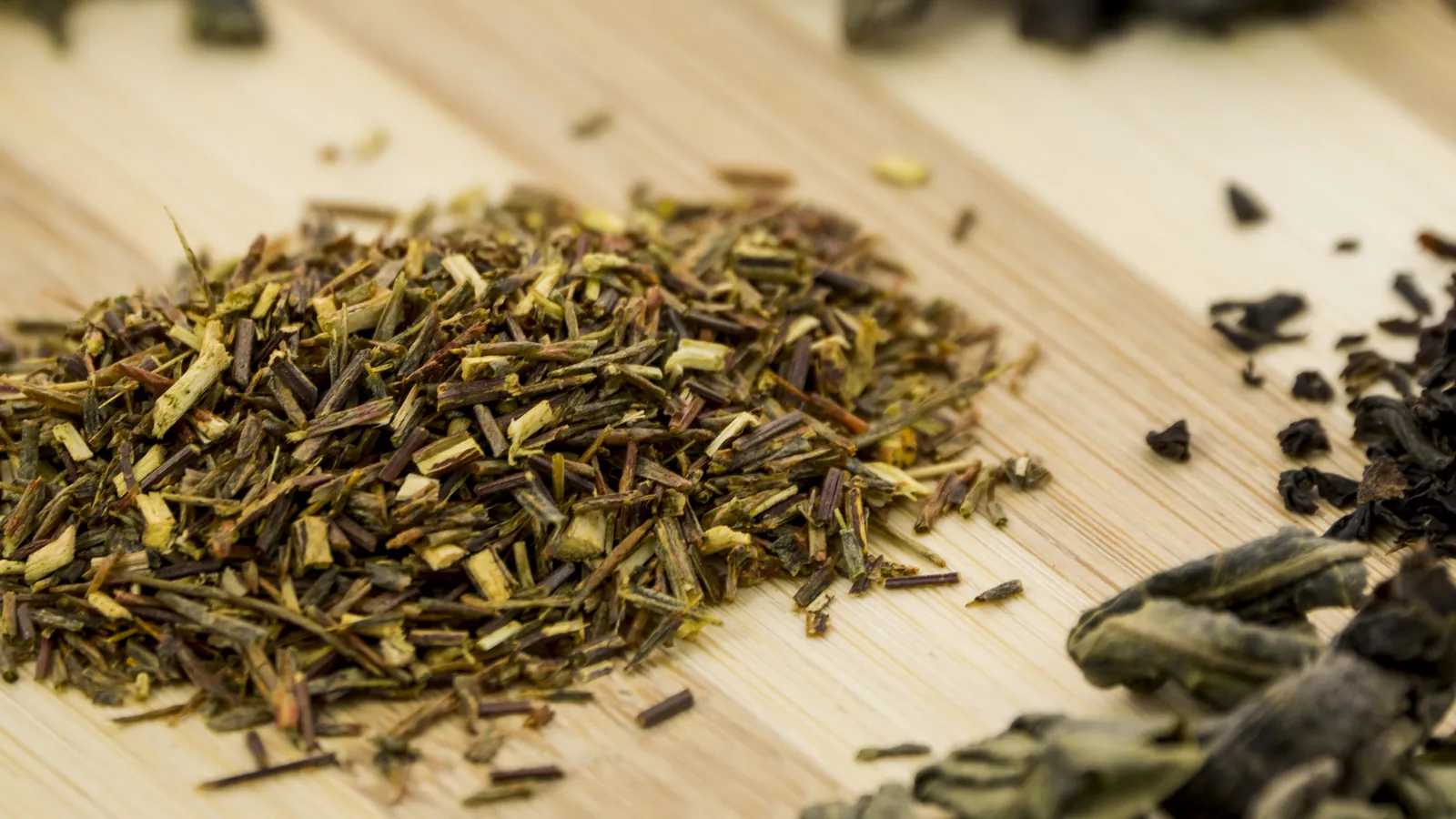
Genmaicha is green tea (usually sencha or bancha) blended with roasted brown rice, giving a toasty, popcorn-like, mildly savory cup with medium-low caffeine, around 10 to 25mg. It is the most food-friendly Japanese tea and the easiest entry point for customers new to green tea, because the roasted rice softens any grassy edge. On a menu, it reads as approachable and comforting.
Where it earns its place: genmaicha is a strong hot-tea-service and food-pairing option rather than a latte base. It shines as a pot-brewed tea alongside pastries or a lunch menu, and it gives you a third distinct Japanese profile (toasty-savory) next to matcha (vegetal) and hojicha (roasted-sweet) without overlapping either. For cafes doing loose-leaf service, it is a low-risk, low-cost addition that broadens the Japanese-tea story.
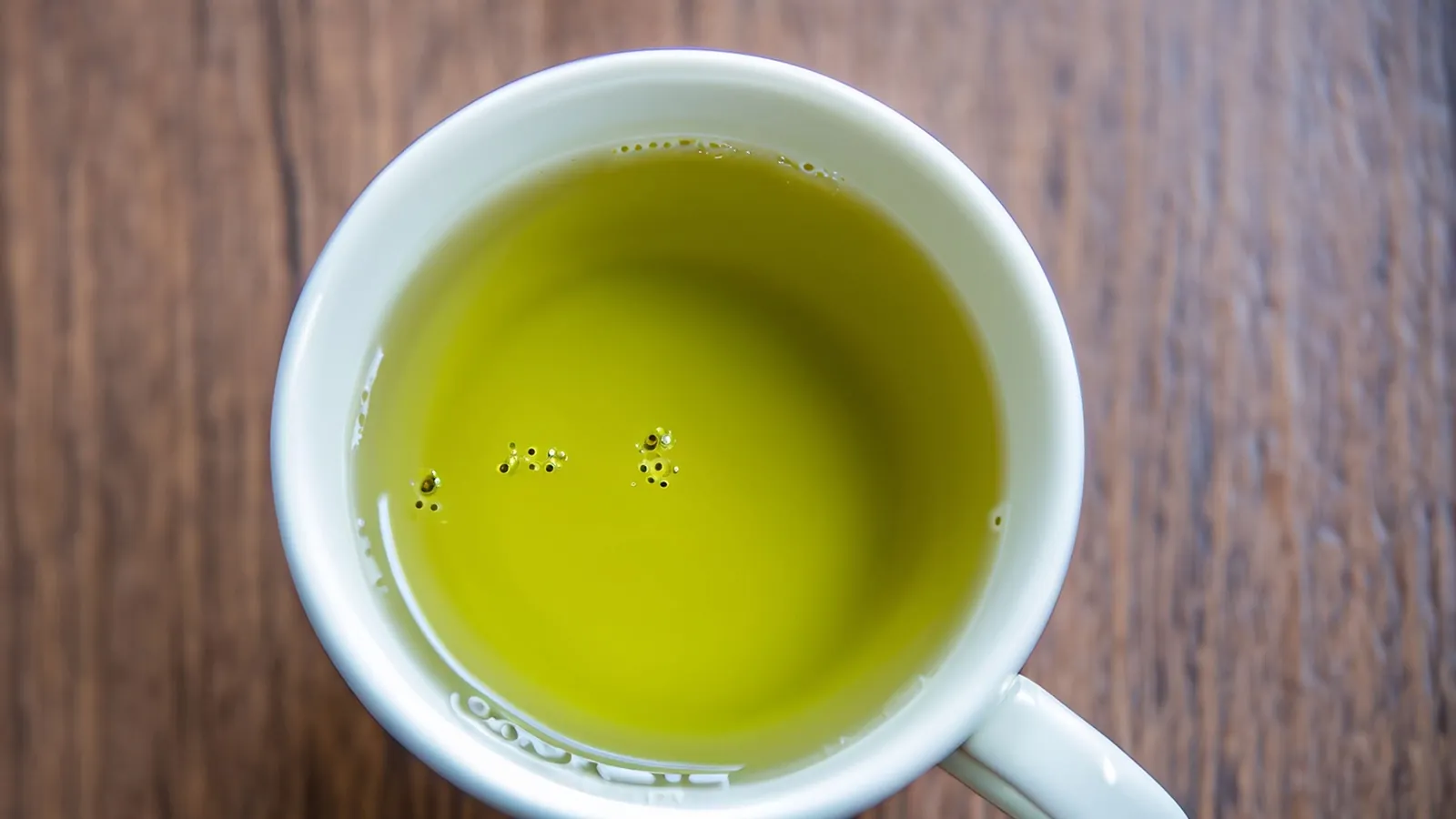
Sencha is the classic steamed Japanese green tea: fresh, grassy, slightly sweet, with a clean umami finish and moderate caffeine (roughly 30 to 40mg a cup). It is the everyday tea most Japanese people actually drink, and on a US cafe menu it is the credible loose-leaf green tea option for customers who want brewed green tea done properly, not a dusty teabag.
Sencha's role is narrower for a latte-driven cafe, but it matters for positioning. Offering a genuine single-origin sencha signals that you take Japanese tea seriously, which reinforces the quality story behind your matcha. It is a hot-service and iced-tea product, best kept simple: good leaf, right water temperature (around 160 to 175 degrees F so it does not turn bitter), short steep. Think of sencha as the menu's credibility anchor rather than its volume driver.
For a cafe building lattes, hojicha powder is the workhorse; loose leaf is for brewed tea service. Hojicha powder is roasted tea milled fine like matcha but amber-brown, and because you whisk the whole particle into the drink rather than straining it out, it delivers the body and cafe-strength intensity that stands up to steamed milk and syrup. Loose-leaf hojicha makes a lighter, more aromatic brewed cup, better suited to a pot than a latte.
A simple way to stock it:
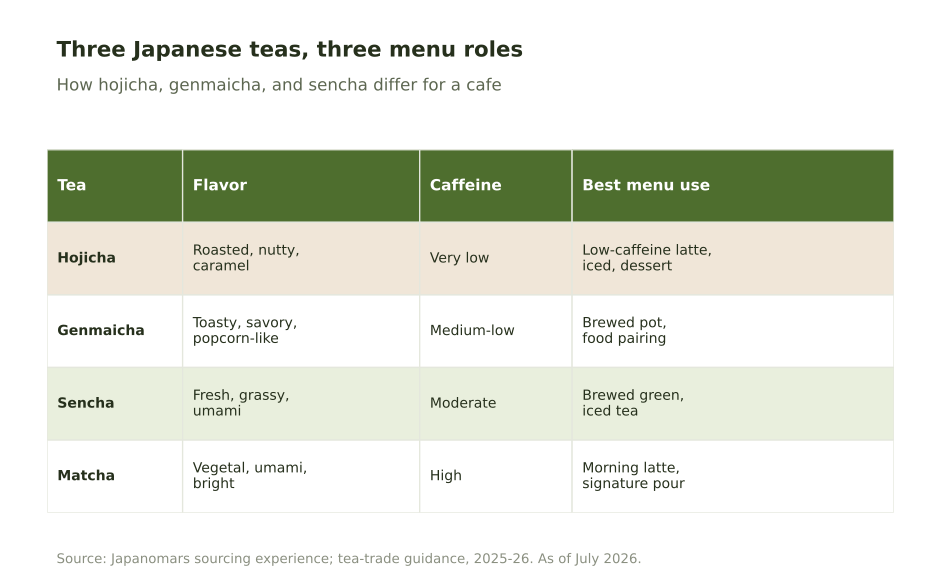
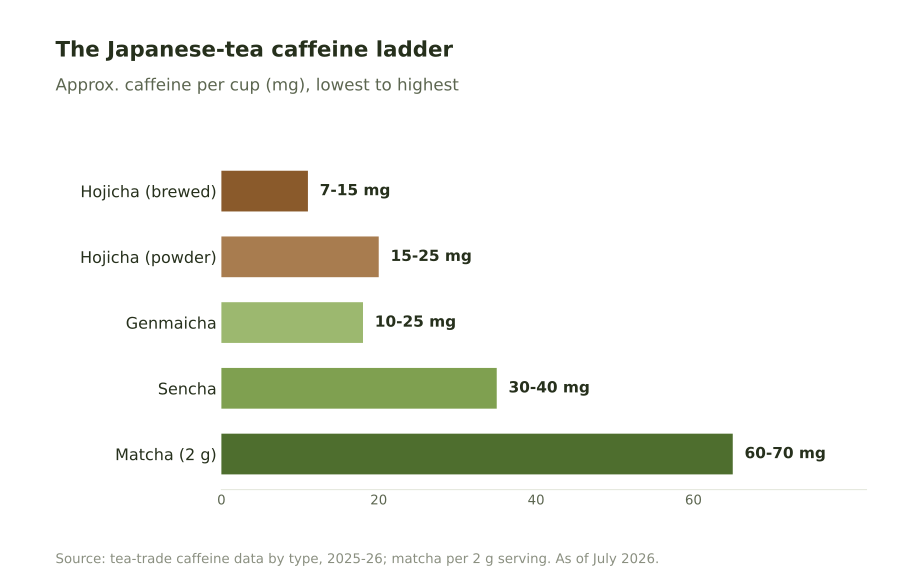
Japanese teas give you a full caffeine ladder, which is a menu-planning advantage most cafes overlook. From lowest to highest per cup: brewed hojicha sits around 7 to 15mg, hojicha powder 15 to 25mg, genmaicha 10 to 25mg, sencha roughly 30 to 40mg, and matcha about 60 to 70mg for a standard 2-gram serving. That spread lets one supplier's product line cover a customer's entire day.
Why this matters commercially: a single Japanese-tea menu can serve the espresso-strength morning customer (matcha), the moderate midday drinker (sencha or genmaicha), and the caffeine-avoiding evening guest (hojicha), all with premium, story-rich products. Coffee cannot do that without decaf compromises. For the full matcha-versus-coffee comparison, see matcha vs coffee: caffeine, L-theanine, and the calm-energy difference, and note that hojicha sits even lower on the scale.
From the sourcing floor
Hojicha is the request we now hear most often right after a cafe commits to matcha. It roasts from the same regions we already buy matcha leaf from, so adding a hojicha SKU to an existing matcha order costs the cafe almost nothing in logistics, one shipment, one invoice, one relationship. The operators moving early on hojicha in 2026 are the ones who had a matcha supplier who could also roast.
The efficient move is to add hojicha, genmaicha, or sencha to an existing Japan-direct matcha order rather than opening a second supplier account. These teas come from the same producing regions and often the same farms and factories that make matcha, so a supplier already shipping you matcha can consolidate them into one shipment, one set of paperwork, and one payment. That keeps your landed cost and admin low.
What to look for when adding Japanese teas:
If you already buy matcha the right way, adding these teas is a small extension, not a new project. Our guide to adding matcha to your cafe menu covers the operational basics that apply here too.
Hojicha is Japanese green tea, usually sencha, bancha, or kukicha stems, that has been roasted over high heat. Roasting turns the leaf reddish-brown and gives it a nutty, toasty, caramel-like flavor while burning off most of the caffeine. It comes as loose leaf for brewing or as a fine powder for lattes, and its low-caffeine, comforting profile is why it is the fastest-growing Japanese tea on US menus.
Hojicha is much lower in caffeine: brewed hojicha has roughly 7 to 15mg per cup and hojicha powder 15 to 25mg, versus about 60 to 70mg for matcha. Both are antioxidant-rich green teas, so "healthier" depends on the goal. For caffeine-sensitive or evening customers, hojicha is the better fit; for an energizing morning pour, matcha wins.
For lattes and iced drinks, use hojicha powder, it delivers the body and intensity that stands up to milk and syrup, and it maps onto your existing matcha-latte workflow. Use loose leaf for hot brewed tea service and cold brew. Most cafes start with powder only because it drives the highest-margin drinks with tools they already own.
Sencha is fresh, grassy steamed green tea with moderate caffeine. Genmaicha is green tea blended with roasted brown rice, giving a toasty, savory cup with medium-low caffeine. Hojicha is roasted green tea, nutty and caramel-toned with very low caffeine. On a menu, sencha is your brewed-green option, genmaicha is food-friendly, and hojicha is your low-caffeine latte base.
Yes, and it is the smart way to do it. Hojicha, genmaicha, and sencha come from the same regions and often the same farms and factories as matcha, so a Japan-direct supplier can consolidate them into one shipment, one invoice, and one relationship. That keeps logistics, paperwork, and landed cost low compared with opening a second supplier account.
The data points to lasting demand. "Hojicha" search interest is up 54.6% since early 2025 and "hojicha latte" is up 173%, while the global hojicha market is projected to grow from about $2.1 billion to $3.9 billion by 2034. In North America it is spreading as the natural next step after matcha, with Europe still early, so there is room to run.
Matcha put Japanese tea on your menu; hojicha, genmaicha, and sencha let it own more of the day. Hojicha is the standout, a low-caffeine, latte-ready roasted tea with demand rising fast in the US, and it slots into the exact workflow your baristas use for matcha. Genmaicha and sencha round out the range for brewed and food service. The whole set can come from one Japan-direct relationship.
Japanomars supplies specialty cafes with matcha and roasted hojicha (plus genmaicha and sencha) from the same trusted producing regions, consolidated into one shipment and one relationship. Request samples and current wholesale pricing, and we will build a Japanese-tea lineup that fits your bar.
Request samples & pricing
Hiroshi Asami is the founder of Japanomars, a Japanese matcha exporter supplying specialty cafes across the US, Canada, and the Philippines, working directly with farms and regional tea factories in six producing regions.
Sources: Country & Town House and BakeryAndSnacks, 2026 hojicha trend analysis (Google Trends: hojicha +54.6%, hojicha latte +173%; market $2.1B to $3.9B by 2034); MAFF Japanese tea export portal and trade reporting (2024 to 2025 export value nearly doubled, powdered tea ~84% of value); tea-trade guidance on caffeine by type (hojicha, genmaicha, sencha) and hojicha powder vs loose-leaf preparation, 2025-26.
%E7%99%BD_%E5%A4%A7%E3%81%8D%E3%81%84.png)