%E5%A4%A7%E3%81%8D%E3%81%84.png)
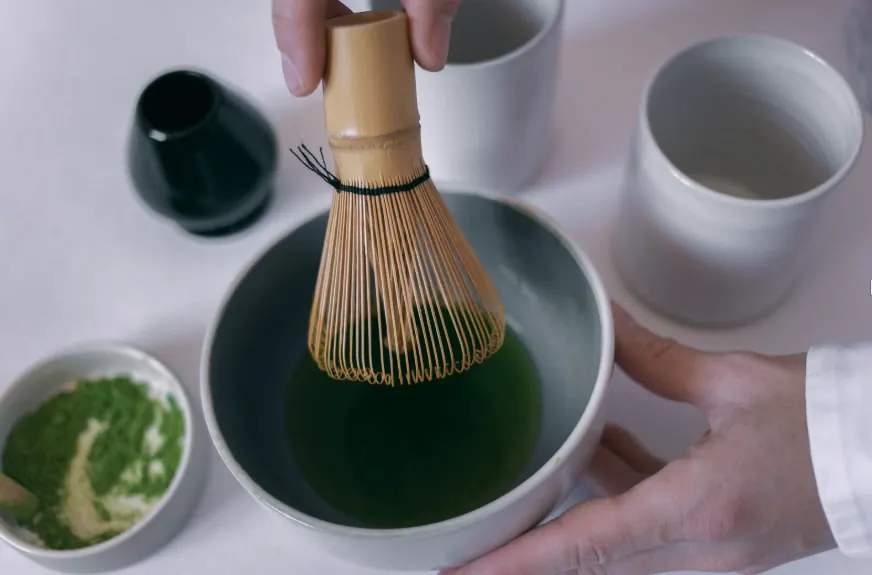
A consistent matcha latte comes down to a fixed ratio: whisk about 2 grams of latte-grade matcha with 2 ounces of 175F water into a smooth paste, then add 6 to 8 ounces of milk for a hot latte, or pour over cold milk and ice for an iced one. Get the ratio, water temperature, and grade right and every cup tastes the same. This guide gives cafe-ready ratios for hot and iced, the method that avoids clumps and bitterness, how to batch for volume, and how the drink fits your menu and margins. It is a spoke of our Matcha for Cafes guide and the add matcha to your cafe menu hub.
The cafe-standard matcha latte is about 2 grams of latte-grade matcha whisked with 2 ounces of hot water, then 6 to 8 ounces of milk, scaled up for larger cups. The key is fixing the ratio so every barista pours the same drink. Whisk the matcha with a small amount of water first to make a smooth paste, then add the milk, hot or over ice.
| Drink | Matcha | Hot water (to whisk) | Milk | Notes |
|---|---|---|---|---|
| Hot latte (8oz) | 2g | 2oz at 175F | 6oz steamed | Paste first, then milk |
| Hot latte (12oz) | 3g | 2 to 3oz at 175F | 8 to 9oz steamed | Scale matcha with size |
| Iced latte (12oz) | 3g | 1 to 2oz at 175F | 8oz cold, over ice | Pour paste over milk and ice |
| Stronger / "dirty" | +0.5 to 1g | same | same | For a bolder or spiked drink |
Treat these as your house baseline and adjust once by taste, then lock it. A written ratio card at the station is what keeps a matcha menu consistent across shifts. For which drinks to build on this base, see our matcha latte variations playbook.
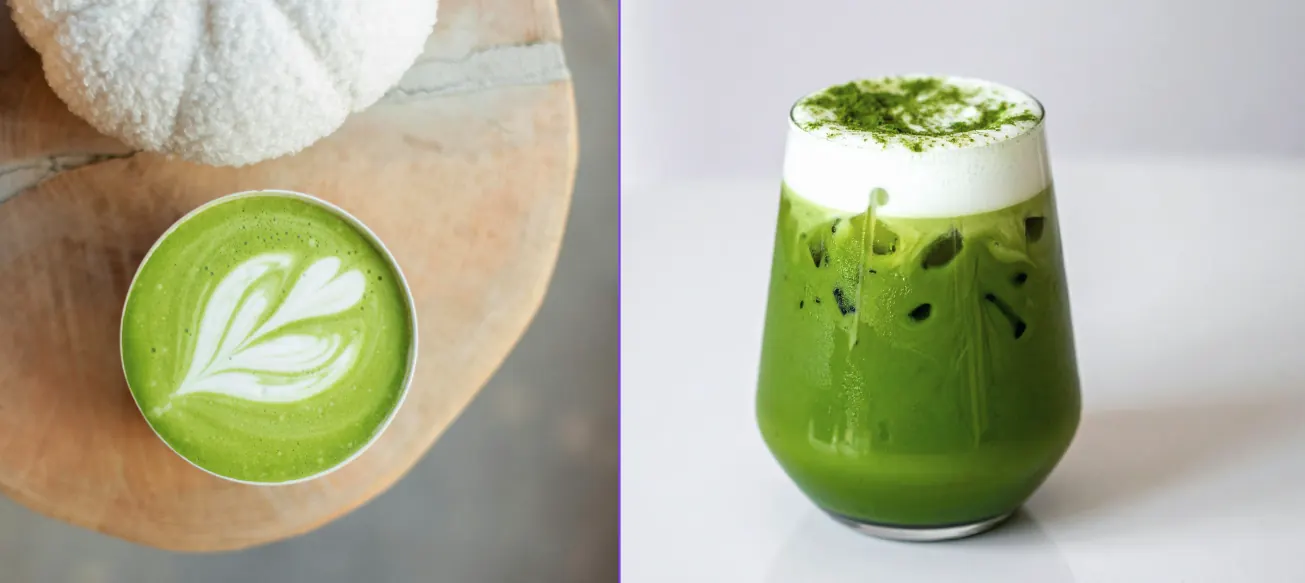
Very little changes between hot and iced: the matcha, water, and whisking are the same, and only the milk temperature and pour differ. For hot, whisk the paste and add steamed milk at 140 to 150F. For iced, whisk the same paste, then pour it over cold milk and ice so it does not seize or dull.
Iced is where matcha earns its afternoon sales, and it photographs well, which drives social traffic. Two cafe tips: use slightly more matcha for iced (dilution from ice and cold milk mutes flavor), and pour the matcha paste last, over the milk and ice, for the layered look customers expect before they stir.
Use water at about 160 to 180F (71 to 82C), never boiling. Boiling water at 212F scorches the fine matcha powder and pulls out harsh bitterness, which is the single most common reason a cafe's matcha tastes "off." Cooler-than-boiling water preserves the sweet, smooth umami that makes the drink worth its price.
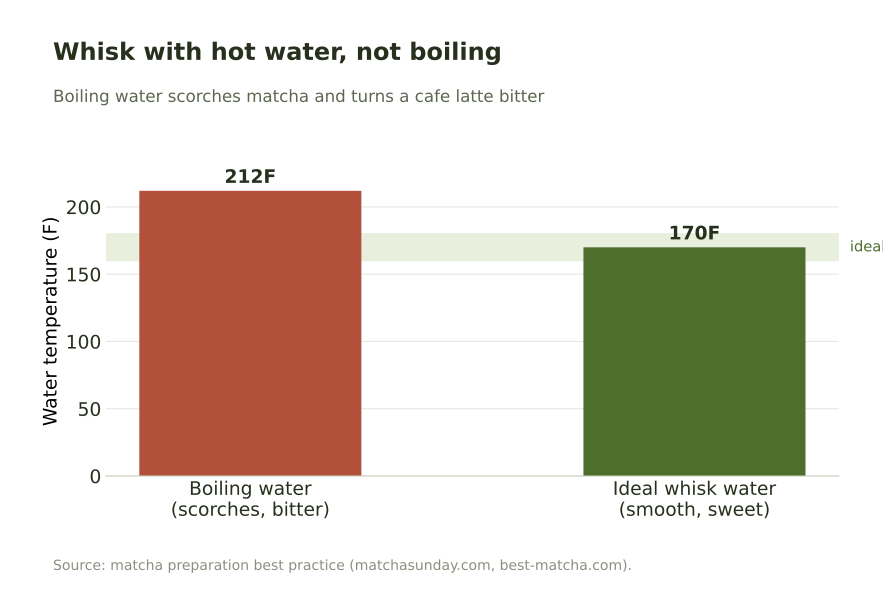
In practice, let just-boiled water sit for a minute, or set a kettle to about 175F. You only need a small amount to make the paste, so a station kettle or the espresso machine water tap (checked for temperature) works. This one habit fixes most bitter-matcha complaints.
Sift the powder, whisk it into a paste with a little warm water before adding milk, and keep the water off the boil. Clumps come from dumping powder straight into liquid, and bitterness comes from water that is too hot or too much powder for the cup. Fix those three and the drink is smooth and sweet every time.
The fastest cafe methods are a bamboo or spring whisk in a W motion, a handheld frother, or a small blender for batching. Avoid over-dosing the matcha to "make it stronger," which reads as bitter, not bold; add a touch more only within the ratio above. For the full list of pitfalls, see our planned barista mistakes guide.
Honestly the house ratio comes down to the owner or barista, so I would not force one, but there are two broad paths. If you care deeply about the cup, use a ceremonial grade; because it is costly I would not pour it heavily. In Japan a serving is only about 2 to 3 grams, while many cafes abroad use 6 to 7 grams, which more than doubles your cost, so a 3 gram dose of a properly bitter ceremonial goes a long way. If you would rather keep things simple, a solid, not-too-cheap latte grade at a heavier dose is perfectly fine. One rule holds either way: a sweet matcha gets lost under milk, so I prefer a more bitter matcha in a latte because it lets the tea stand out. My top pick for cafes is matcha from the Ureshino region; I can blend it toward umami or toward bitterness, the color is excellent, it is ball-milled so it dissolves easily, and the price is reasonable. Just watch the bottom of the latte-grade market, because the cheapest powders turn yellowish rather than a vivid green.
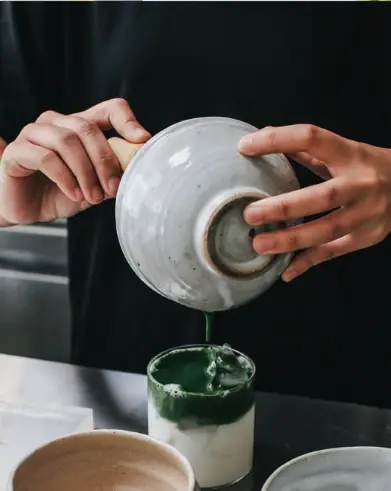
Make a whisked matcha concentrate: whisk a larger measure of matcha and warm water into a smooth liquid, keep it cold, and pour a fixed amount per drink over milk. Batching keeps lattes consistent during a rush and cuts per-drink prep from a minute to seconds, without the clumping you get from pre-mixing matcha into milk.
Keep it practical: whisk or blend the concentrate fresh each shift, hold it refrigerated and covered, shake or stir before each pour since matcha settles, and do not hold it more than a day because flavor and color fade. Portion with a fixed pour or pump so every latte gets the same dose. This is how a cafe serves matcha at coffee speed without losing consistency.
Use latte grade, not ceremonial, because milk masks ceremonial's delicate flavor and it costs far more. At cafe wholesale volumes, latte-grade matcha runs roughly 55 to 85 dollars per kilogram, which is about 0.30 to 0.55 dollars of matcha per drink at a 2 gram dose. That supports a strong margin on a 5.50 to 7 dollar latte. If you are still choosing where to buy, our comparison of the best wholesale matcha suppliers for US cafes covers who is taking new accounts in 2026.
The grade choice, not the recipe, is the biggest lever on both taste and cost. A vivid, smooth latte grade makes a clean drink under milk; a dull, cheap powder tastes flat or bitter no matter the ratio. For the grade breakdown see our matcha grades guide, and for wholesale pricing, MOQs, and how to buy, our wholesale and bulk matcha for cafes guide.
Start with a hot latte and an iced latte on your locked house ratio, then add one signature or seasonal matcha drink. A tight, well-executed matcha section outsells a long list, and it keeps prep simple during a rush. Price with the margin math above so the drink pulls its weight in the afternoon daypart.
From there, expand where customers pull you: flavored and "dirty" matcha lattes travel well on social media and lift traffic. Keep the base ratio and grade constant as you scale so the drink stays consistent through your busy months, and route your matcha through one reliable latte-grade supplier so quality does not drift. For the menu-level plan, see our how to add matcha to your cafe menu guide.
About 2 grams of latte-grade matcha whisked with 2 ounces of hot water into a paste, then 6 to 8 ounces of milk for an 8oz hot latte. Scale the matcha up with cup size, and use a touch more for iced since ice and cold milk mute the flavor.
About 160 to 180F (71 to 82C), never boiling. Boiling water at 212F scorches the powder and makes it bitter. Let just-boiled water rest a minute or set a kettle to around 175F. You only need a small amount to whisk the matcha into a paste.
Sift the powder, whisk it with a little warm water into a smooth paste before adding milk, and keep the water off the boil. Clumps come from adding powder straight to liquid; bitterness comes from water too hot or too much matcha per cup. A W-motion whisk, frother, or blender all work.
Latte grade. Milk and sweetener mask the delicate flavor you pay a premium for in ceremonial, so ceremonial in a latte wastes budget. Latte grade delivers the same milk drink for roughly a third of the cost. Keep ceremonial only for a straight-whisked premium tier.
Yes. Whisk or blend a matcha concentrate with warm water, hold it cold and covered, and pour a fixed amount per drink over milk. It keeps lattes consistent during a rush and cuts prep to seconds. Stir before each pour since matcha settles, and make it fresh each shift.
The recipe is only as good as the matcha in it. If you want a latte grade that stays vivid and smooth under milk, start with a sample you can taste in your own house ratio. We work with cafes on long-term supply, not one-off orders, and can send a latte-grade sample with current wholesale pricing so you can test the drink before you commit.
Request samples & pricingHiroshi Asami is the founder of Japanomars, which sources premium matcha directly from farms across Japan (Sayama, Ibi, Ureshino, Yame, Kirishima, and Chiran) and supplies specialty cafes abroad. Sources: matcha latte ratio and water-temperature best practice (matchasunday.com, best-matcha.com, canalcoffeecompany.com); wholesale latte-grade pricing per kg (2026 B2B ranges). Ratios are a house baseline; adjust once by taste and lock them.
%E7%99%BD_%E5%A4%A7%E3%81%8D%E3%81%84.png)