%E5%A4%A7%E3%81%8D%E3%81%84.png)
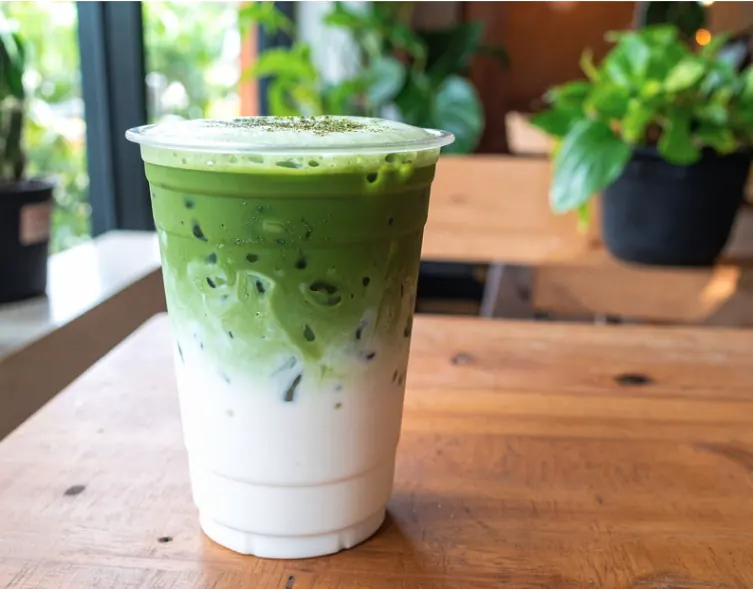
Matcha belongs on a cafe menu because it delivers high gross margins, a fast-growing customer base, and an afternoon, non-coffee revenue stream, but only if you buy the right grade and secure a reliable supply. Matcha for cafes is a sourcing decision first and a recipe decision second. This guide is for US and Canadian cafe owners deciding whether to add matcha, which grade to use, how much to buy, what the margins look like, and where to source it during the 2026 shortage.
Yes, for most specialty cafes and coffee shops matcha now earns its place, because demand is broad and durable and it sells in the afternoon when espresso volume drops. Global matcha demand has grown roughly eightfold over five years, and matcha drinkers skew younger and are willing to pay a premium for a drink they see as both a treat and a functional pick-me-up. The same afternoon logic extends to hojicha and other Japanese teas for your menu once matcha is established.
The strategic value for a cafe is the daypart. A matcha latte, iced matcha, or matcha tonic pulls revenue after 2pm from customers who have already had their coffee or who avoid it entirely, helped by matcha's gentler caffeine-plus-L-theanine profile (the real health benefits cafes can honestly claim). It also reads as premium, which supports a $5.50 to $7 price point without pushback. The catch, and the reason this guide exists, is that adding matcha well is a sourcing decision first and a recipe decision second. Get the grade and supplier wrong and you either overpay, serve a bitter drink, or run out mid-season.
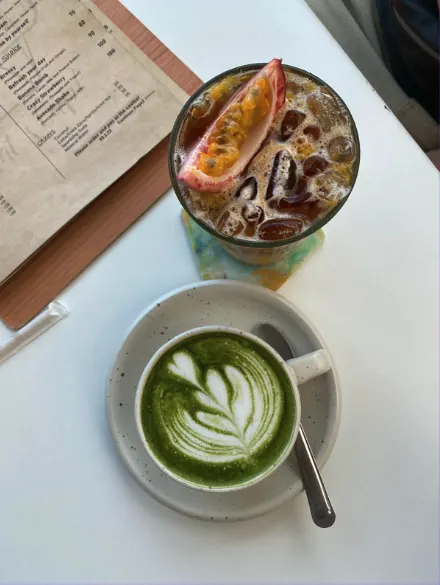
For milk-based cafe drinks you want a high culinary or “latte” grade, not true ceremonial grade. Ceremonial matcha is made to be whisked with water and sipped straight, where its delicate sweetness shows. In a 12oz oat latte that nuance is lost under milk and sweetener, so paying ceremonial prices for lattes wastes 40 to 60% of your matcha budget. The ratios, water temperature, and batching method behind those drinks are covered in matcha latte ratios and method for cafes.
The practical split for a cafe menu:
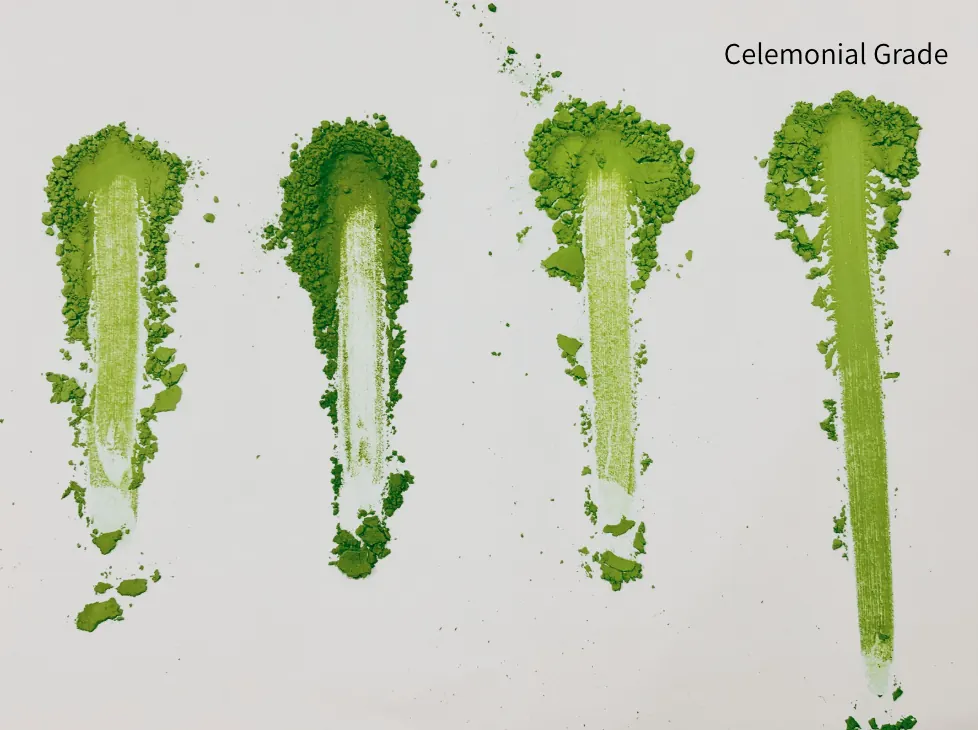
Be careful with labels. “Ceremonial” has no legal definition, and during the shortage culinary matcha is increasingly relabeled and sold as ceremonial in Western markets. Judge by the powder itself: bright jade color, fine texture, a clean umami finish, and no dusty or hay-like smell. For the full breakdown, see our guide to matcha grades and what cafe buyers actually pay for and what makes matcha genuinely good.
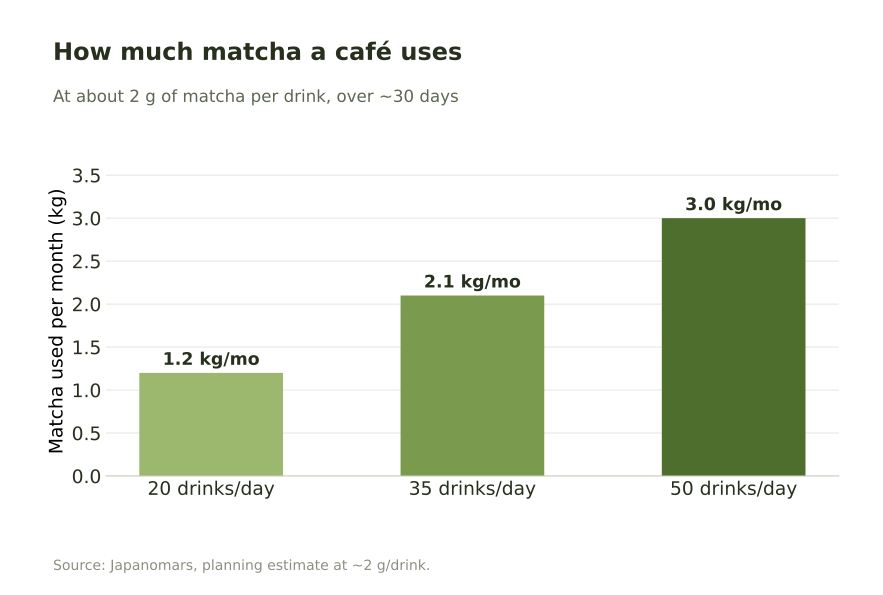
A cafe serving matcha uses about 1.5 to 2 grams of powder per drink, so a shop selling 20 matcha drinks a day goes through roughly 40 grams daily, a little over 1kg per month. At 50 drinks a day that is around 100 grams daily, or about 2.5 to 3kg a month. These are useful planning numbers when you size a first order and negotiate wholesale terms.
Two operational points follow from this. First, matcha is perishable once opened. It oxidizes and dulls in flavor over a few weeks, so buy bulk matcha in sensible pack sizes (commonly 500g or 1kg foil bags) and open one at a time rather than buying a single large tin. Second, because you are turning through kilograms per month, small per-gram price differences compound fast, which is why wholesale sourcing beats buying retail tins the moment you are past the trial stage. On that first point, see how long batched matcha stays fresh for open-bag shelf life and batching limits.
At cafe volumes, latte-grade matcha typically lands in the range of roughly $0.30 to $0.55 per drink in matcha cost, so a $6 matcha latte carries a gross margin comparable to or better than a specialty coffee drink. The exact figure depends on grade and how well you buy, but the drink math is forgiving because matcha is priced by the gram and you use very little per cup.
A simple worked example for a 12oz iced latte using 2 grams of latte-grade matcha:
| Menu price | Matcha (2g) | Milk / oat, cup, lid | Rough gross margin |
|---|---|---|---|
| $6.00 | $0.35 to $0.55 | $0.70 to $1.10 | about $4.40 to $4.90 |
The number that moves this most is your matcha cost per kilogram, which is set entirely by grade and sourcing channel. Buying vetted latte-grade wholesale matcha rather than retail ceremonial tins is usually the difference between a healthy margin and a thin one.
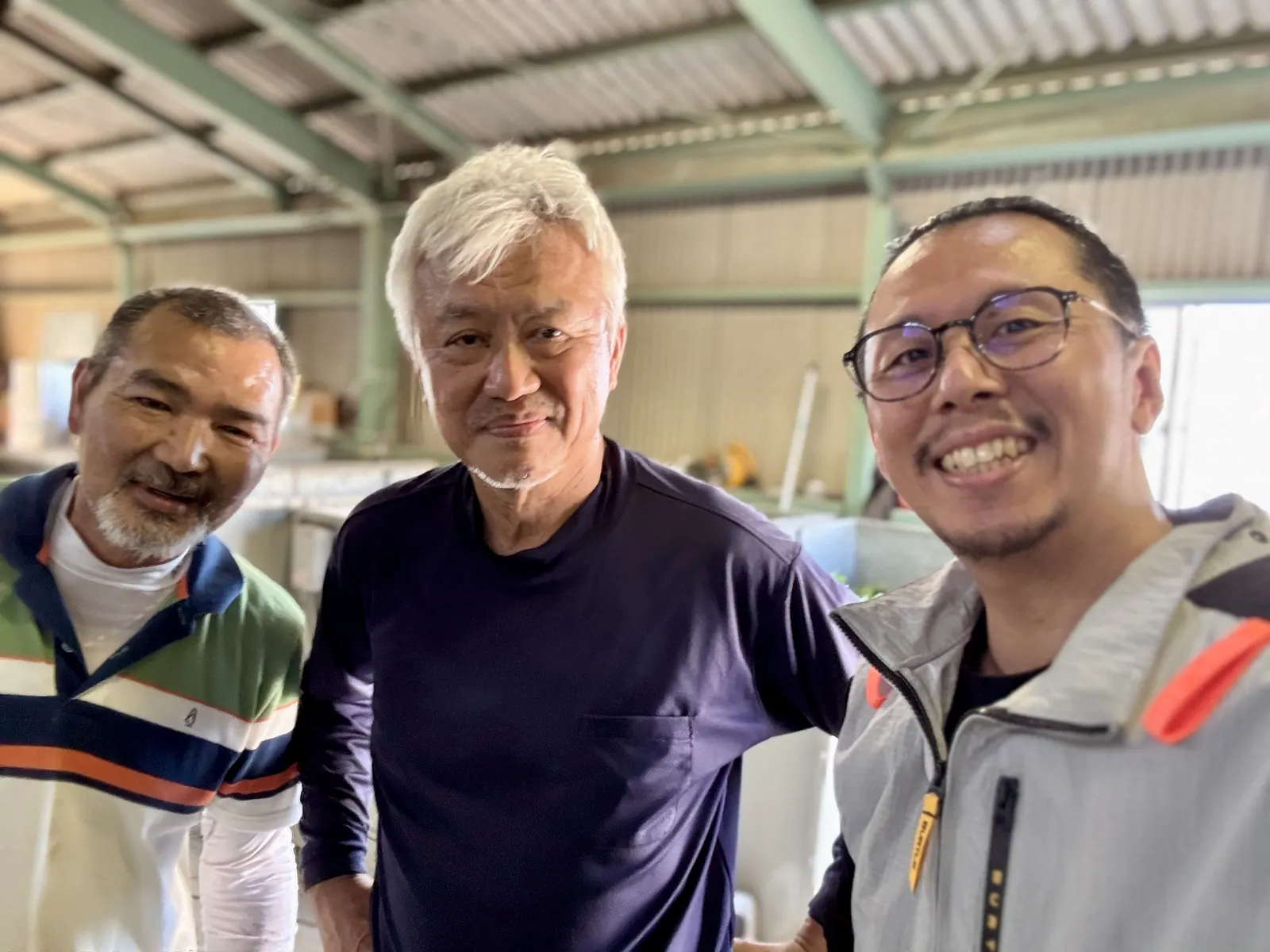
Here is what I am seeing on the ground this season. I am quoting cafes roughly $100 to $160 per kilogram for latte grade and $160 to $210 for ceremonial, depending on origin and lot. On reservations, farms open first-harvest (ichibancha) booking around April and May, and if you do not commit in that window it is genuinely hard to secure a guaranteed allocation. The pressure is real: on a recent visit to Kyoto I learned of large trading houses reserving a single farm's entire output ahead of time, buying up everything that farm can produce, which tightens what is left for everyone else.
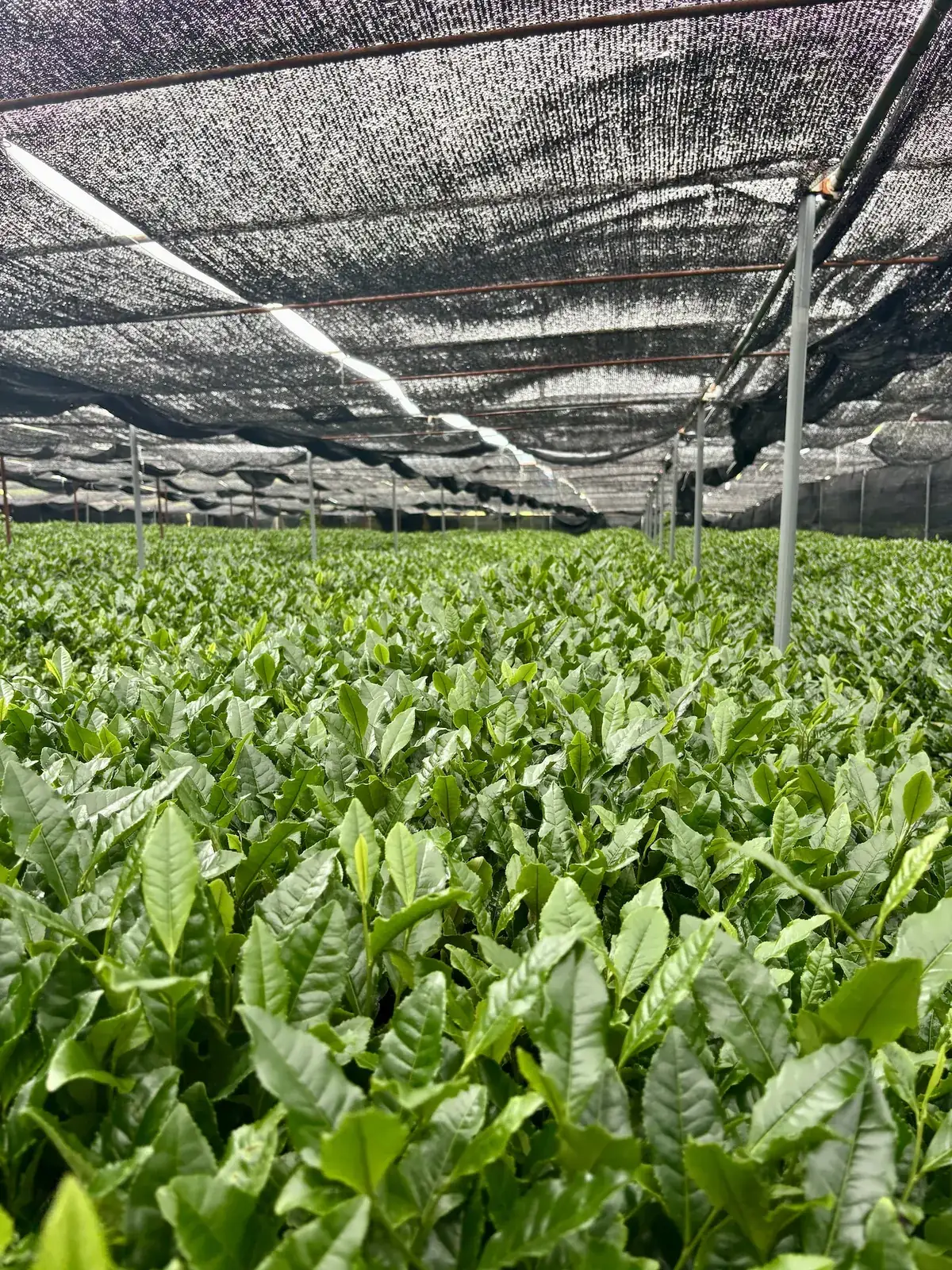
Matcha is in the first genuine shortage in its history, and it is specifically a tencha shortage that has pushed wholesale prices sharply higher through 2025 and 2026. Tencha is the shade-grown leaf that becomes matcha, only a limited number of farmers grow it well, and demand has outrun a crop whose planting cycle runs in years, not months.
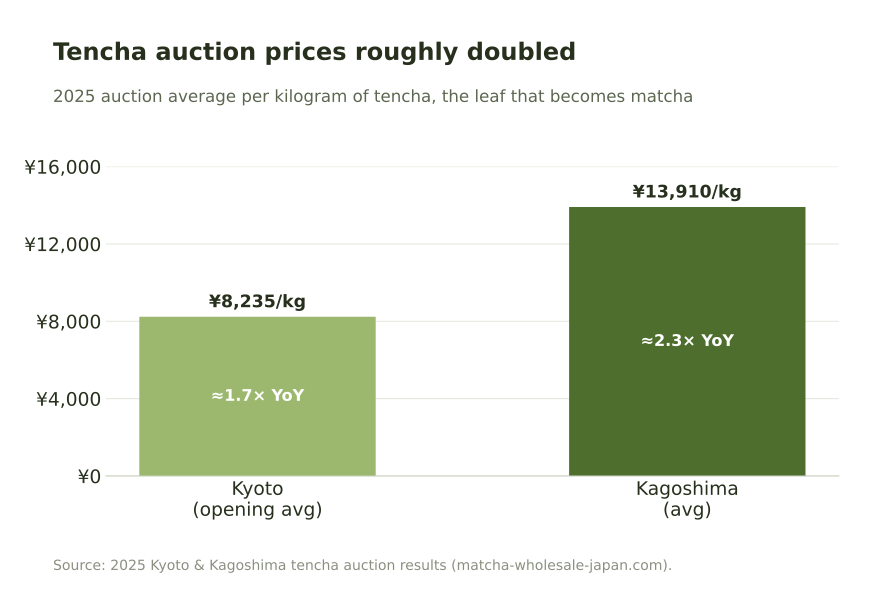
The numbers from Japan's 2025 and 2026 auctions make the squeeze concrete. According to the Global Japanese Tea Association, the shortage began in autumn 2024. At the May 2025 Kyoto auction the opening tencha average reached ¥8,235 per kilogram, about 1.7 times the prior year, and Kagoshima tencha averaged about ¥13,910 per kilogram (near USD 90), up 2.3 times year over year. Uji's 2025 hand-picked matcha production fell about 40% year over year, from 10,216kg to 6,140kg. In 2026 the pressure continued: Kagoshima's first new-tea auction averaged ¥6,573 per kilogram, up ¥2,436 on the year, and Ito En raised prices across its lineup by 5 to 25% from March 2026.
For a cafe this means three things. Reserve early, because farms and importers are asking buyers to commit to the next harvest months ahead. Expect to pay more than the pre-2024 prices you may have seen quoted. And scrutinize any suddenly cheap “ceremonial” matcha, since relabeling is how some sellers hide thinner supply. For the full market picture read our 2026 matcha market and supply outlook and the cafe buyer's guide to sourcing through the shortage.
Once you are past testing, buy from a vetted wholesale supplier rather than retail tins or a marketplace listing, because wholesale gives you consistent grade, per-kilogram pricing, and, most importantly in 2026, supply continuity. Retail tins are fine for a two-week trial, but they cost several times more per gram and offer no guarantee the same lot will exist next month. We compare the main options, from Aiya and Rishi to farm-direct, in our guide to the best wholesale matcha suppliers for US cafes.
Your realistic sourcing routes are farm-direct, a Japanese wholesaler or trading company, or an importer or distributor in your own market. Each trades off price, minimum order, lead time, and how much vetting you have to do yourself. Region matters too: Uji, Yame, Kagoshima, and other growing areas differ in style and price, and during the shortage the less-famous regions are often where the value is (Japanese matcha regions: a cafe sourcing guide). The single most important habit is verification: ask for the region and harvest, a recent lab or residue report, and a sample of the actual lot before you commit, so the “ceremonial” on the bag matches what is in it. Our guide on how to find and vet a Japanese matcha wholesale supplier and the comparison of farm-direct versus trading company sourcing walk through exactly what to ask.
Before you wire money for a first wholesale matcha order, run this quick checklist. It takes one email exchange and removes most of the ways cafes get burned.
Start narrow and grade-right: one hot latte, one iced latte, and one signature or seasonal matcha drink, all built on latte-grade matcha, with a small ceremonial tin held back for straight or premium orders. A tight, well-executed matcha section outsells a long list of mediocre ones, and it keeps your prep and inventory simple. For the iced build specifically, see iced matcha for cafes, and for the full rollout sequence see our guide to adding matcha to your cafe menu.
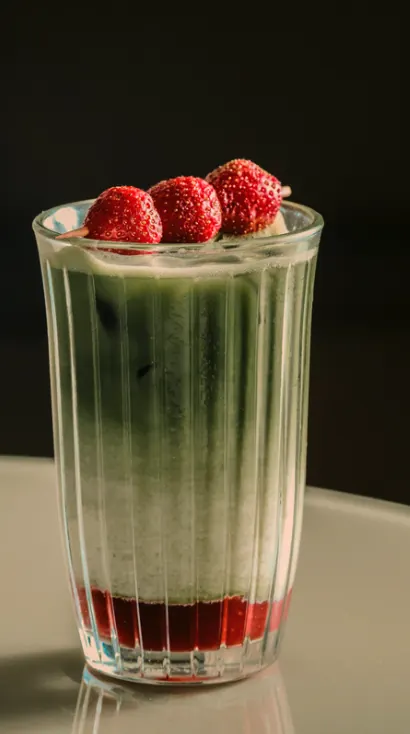
From there, expand where your customers pull you. Iced matcha and flavored variations (strawberry, vanilla, a “dirty” matcha with a shot) tend to travel well on social media and lift afternoon traffic. Price with the margin math above in mind, and revisit grade as you scale so the drink stays consistent through the busy months.
Most cafe volume is high culinary or “latte” grade, which is built for milk drinks and costs far less than ceremonial. Cafes typically keep a small ceremonial tin for straight-whisked or premium orders, but using ceremonial in every latte wastes budget because milk masks its delicate flavor.
About 1.5 to 2 grams of powder per drink. A shop selling 20 matcha drinks a day uses roughly 40 grams daily, a little over 1kg a month; at 50 drinks a day it is around 2.5 to 3kg a month. Use these figures to size a first wholesale order.
Strong. Latte-grade matcha costs roughly $0.30 to $0.55 per drink, so a $6 matcha latte carries a gross margin comparable to or better than a specialty coffee. The biggest lever is your matcha cost per kilogram, which is set by grade and sourcing channel.
Matcha is in its first real shortage, driven by tencha (the shade-grown leaf). Demand rose about eightfold in five years while tea bushes take years to mature. Auction tencha prices roughly doubled in places, and Uji's 2025 hand-picked output fell about 40% year over year.
Yes. Cafes can source farm-direct, through a Japanese wholesaler or trading company, or via an importer. Wholesale gives consistent grade, per-kilogram pricing, and supply continuity. Always verify region, harvest, and a recent lab report, and sample the actual lot before committing.
Buy in sensible pack sizes (often 500g or 1kg foil bags), open one at a time, and keep it sealed, cool, and away from light and air. Matcha oxidizes and dulls over a few weeks once opened, so turn through stock and avoid one oversized tin.
If you are planning or scaling a matcha program in 2026, test the right grade and lock supply before the next harvest tightens further. We work with cafes on long-term supply, not one-off orders, and can send a sample set of latte-grade and ceremonial matcha plus current first-harvest wholesale pricing so you can cost your menu with real numbers.
Request samples & pricingHiroshi Asami is the founder of Japanomars, which sources premium matcha directly from farms across Japan (Sayama, Ibi, Ureshino, Yame, Kirishima, and Chiran) and supplies specialty cafes abroad. Sources: Global Japanese Tea Association; 2025 Kyoto and Kagoshima tencha auction results; Uji 2025 production figures; Kagoshima 2026 first-auction prices (Minaminippon Shimbun); Ito En 2026 price revision; Ippodo Tea 2026 supply notice; Norinchukin Research Institute.
%E7%99%BD_%E5%A4%A7%E3%81%8D%E3%81%84.png)