%E5%A4%A7%E3%81%8D%E3%81%84.png)
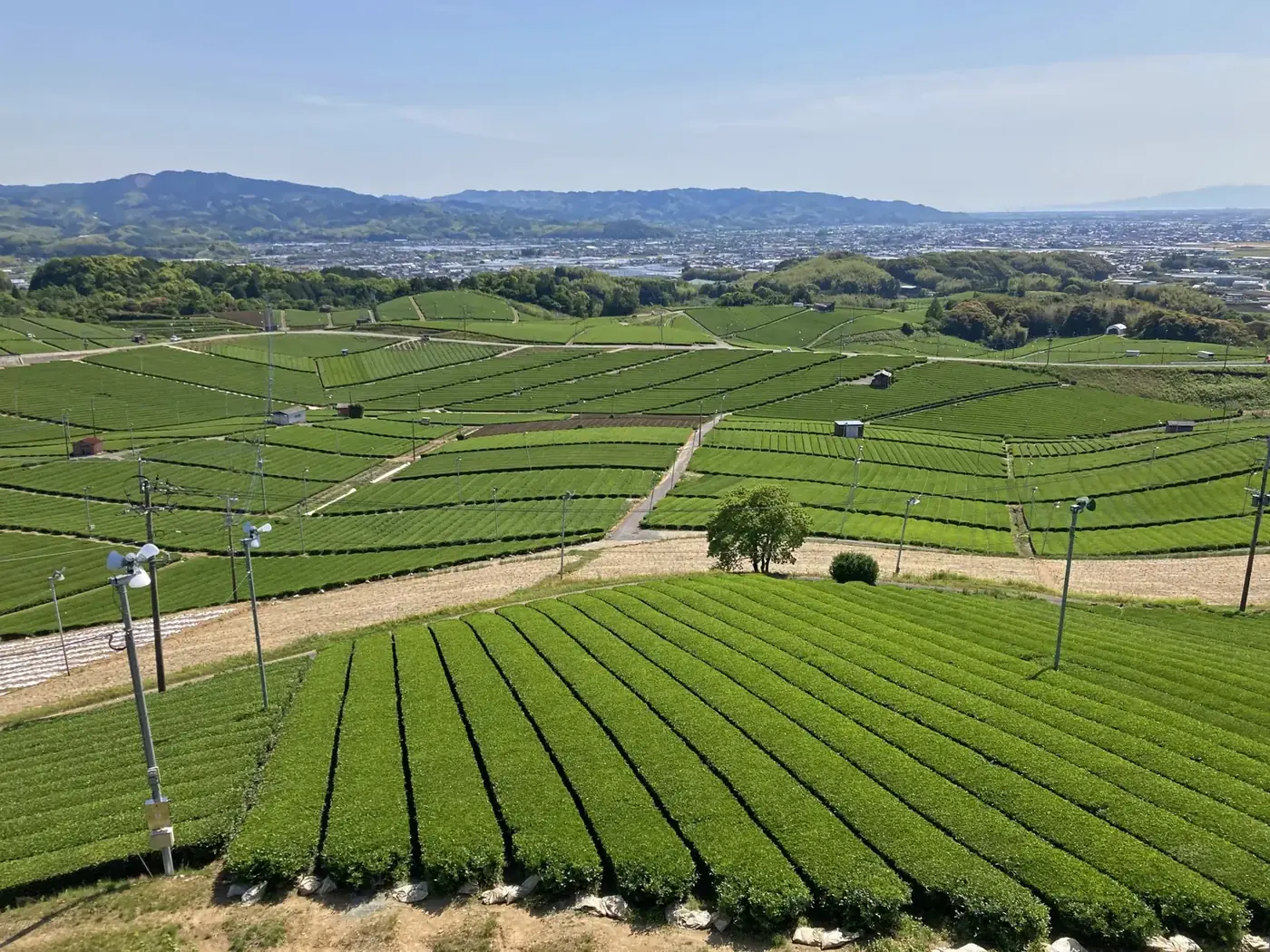
Japan's 2026 tencha (matcha raw leaf) auctions repriced sharply upward. Kagoshima's first-flush season averaged 13,910 yen per kg (JA Kagoshima, up from 6,013 in 2025). The May 14 Kagoshima auction print was 19,095 yen per kg and Uji's May 13 auction averaged 14,127. The July second flush came in at roughly half of first flush, at 9,859 yen for organic and 7,050 for conventional. This index tracks the public auction prices, models the US-landed cost, and shows where supply is tight.
Updated October 2026: added a step-by-step guide to checking a wholesale quote against this index, a five-question FAQ, 2025 tencha output by prefecture, and a full source list. Two regional figures that we could not trace to a primary record were corrected or removed (see the changelog).
What this page is for: one decision, which is whether a matcha quote you have in hand is in line with what the raw leaf costs this year. It is a reference table, not a guide. For how the 2026 auctions themselves played out, read What Japan's 2026 tencha auctions mean for your matcha price. For what a kilo becomes on your menu, see matcha cost per drink. For order sizes, MOQ and how to buy in bulk, see our wholesale buying guide. For why supply is short in the first place, see the 2026 supply and demand outlook.
Every figure below is a point value taken from a named primary source, with the date it was printed. Finished-matcha figures are modeled US-landed cost before any supplier margin, not our selling price. FX basis ¥162/USD.
| Metric | 2026 value | As of / primary source |
|---|---|---|
| Wholesale matcha, US-landed cost before supplier margin, ceremonial grade | $171/kg | Modeled from Uji tencha upper band ¥18,000/kg, stone milled, FX ¥162/USD (July 2026) |
| Wholesale matcha, US-landed cost before supplier margin, premium organic | $188/kg | Modeled from Kagoshima organic tencha ¥20,422/kg, stone milled, FX ¥162/USD (July 2026) |
| Wholesale matcha, US-landed cost before supplier margin, latte / culinary grade | $86/kg | Modeled from lower-band tencha ¥8,000/kg, ball milled, FX ¥162/USD (July 2026) |
| Tencha price, Kagoshima, first-flush season average (all tencha traded through the prefectural market) | ¥13,910/kg (~$86/kg), up ~2.3x year on year | JA Kagoshima Prefectural Economic Federation, announced June 4, 2026 |
| Tencha auction price, Kagoshima prefectural sale, all lots | ¥19,095/kg (~$118/kg) | Kagoshima Chamber of Tea, May 14, 2026 |
| Tencha auction price, Kagoshima prefectural sale, organic lots | ¥20,422/kg (~$126/kg); top lot ¥47,100/kg | Kagoshima Chamber of Tea, May 14, 2026 |
| Tencha auction price, Uji (Kyoto) | ¥14,127/kg (~$87/kg), about 1.7x the 2025 auction (¥8,235) | JA Zen-Noh Kyoto, May 13, 2026 |
| Tencha auction price, Kagoshima, second flush | Organic ¥9,859/kg, conventional ¥7,050/kg, roughly half the first-flush print | Kagoshima Chamber of Tea, July 16, 2026 |
Public auction averages for tencha, the raw leaf that becomes matcha. This is the spine of the index. Only regions with a public auction average are priced here; the rest appear in the regional map below.
| Market (source) | 2026 avg | vs prior yr | USD @¥162 | Detail |
|---|---|---|---|---|
| Kagoshima first-flush season average (JA Kagoshima Prefectural Economic Federation) | ¥13,910/kg | ~2.3x (¥6,013) | ~$86/kg | average of all first-flush tencha traded through the Kagoshima market; honcha ¥5,228/kg (~2.0x); announced June 4 2026. Headline Kagoshima figure used across this site |
| Kagoshima prefectural tencha auction (Chamber of Tea) | ¥19,095/kg | ~1.8x | ~$118/kg | organic avg ¥20,422 (~$126) / conventional ¥16,853; top lot ¥47,100; May 14 2026 |
| Uji tencha auction (JA Zen-Noh Kyoto) | ¥14,127/kg | ~1.7x | ~$87/kg | high ¥40,021 / low ¥7,200; 375 lots / 25,188 kg; May 13 2026 |
On the auction prints, premium tencha spans ¥14,127 (Uji auction avg) to ¥19,095 (Kagoshima May 14 all-lot avg) to ¥20,422 (Kagoshima organic), roughly $87 to $118 to $126/kg. Organic Kagoshima sets the ceiling on the auction floor. For a typical lot rather than a top print, use Kagoshima's first-flush season average across all tencha traded, ¥13,910/kg (~$86/kg), which is the headline Kagoshima figure we use across this site.
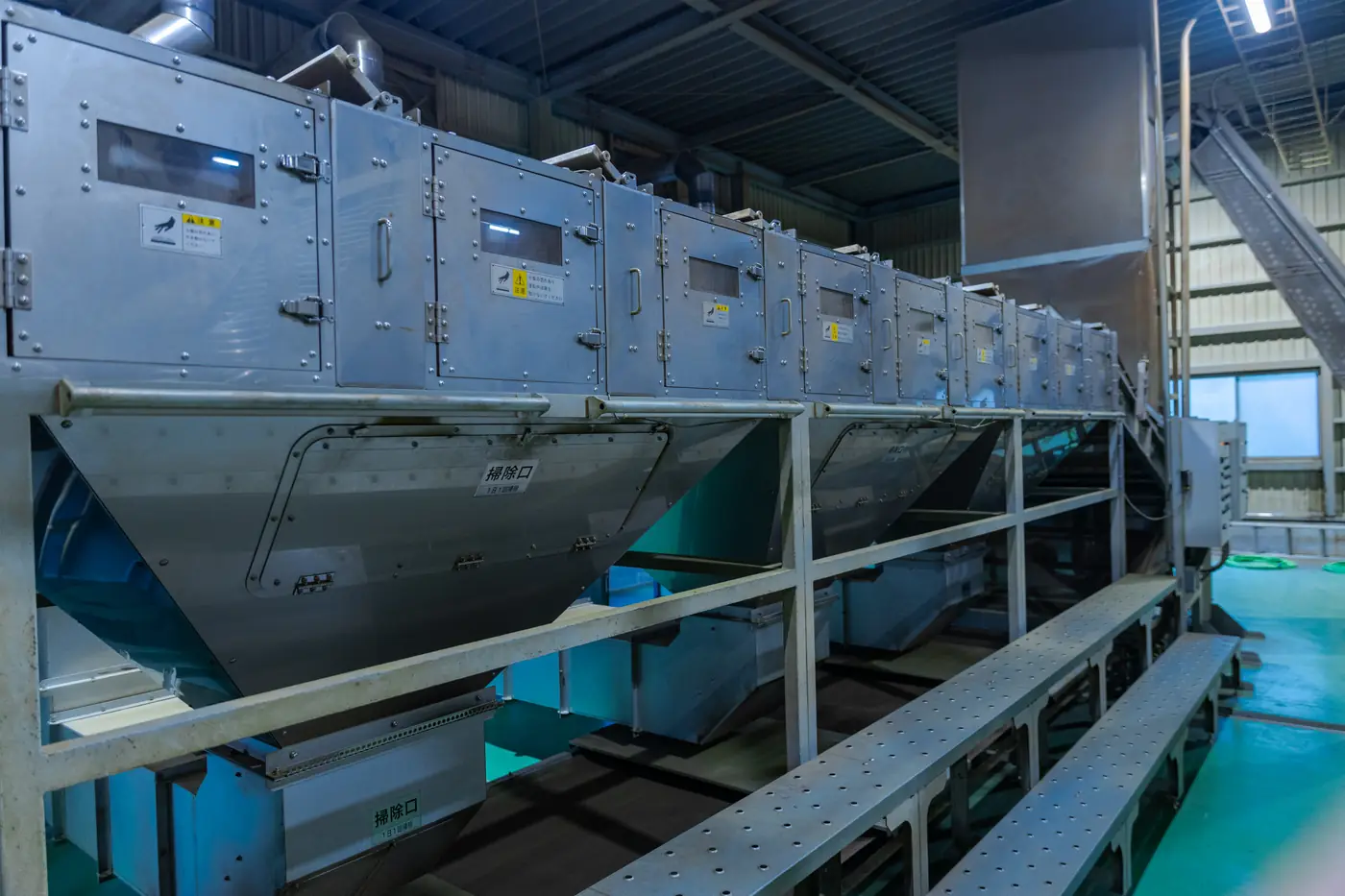
Not every region runs a public tencha auction, so we combine priced data with production and market context. This is the market-wide view a US buyer should have.
| Region | 2026 read | What the number is |
|---|---|---|
| Uji (Kyoto) | Tencha auction avg ¥14,127/kg (~1.7x), May 13 | Public auction average (HIGH) |
| Kagoshima | Season avg ¥13,910/kg (JA Economic Federation, ~2.3x); May 14 auction ¥19,095 (organic ¥20,422) | Public auction average (HIGH) |
| Nishio (Aichi) | Priced up with the market; no public auction average | Aichi made 463 t of tencha in 2025, 4th in Japan and about 7% of the national 6,278 t, grown mainly around Nishio and Toyota. Qualitative |
| Ise (Mie) | Priced up with the market | Mie made 398 t of tencha in 2025 alongside its kabusecha and sencha; no clean tencha auction average. Qualitative |
| Shizuoka | First flush ran ~2x across Feb to Jun 2026 | A leading sencha region (24,100 t of crude tea in 2025) where tencha is still small, 875 t, but rising as farmers convert. Qualitative |
| Sayama (Saitama) | Available | Body-forward, latte-leaning; Japanomars farm-direct |
| Yame (Fukuoka) | Available, demand up | Social-driven demand surge; Japanomars farm-direct |
| Ureshino (Saga) | Available | Sourcing origin, expanding |
Volume context: Japan made 6,278 t of tencha in 2025. Kagoshima produced 2,670 t, about 43% of the national total, followed by Kyoto 989 t, Shizuoka 875 t, Aichi 463 t, Mie 398 t, Miyazaki 304 t and Fukuoka 280 t (Aichi Prefecture, citing MAFF crop statistics for the 2025 crop). That is why Kagoshima's prices carry so much weight in the national picture. For a region-by-region sourcing view, see our guide to Japanese matcha regions.

Finished-matcha wholesale prices are not publicly auctioned, so we model them transparently: public tencha auction price, then milling and yield, packaging, freight, and US customs equals the landed cost before any supplier margin. This lets a buyer sanity-check any quote. We do not publish our own selling prices or margin here. Inputs use grade-appropriate auction bands, not a single average. Tencha is grossed up about 1.13x for sorting loss before milling (a yield of roughly 88 to 90%). FX ¥162/USD.
| Grade | Tencha band (source) | Milling | US-landed cost (pre-margin) |
|---|---|---|---|
| Ceremonial (Uji upper band) | ¥18,000/kg (within JA Kyoto ¥7,200 to 40,021) | stone (~¥3,000/kg) | ≈ $171/kg |
| Premium organic (Kagoshima organic) | ¥20,422/kg (Chamber of Tea organic avg) | stone (~¥3,000/kg) | ≈ $188/kg |
| Latte / culinary (lower band) | ¥8,000/kg (low-band lots) | ball (~¥800/kg) | ≈ $86/kg |
Fixed bridge items: milling and QC (grade-dependent), N2-flushed bulk kg bags (~¥500/kg), US export freight (~$20/kg, falls with order size), US duty on HTS 0902 green tea (0% general rate; green tea is also excluded from the 2026 Section 301 forced-labor tariff, see our tariff note) plus handling (~$3/kg). Customs paperwork is covered in importing matcha into the US. Buyer takeaway: once you know the tencha auction band for your grade, the landed cost is largely fixed, so ask any wholesaler to quote from the raw-leaf (tencha) cost up.
These are model figures built from the upper auction band for each grade. Actual trades move with the wholesaler, the blend and the lot size, so real finished-matcha prices, ours included, can sit above or below them.
Short answer: get the flush and the tencha band for the lot, rebuild the landed cost with the bridge above, and treat the gap between that and the quote as the supplier's margin and service. A quote you cannot rebuild is a quote you cannot compare.
Worked example (second flush, conventional): Kagoshima's July 16 average of ¥7,050/kg x 1.13 is about ¥7,970. Add ball milling and packing (¥1,300) for about ¥9,270/kg, or roughly $57/kg at ¥162. Freight and handling bring it to about $80/kg landed, before any margin. Run the same steps on the July organic average (¥9,859/kg) and you land near $100/kg, against about $188/kg for first-flush organic. That spread is the flush, not the supplier.
The model is deliberately simple, and real lots vary with blend, milling time and order size. For what each grade should taste like at its price, see matcha grades explained. For how a farm-direct chain and a trading-company chain each add cost between the auction and your door, see farm-direct vs trading company.
Japanomars' farm-direct read across the regions we work with.
| Origin | Status | Note |
|---|---|---|
| Yame (Fukuoka) | Available | Strong social-driven demand; latte-grade supply in hand |
| Uji (Kyoto) | Available, tight for new accounts | Top makers are holding limited lots for existing buyers |
| Kagoshima (Kirishima / Chiran) | Available, autumn stock thinning | Top commercial grades selling through; organic ceremonial still the market ceiling |
| Miyazaki and Kagoshima blend | Available (new, September 2026) | New tencha factory partner; blended with Kagoshima leaf |
| Ibi (Gifu) | Available | Okumidori cultivar; a lesser-known region, priced well below Kyoto |
| Shizuoka | Available (new, October 2026) | New sourcing partner for speciality-grade lots |
| Sayama (Saitama) | Available | Strong body and umami; latte-forward profile |
| Ureshino (Saga) | Available | Monthly production running for existing buyers |
Going into autumn, the tightest point is not volume but access: the upper grades of the 2026 first flush are thinning, and leading makers are choosing which new buyers to take on. Organic and single-origin ceremonial lots remain the hardest to secure, while latte-grade supply is still available across most regions.
Kagoshima ran its second tencha auction of the year on July 16, 2026, and the result is published. As far as we can find, these figures have not appeared in English anywhere else, so we are putting them here with the source named. The second flush is the band that feeds culinary and latte volume, which is the grade most cafes actually buy.
| Kagoshima 2nd tencha auction, July 16 2026 | Lots | Volume | Average | Top lot | USD avg @¥162 |
|---|---|---|---|---|---|
| Organic tencha | 27 | 2,496.4 kg | ¥9,859/kg | ¥15,911/kg | ~$61/kg |
| Conventional tencha | 15 | 1,658.5 kg | ¥7,050/kg | ¥8,329/kg | ~$44/kg |
| For reference: 1st auction, May 14 (organic) | 38 | 3,656 kg | ¥20,422/kg | ¥47,100/kg | ~$126/kg |
The wider leaf market moved the same way. Shizuoka, one of Japan's main tea markets, closed its second-flush season at levels trade press called unprecedented, and the reason given is matcha: growers keep converting fields to tencha, so ordinary sencha has gone scarce.
| Shizuoka Tea Market (Feb–Jun 2026 cumulative) | Volume | 2026 avg | vs prior yr | USD @¥162 |
|---|---|---|---|---|
| Second flush, in-prefecture leaf | 373 t (−2%) | ¥2,259/kg | +82% | ~$14/kg |
| Second flush, out-of-prefecture leaf | 230 t (−23%) | ¥2,301/kg | +86% | ~$14/kg |
| All leaf traded, Feb–Jun | 2,050 t (+12%) | ¥3,035/kg | +100% | ~$19/kg |
By the close of second-flush trading in late July, Shizuoka's season average sat in the low ¥2,000s against ¥1,204 the prior year, roughly 3.3 to 3.5 times the 2024 level, a level trade press called unprecedented. The stated driver matters more than the number: sencha is scarce because growers keep converting fields to tencha for matcha. The second flush confirms the structural story of this index rather than softening it.
Reading it as a buyer: second-flush organic tencha cleared at ¥9,859/kg against ¥20,422 for the first flush, so the second flush is roughly half the price of the spring print. That gap is the single biggest lever on a latte-grade quote, and it is why a supplier who will not tell you which flush your lot came from is not quoting you transparently. Conventional second-flush leaf at ¥7,050/kg sits close to the ¥8,000 lower band we use in the cost bridge above, which is the check that keeps that model honest.
Compiled from Japan's official tea auctions and government statistics, not our quoted prices and not hearsay. Primary sources: JA Zen-Noh Kyoto tencha auction (Uji), Kagoshima Chamber of Tea, Shizuoka Tea Market, Aichi and Mie prefectural tea statistics, and Japan's Ministry of Agriculture (MAFF). Finished-matcha bands are modeled from these public raw-material prices through the cost bridge above, never from undisclosed internal quotes. FX is a stated monthly input (¥162/USD as of July 2026), not a live tick, so the figures stay citable with an as-of date.
Published matcha price figures vary widely, and most of the spread comes from three things rather than from disagreement about the market. First, which auction: Kagoshima runs more than one tencha sale a year, and the July second-flush average is roughly half the May first-flush average, so a figure quoted without its date can be off by 2x. Second, which lot class: organic and conventional clear at different levels, and an all-lot weighted average is a third number again. Third, primary versus secondary: prices repeated from summaries drift, and the drift is rarely corrected once it spreads.
Uji is the clearest case. The ¥14,127/kg on this page is the May 13 JA Zen-Noh Kyoto tencha auction average across 375 lots. The Kyoto Prefectural Tea Industry Council separately publishes first-flush season averages for the same market by trade category, as of June 19, 2026: ¥52,086/kg for the category labeled Uji tencha (up from ¥47,096 in 2025) and ¥17,797/kg for first-pick tencha. Both are correct. They measure different lots over different cut-off dates, so quote the one that matches the tea you are buying and keep the label with the number. "Uji" in these series is the Kyoto market's trade name for the region's tencha, which is grown across southern Kyoto, not in Uji city alone.
Our rule: every figure here is taken from the auction body's own published record, and is labeled with the auction date and the lot class it refers to. Where no public auction average exists for a region, we say so and leave it qualitative rather than filling the gap with an estimate. If you find a number here that does not match a primary record, tell us and we will correct it and note the correction in the changelog.
Before any supplier margin, our model puts US-landed cost at about $86/kg for latte and culinary grade, $171/kg for ceremonial and $188/kg for premium organic, at ¥162/USD. Supplier margin, sampling and service sit on top, so quoted prices run higher. For the price bands buyers see in practice, see our wholesale buying guide.
Because the raw leaf roughly doubled. Kagoshima's first-flush tencha averaged ¥13,910/kg against ¥6,013 in 2025, and Uji's May auction averaged ¥14,127 against ¥8,235. Tencha is the largest input in finished matcha, so the increase passes through to cafe costs and then to menu prices.
About half, on this year's Kagoshima prints. Organic tencha cleared at ¥20,422/kg on May 14 and ¥9,859/kg on July 16; conventional at ¥16,853 and ¥7,050. Second flush feeds much of the latte and culinary market.
Kagoshima, by a wide margin. It made 2,670 t of Japan's 6,278 t of tencha in 2025, about 43%, ahead of Kyoto (989 t), Shizuoka (875 t) and Aichi (463 t).
They are different statistics. ¥14,127/kg is the May 13 JA Zen-Noh Kyoto tencha auction average across all lots. ¥52,086/kg is the Kyoto Prefectural Tea Industry Council's season average for the market's Uji tencha category as of June 19. Quote the one that matches your lot, with its label.
Every figure on this page is available as a machine-readable table: download the CSV (japanomars-matcha-price-index-2026-08.csv). One row per market print: region, market, statistic, lot class, auction date, ¥/kg, prior-year ¥/kg, year-on-year ratio, USD/kg at the stated FX, source and source URL. Rows are appended with each new auction print; superseded values are never deleted, so the file doubles as a time series. Snapshot date: August 19, 2026.
You are welcome to quote any figure here with attribution. Suggested citation: Japanomars (2026). US Matcha Wholesale Price & Availability Index, updated October 2026. https://www.japanomars.com/insights/matcha-price-index. Please keep the as-of date and the FX basis (¥162/USD) with any number you reuse, and link to this page rather than copying the table, since values change with each auction print.
We work farm-direct with growers in Kyoto (Uji and Joyo), Kagoshima, Shizuoka, Yame, Ureshino, Sayama and other regions of Japan, including single-origin and organic lots. Tell us your grade and monthly volume, and we will quote from the raw-leaf cost up and send samples.
Request samples & pricingHiroshi is the founder of Japanomars, which exports Japanese matcha sourced directly from growers in Kyoto, Kagoshima, Fukuoka, Saga, Saitama and other regions to cafes in the US, Canada and beyond. Every price on this page comes from a Japanese auction body's or government's own published record, read in the original Japanese. We do not publish our own selling prices or margins here.
Sources
%E7%99%BD_%E5%A4%A7%E3%81%8D%E3%81%84.png)