%E5%A4%A7%E3%81%8D%E3%81%84.png)
To buy wholesale matcha for a cafe in 2026, plan on latte grade at roughly $100 to $160 per kilogram quoted at 1kg (our current range, September 2026), with a discount at committed volume, order in tiers from a 1kg sample up to 10 to 50kg for a working cafe, allow two to four weeks lead time (eight to ten for first harvest), and buy direct from Japan to save 25 to 40% over a domestic distributor. This guide covers what wholesale and bulk matcha actually cost by grade, the minimum order quantities, lead times, the red-flag prices that signal a fake, and how to place a first order. It is the sourcing hub of our Matcha for Cafes guide.
Wholesale matcha in 2026 is priced per kilogram by grade, and the price falls as your order size rises. Our current bands, quoted at 1kg as of September 2026, are culinary about $30 to $100 per kilogram, premium latte about $100 to $160, and ceremonial about $160 to $210, with a discount at committed volume of 50 to 100kg a month. Some B2B price lists published in mid-2026 show lower contract-volume figures, but tencha prices rose sharply at the 2026 auctions, so treat those older lists with caution. Named-farm competition grade runs $450 and up.
| Grade | Our price/kg at 1kg (Sep 2026) | Committed volume | Cafe use |
|---|---|---|---|
| Culinary | $30 to $100 | Discount available | Baking, ice cream, blended |
| Premium latte | $100 to $160 | Discount available | Your latte workhorse |
| Ceremonial | $160 to $210 | Discount available | Small straight-whisked tier |
| Canister blends | From $300 | After a 1-year partnership | Signature or reserve tins |
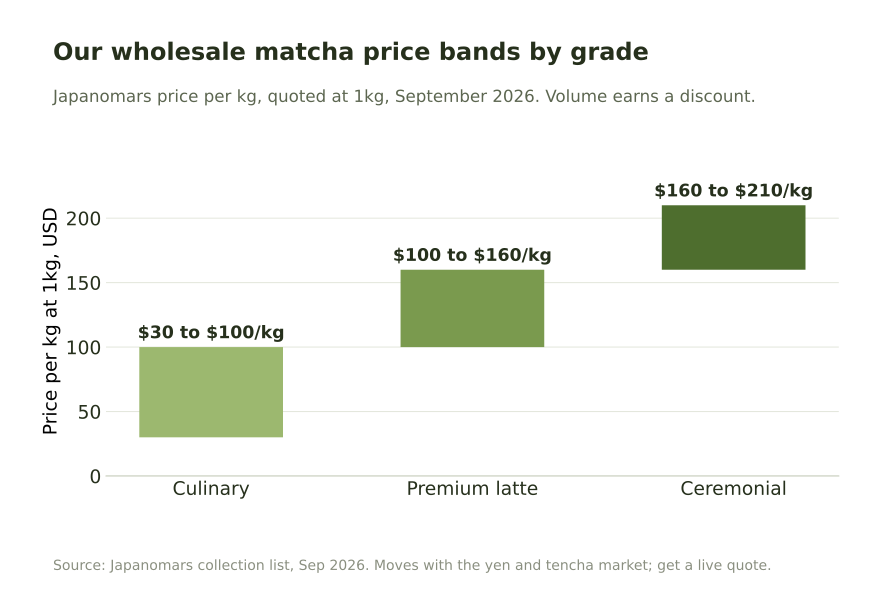
These are our own current bands, quoted in US dollars. They move with the yen and the tencha market, and industry consensus treats current pricing as the new floor, with roughly 5 to 8% annual drift expected rather than a fall back. Always get a live, landed quote for the specific grade and lot you want. For why prices climbed, see our 2026 matcha market and supply outlook.
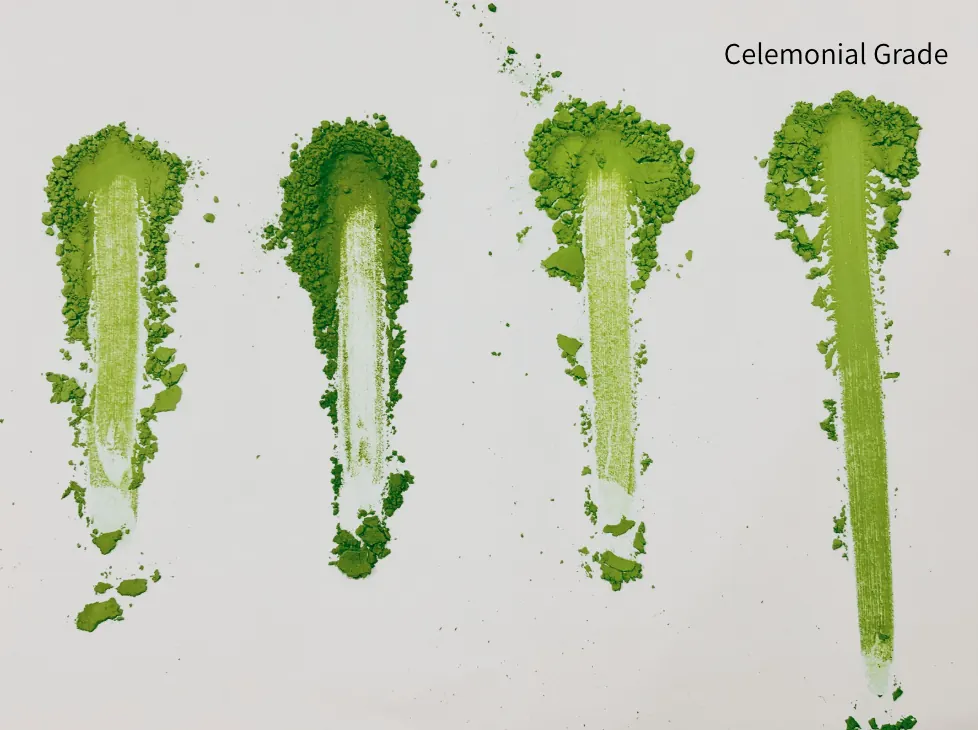
Buy premium latte grade for the bulk of your order, not ceremonial. Latte grade is built for milk drinks and runs about $100 to $160 per kilogram at 1kg in our current range, while ceremonial's delicate flavor is wasted under milk and costs more. Keep a small ceremonial quantity only if you offer a straight-whisked or premium tier.
The practical mix for most cafes is 80 to 90% latte grade, a small ceremonial allocation, and culinary only if you bake or blend. Matching grade to use is the single biggest lever on your matcha cost, bigger than haggling on price. For the grade breakdown see our matcha grades guide, and for the ceremonial tier specifically our ceremonial grade matcha for cafes guide.
Minimum order quantities are tiered, and a single-location cafe usually starts at 500g to 1kg, then moves to 10 to 50kg once the menu proves out. Reported 2026 tiers are 1 to 5kg for samples and startups at the highest per-kg rate, 10 to 50kg for a working cafe with a 5 to 10% discount, 100kg-plus for distributor-equivalent volume with 15 to 25% off, and 500kg-plus for manufacturing.
A useful anchor: 1kg of matcha is roughly 250 to 500 servings at a 1.5 to 2 gram dose, so a 20-drink-a-day cafe turns about 1kg a month. Order to a month or two of turnover rather than a single large tin, because matcha oxidizes once opened and stock that sits loses color and flavor. Start small to verify quality, then scale the reorder to lock the volume discount.
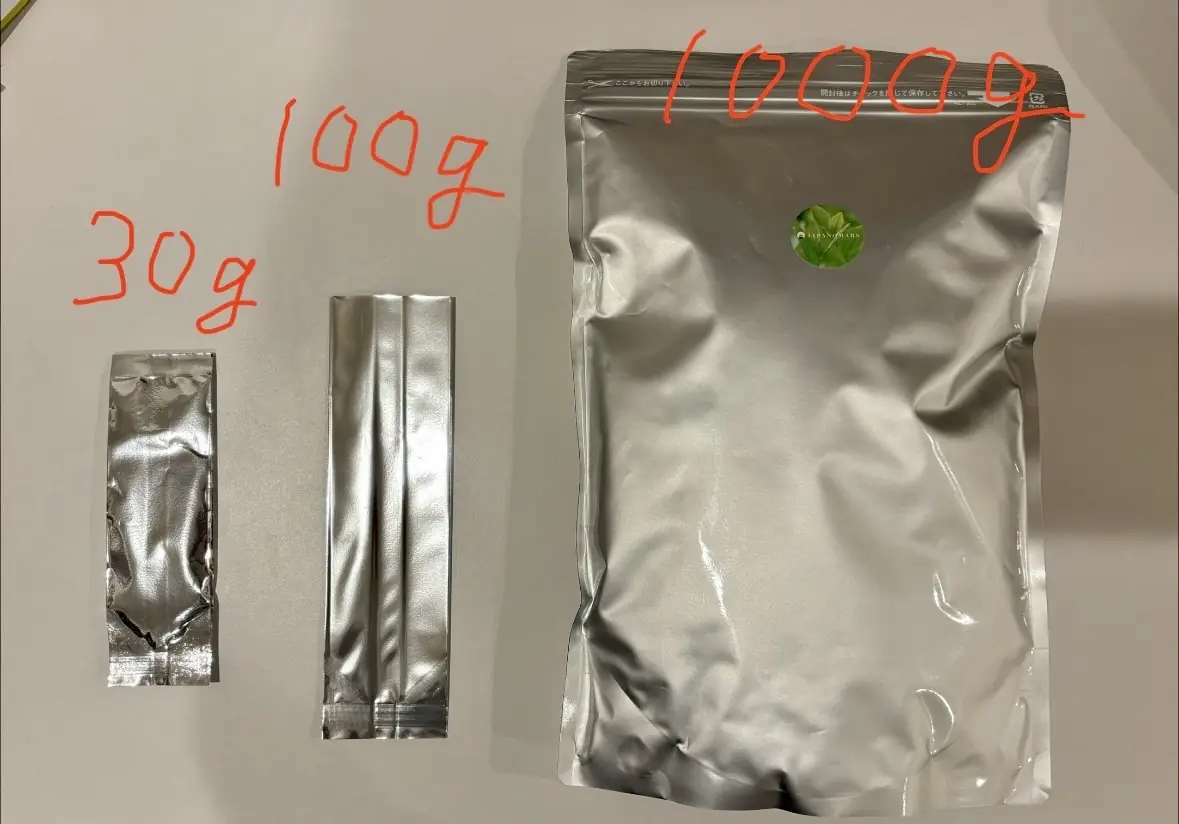
For our own wholesale pricing, at 1 kilogram we quote roughly $100 to $160 per kilogram for latte grade and $160 to $210 for ceremonial. The spread reflects that we hand-select the origin that best fits your brand, so within that range we can find something genuinely suited to you. At committed volumes of 50 or 100 kilograms a month we can offer a discount. Our MOQ is 5 kilograms. Most cafes start there and grow steadily, and even "steadily" often means the volume roughly doubling year over year across the first one to two years.
Standard wholesale lead time in 2026 runs two to four weeks, but first-harvest and reserved lots run eight to ten weeks, and a good supplier can turn a reorder in seven to fourteen business days. Lead time is an operational cost: the longer it is, the more buffer stock you carry and the more cash you tie up in a perishable powder.
Two habits keep you covered. Reserve first-harvest lots months ahead during the shortage, since the best material is spoken for early. And once you find a reliable grade, set a standing reorder cadence tied to your turnover so you never run dry mid-season or panic-buy at a premium. Continuity of supply, not the lowest spot price, is what protects a matcha program.
Buying direct from Japan saves roughly 25 to 40% versus a domestic distributor at the same grade, but a distributor buys you speed and simplicity. Direct means better price and full traceability to region and harvest; distributor means faster delivery, no import paperwork, and small top-up orders, at a markup. Many cafes run a hybrid: direct for their standing volume, a local distributor for emergency top-ups.
Your realistic routes are farm-direct, a Japanese wholesaler or trading company, or a domestic importer. Each trades off price, MOQ, lead time, and how much vetting falls on you. For the tradeoffs, see farm-direct versus trading company sourcing; for the paperwork if you import yourself, our planned US import guide; and for choosing and checking a supplier, how to find and vet a Japanese matcha wholesale supplier.
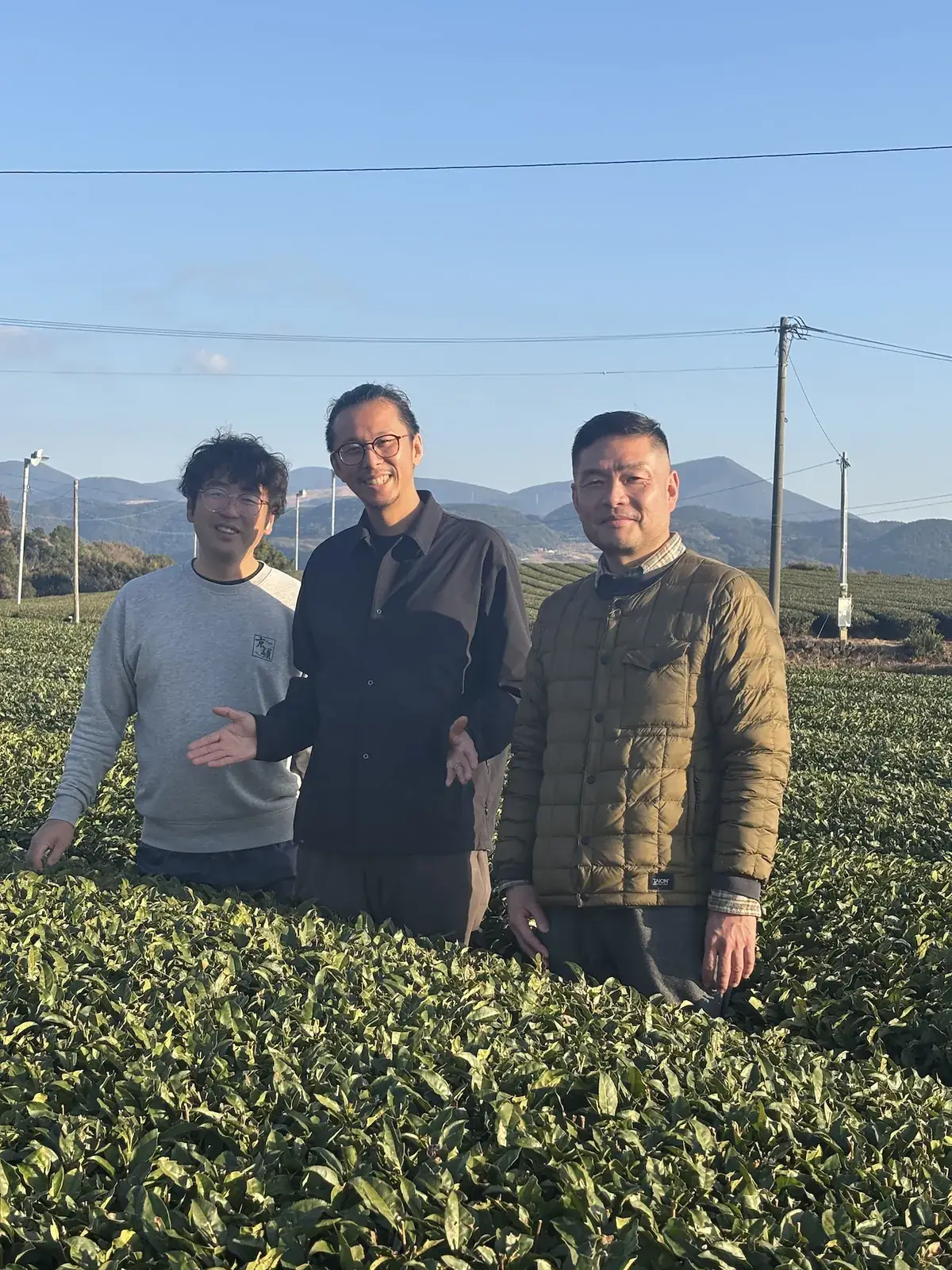
A price that looks too good is the clearest red flag in 2026, because relabeling and dilution rise when genuine supply is tight. Reported counterfeit-risk thresholds are ceremonial under about $120 per kilogram, latte under about $65, and culinary under about $35; premium latte below roughly $48 signals mis-graded or diluted product. When the raw tencha alone traded at high prices at auction, a finished "ceremonial" at a bargain simply does not add up.
Beyond price, watch for sellers who cannot name a prefecture or harvest, who will not share a recent lab or residue report, or who only offer a generic marketing sample rather than the actual lot. Genuine wholesale is boringly transparent about origin, grade, and testing. If it is vague or suspiciously cheap, treat it as culinary at best.
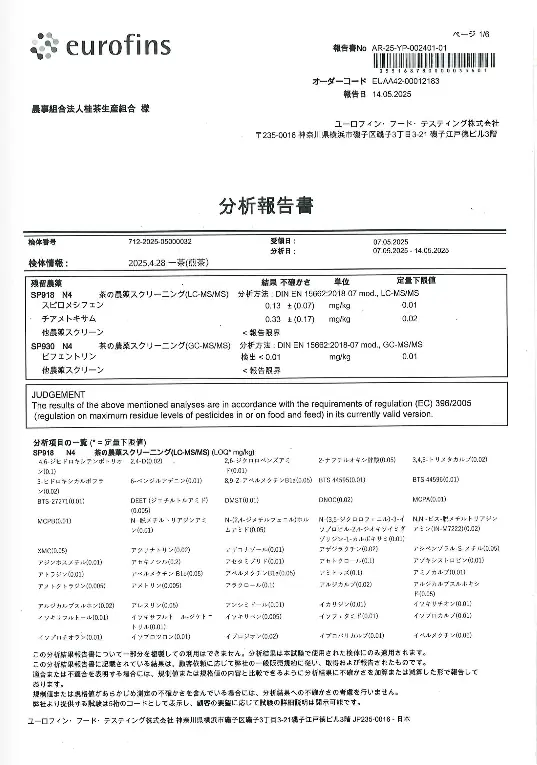
Place a small, well-vetted first order, taste the exact lot, then scale to your volume tier. The goal of the first order is to verify quality and the supplier, not to save money, so keep it to 1kg or a sample and run this checklist before you commit to volume.
Get this right once and wholesale matcha becomes a predictable line item instead of a monthly scramble. Pair a reliable latte grade for volume with a small ceremonial tier, route both through one vetted supplier, and revisit pricing each quarter as the market drifts.
Our current bands, quoted at 1kg as of September 2026: culinary about $30 to $100, premium latte $100 to $160, and ceremonial $160 to $210 per kilogram, with a discount at committed volume. Named-farm competition grade runs $450 and up. Prices move with the yen and the tencha market, so always get a live landed quote for the specific grade and lot.
Tiered. A single-location cafe usually starts at 500g to 1kg, then moves to 10 to 50kg once the menu proves out. Distributor-equivalent volume begins around 100kg. Order to a month or two of turnover rather than one large tin, since matcha oxidizes once opened.
Yes, direct from Japan saves roughly 25 to 40% versus a domestic distributor at the same grade, plus full traceability to region and harvest. A distributor costs more but delivers faster with no import paperwork. Many cafes buy direct for standing volume and use a local distributor for top-ups.
Standard lead time is two to four weeks, but first-harvest or reserved lots run eight to ten weeks. A reliable supplier can turn a reorder in seven to fourteen business days. Reserve first-harvest early and set a standing reorder cadence so you never run dry.
Suspiciously low prices signal mis-grading or dilution. Reported 2026 red-flag thresholds are ceremonial under about $120 per kilogram, latte under about $65, and culinary under about $35. If a ceremonial is a bargain when raw tencha traded high at auction, it usually is not what the label says.
Sourcing or re-sourcing matcha for your cafe in 2026? We supply cafes on long-term contracts, not one-off orders. Ask for a sample set with current per-kilogram pricing by grade and order tier, plus region and harvest details.
Request samples & pricingHiroshi Asami is the founder of Japanomars, which sources premium matcha directly from farms across Japan (Kyoto, Sayama, Ibi, Ureshino, Yame, Kirishima, and Chiran) and supplies specialty cafes abroad. Price bands are from Japanomars' current collection list (September 2026). Other sources: 2026 MOQ tiers as reported by First Agri B2B and other matcha suppliers; 2025 Kyoto and Kagoshima tencha auction results; Global Japanese Tea Association shortage context. Get a live landed quote before ordering.
%E7%99%BD_%E5%A4%A7%E3%81%8D%E3%81%84.png)