
Wholesale · Singapore · 2026
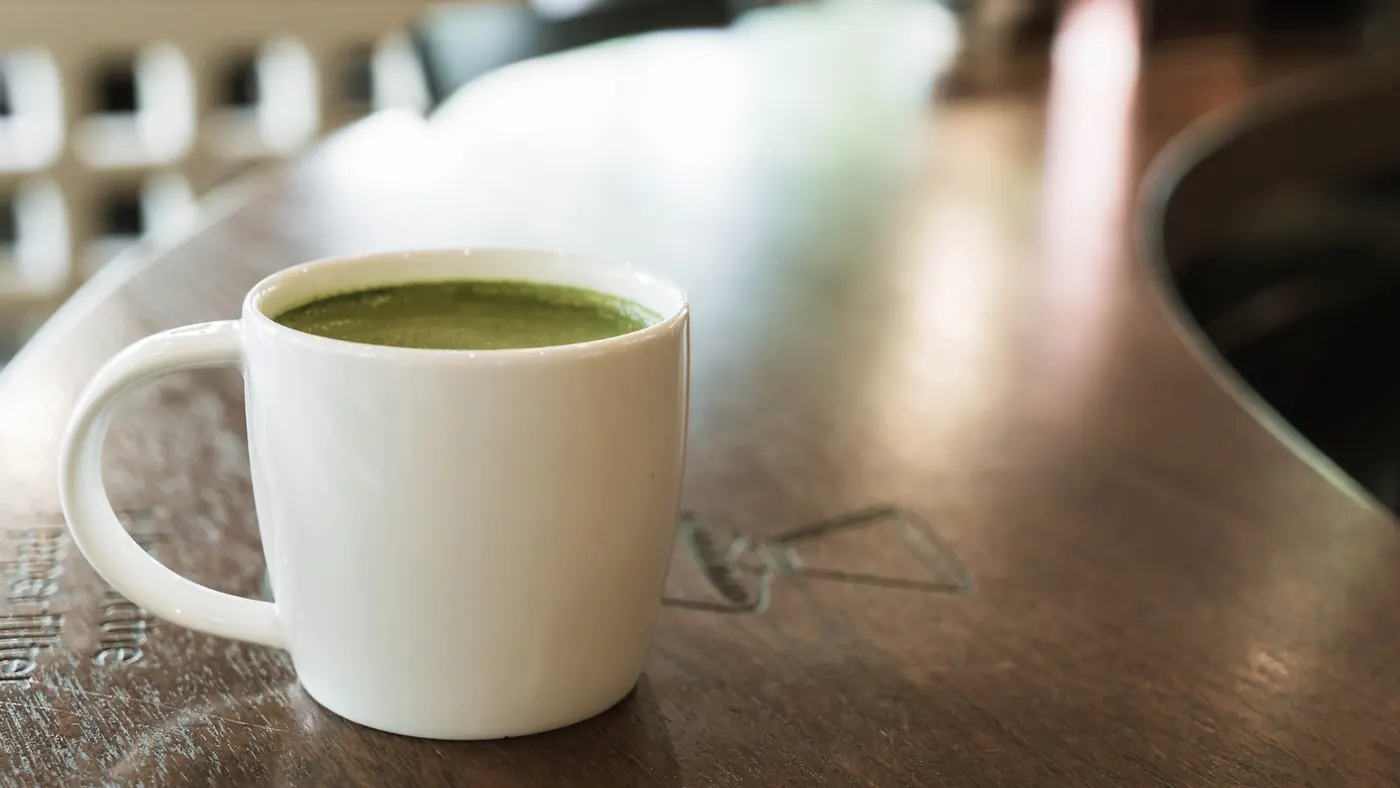
We supply Japanese matcha to cafes in Singapore from 5 kg per order, milled after you order in Japan. Singapore is one of the shortest routes we ship: Japan Post lists 2 days by EMS from Tokyo, and tea is not on Singapore’s short list of dutiable goods. What a cafe has to plan for is not the tax but the paperwork on its own side: every food import needs a registered importer and a permit for that shipment, samples included. This page walks through both, plus the label rules that changed in January 2026.
Key takeaways
Japanomars at a glance
In this guide
Singapore Customs keeps a short list of dutiable goods: intoxicating liquors, tobacco products, motor vehicles, and petroleum products and biodiesel blends. Everything else, green tea included, is non-dutiable. That means there is no free trade agreement to claim and no certificate of origin to arrange for Singapore. The Japan-Singapore agreement, ASEAN-Japan and RCEP all exist, but with no duty to reduce they change nothing for matcha.
GST is the number that matters. Singapore charges 9% GST on imports, worked out on the CIF value plus any duty and charges, and it is paid at import whether or not the importer is GST-registered. A GST-registered importer named on the permit can then claim it back as input tax.
| What | Singapore |
|---|---|
| Customs duty on green tea (HS 0902.10, 0902.20) | None: tea is not dutiable |
| GST on import | 9% of CIF value plus charges |
| Parcels by air or post, CIF S$400 or less | No GST at import |
| Certificate of origin | Not needed for duty |
| Who clears the shipment | The importer named on the TradeNet permit |
Sources: Singapore Customs and IRAS, checked November 8, 2026.
In Singapore the control on food sits with the Singapore Food Agency, not with the tax. SFA’s rules for commercial imports are short and strict:
For a cafe this is a smaller hurdle than in many of our markets. Some cafes register as importers themselves; others buy through a Singapore distributor or have a forwarder file the permit for them. Whichever business is named on the permit is the importer, and that is the name we put on the parcel and the invoice.
Singapore’s new Food Safety and Security Act is being brought into force in stages from November 2025. SFA has not yet set a date for the parts on import licensing, so your importer should check SFA’s page before the first order.
Parcels arriving by air or post with a CIF value of S$400 or less are not charged GST at import. A small top-up order may fall under that line. A regular 5 kg order of matcha will not, so plan for the 9% on bulk orders.
The line is about tax only. Singapore Customs is clear that a parcel sent by post or courier still needs any import permit or approval its contents require, whatever its value. For food, that is the SFA permit above.
This is the step that surprises cafes. SFA says that a business receiving food or food samples by parcel post is still importing for commercial purposes, so samples need a registered importer and a permit, just like a bulk order.
What helps is the trade sample procedure at Singapore Customs. Samples of non-dutiable goods with a CIF value of S$400 or less come in without GST, if the invoice marks them as trade samples and they are not sold or put to normal use. Our invoice will say "trade samples" and show the actual value.
So for Singapore there are two ways to get samples:
The sample cost comes off your first bulk order if you place it within a month of the samples arriving.
Japan Post’s conditions for Singapore have one line that matters for matcha: processed food with a gross weight over 5 kg and a value over S$100 needs permission from the Singapore authority before it is sent. A 5 kg order, packed in its box, goes over both.
In practice your importer’s TradeNet permit is that permission, and it is needed for every food shipment anyway. We ask for the permit details before we post a bulk order, and we put the same product description and importer name on the customs invoice.
Singapore’s Food Regulations require prepacked food to be labelled in English. For imported food, the label carries:
Send us your importer’s name and address and we print them on the bag label with the lot number and "Product of Japan".
SFA also notes that the labelling rules apply to prepacked food, and that food supplied to food manufacturers or food services as an ingredient for further processing is not treated as prepacked food. A 1 kg bag that a cafe whisks into drinks may fall under that, but it is your importer’s call with SFA, not ours. Retail tins sold on a shelf need the full label.
Singapore’s Food Regulations define tea as the leaves and leaf buds of Camellia sinensis prepared by the usual trade processes, with total ash between 4% and 7% and at least 30% water extract. If your importer wants test results for a lot, ask us before you order. Which reports are available differs from producer to producer.
For pesticide residues, the Food Regulations set their own limits in the Ninth Schedule and fall back on the Codex Alimentarius limits where there is none.
One thing you do not need to plan for: Singapore lifted its import restrictions on Japanese food, put in place after 2011, on May 28, 2021.
Japan Post puts Singapore in EMS zone 2 (Asia outside China, Korea and Taiwan), so a parcel of around 5 kg costs 8,150 yen at the published rate. Its delivery-day table lists 2 days from Tokyo to Singapore, not counting the day of posting, which makes Singapore one of the fastest destinations we ship to. Japan Post notes this is a standard figure, and clearance can add time.
Because we mill after you order rather than ship from a warehouse, allow 2 to 4 weeks from order to delivery, shipping included, and 8 to 10 weeks around the first harvest in spring. Registration and the permit come on top, so start those early. Our dosing chart turns drinks per day into kilograms per month.
What you get from us is not one farm but access to many. We are connected with farms all over Japan, including the Uji area of Kyoto, and we choose each one ourselves: we visit, we look with our own eyes, and we taste the samples before deciding which farms are the right fit for cafe owners.
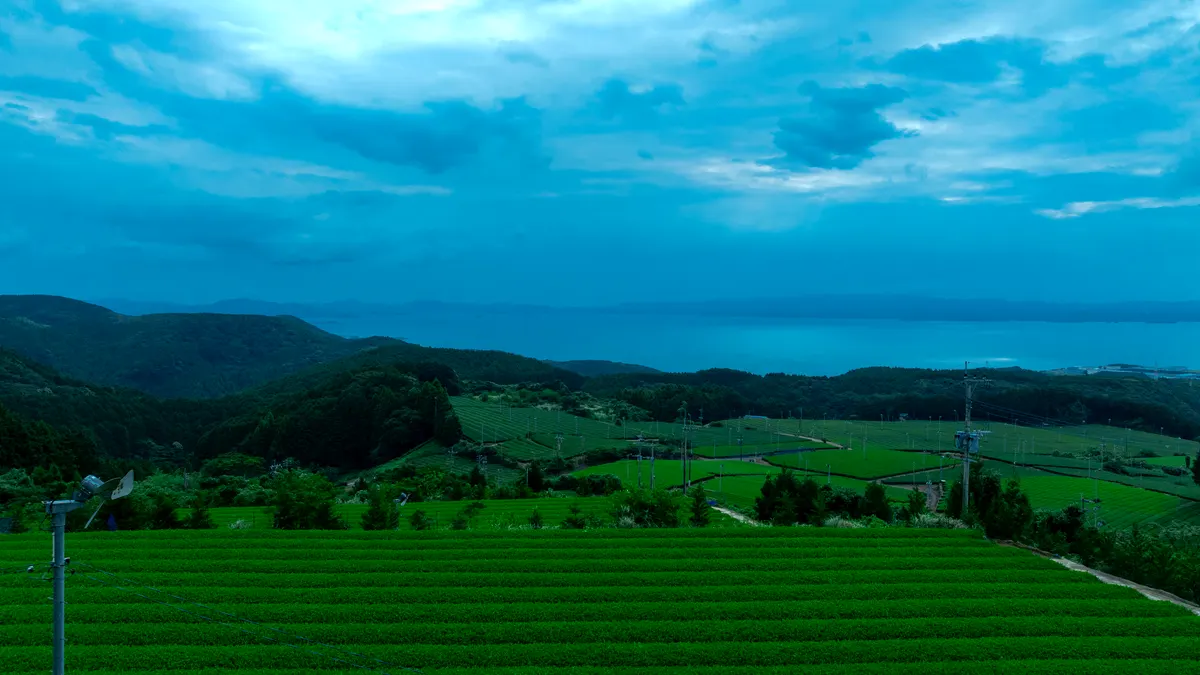
We then help connect you directly with those farmers, which gives your brand a real story to tell. And we can invite you to each of those farms on a farm tour.
See who grows our matcha on the farmers and regions page, and compare grades on our collection list.
Tell us your drinks per day, what you pour now, and who will import. We will pick lots that fit your menu and send samples the way that works for your setup. The sample cost comes off your first bulk order if you place it within a month of the samples arriving.
Shipping somewhere else? See our wholesale guides for the United States, Canada, the Philippines, Europe, the United Kingdom, Australia and New Zealand, the UAE, Kuwait, Oman and Bahrain, Saudi Arabia, Thailand, India, Mexico, Malaysia, Indonesia, and Hong Kong.
Singapore Customs charges duty only on liquor, tobacco, motor vehicles and petroleum products, and green tea is not among them. Imports are charged 9% GST on the CIF value plus charges, except parcels by air or post with a CIF value of S$400 or less.
Whoever imports food for sale registers with the Singapore Food Agency and applies for an import permit through TradeNet for every consignment. A cafe can do this itself, or buy through a distributor or a forwarder that files the permit.
Yes. SFA treats food samples received by parcel post as commercial imports. Trade samples of non-dutiable goods valued at S$400 or less come in without GST, but the permit is still needed.
English, the food name, net weight, the local importer’s name and address, the country of origin and, since January 30, 2026, a lot number. Send us your importer’s details and we print them on the bag.
Japan Post lists 2 days from Tokyo and charges 8,150 yen for a parcel of around 5 kg (zone 2). Because we mill to order, allow 2 to 4 weeks from order to delivery, shipping included, and 8 to 10 weeks around the first harvest. Registration and permits are not included.
No. The import permit is in the importer’s name, so the importer clears the shipment and pays the GST. We prepare the customs invoice and packing list, with the importer’s details and the same product description as the permit.
5 kg per order in total, the same everywhere we ship, and you can mix grades. It can be split into sealed 1 kg bags.
Hiroshi Asami is the founder of Japanomars, which exports Japanese matcha to cafes in the United States, Canada, the Philippines and Europe. He sources through direct relationships with growers and processors across Japan, including the Uji area of Kyoto.
Sources