%E5%A4%A7%E3%81%8D%E3%81%84.png)
Wholesale · Philippines · 2026
We ship Japanese matcha from Japan to cafes and roasters in the Philippines, from 5 kg per item, milled to order. Buyers here reach us in three different ways, and the route decides what you pay and how long you wait. This page walks through the routes first, then Philippine customs, FDA rules and timing.
Key takeaways
In this guide
Most suppliers offer one way to ship. In the Philippines we use three, because the buyers we work with are set up differently: some want a parcel at the door, some already run cargo out of Japan, and some have an agent who flies their goods in.
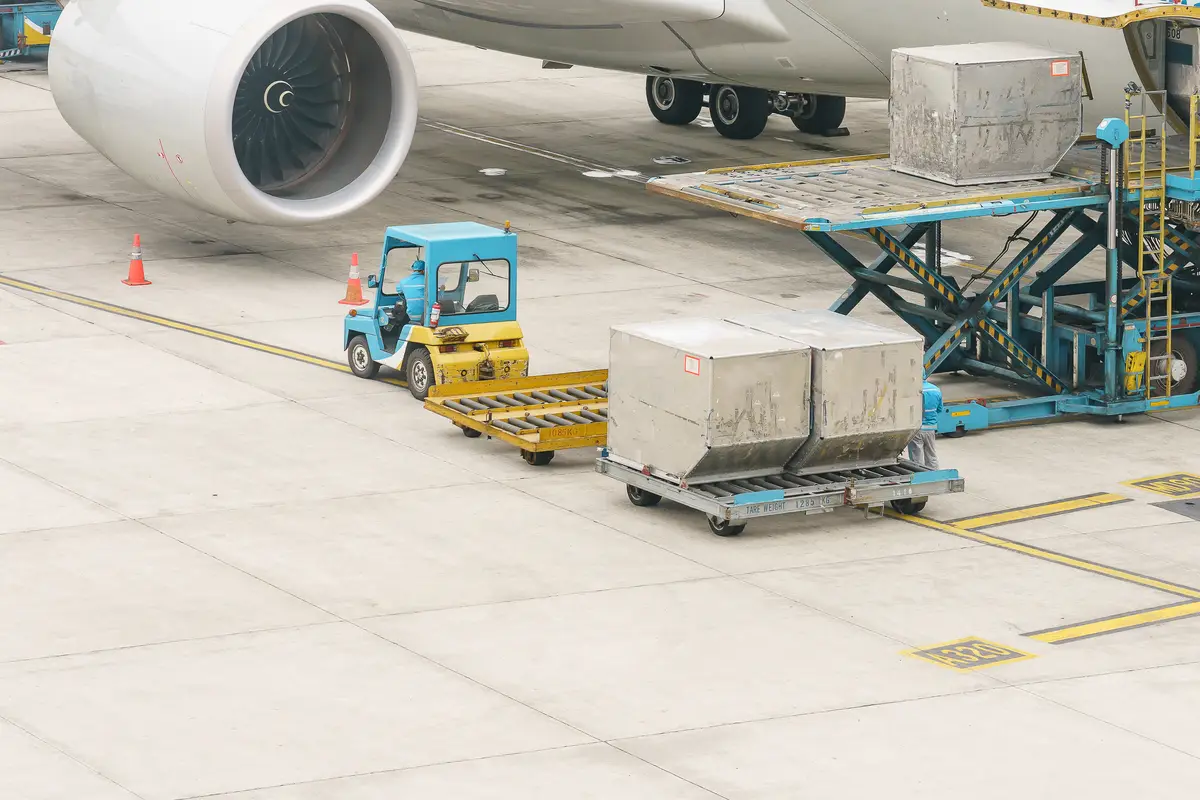
Shipping from Japan to the Philippines is cheaper than to any other market we serve. Japan Post puts the Philippines in its zone 2, so a 5 kg EMS parcel costs a little over half of what the same parcel costs to the United States.
| Item | Amount | Source |
|---|---|---|
| Latte grade matcha | About $100 to $160 per kg, quoted at 1 kg | Our collection list |
| Ceremonial grade matcha | About $160 to $210 per kg, quoted at 1 kg | Our collection list |
| EMS to the Philippines, parcel of around 5 kg | 8,150 yen | Japan Post published EMS rate (zone 2) |
| Sample shipping | US$25 flat | Our terms |
| Duty and VAT on EMS | Settled by us (DDP); nothing collected on delivery | Our terms |
| To your forwarder in Japan | Domestic shipping inside Japan only | Our terms |
| Collected by your agent (EXW) | No shipping from us; your agent quotes the air freight | Our terms |
Yen amounts are converted at the exchange rate on the day of the invoice. Figures as of September 2026.
The Bureau of Customs does not collect duties or taxes on goods with an FOB or FCA value of PHP 10,000 or below. A set of sample bags normally sits under that line. Our August 2026 sample parcel to La Union cleared customs the morning it landed, with PhP 0.00 to pay.
A bulk order goes over it, and then two numbers matter:
The Food and Drug Administration of the Philippines treats an importer as any establishment that brings in raw materials, ingredients or finished products, for its own use or for wholesale. A cafe importing matcha for its own drinks is included. Importing food needs a License to Operate (LTO) as a food importer, distributor or trader, and an FDA import permit is issued only against a valid LTO.
If you plan to sell matcha in retail packs, the product itself may also need a Certificate of Product Registration (CPR), which only a Philippine LTO holder can file. Buyers usually handle these steps through their own licence, a licensed importer or their cargo agent, so ask yours which applies to your case before the first bulk order.
Japan Post lists EMS from Tokyo at 12 days to Manila and 14 days to the rest of the country. Our own August 2026 sample moved faster than that: posted on August 10, in the Philippines on August 14, at the local post office on August 17.
Then it stopped. The post office held it for pick-up instead of delivering it, and the tracking page was the only place that said so. If you are outside Metro Manila, check the tracking once the parcel clears customs, and collect it rather than wait at the door.
Because we mill after you order, allow 2 to 4 weeks from order to delivery, shipping included, and 8 to 10 weeks around the first harvest in spring. On the agent route the clock depends on your agent: the matcha is milled for your order, so book the pickup when you pay, not after. Fresher powder in the cup is the whole reason to buy direct.
What you get from us is not one farm but access to many. We are connected with farms all over Japan, including the Uji area of Kyoto, and we choose each one ourselves: we visit, we look with our own eyes, and we taste the samples before deciding which farms are the right fit for cafe owners.
We then help connect you directly with those farmers, which gives your brand a real story to tell. And we can invite you to each of those farms on a farm tour.
In the Philippines we are in conversation with cafes from La Union and Laguna to Quezon City, Cebu, Iloilo, Boracay and Davao. See who grows our matcha on the farmers and regions page, and compare grades on our collection list. Our dosing chart turns iced drinks per day into kilograms per month.
Tell us your drinks per day, what you pour now, and which route suits you. We will pick lots that fit your menu and send samples. The sample cost comes off your first bulk order if you place it within a month of the samples arriving.
Shipping somewhere else? See our wholesale guides for the United States, Canada, Europe, the United Kingdom and Australia.
The general (MFN) rate on green tea under AHTN 0902.10.90 and 0902.20.90 is 3% in 2026. Tea of Japanese origin can enter at 0% under PJEPA, AJCEP or RCEP. Shipments with an FOB value of PHP 10,000 or less pay no duty or VAT at all. On EMS we ship DDP, so nothing is collected at your door.
Yes. We have sent samples to a Philippine cafe’s forwarder in Osaka, and only domestic shipping inside Japan applies. The forwarder then consolidates and sends it on with your other cargo.
Yes. For larger lots we prepare the invoice and packing list, and your agent collects from the pickup point in Japan and flies it to the Philippines. A Manila coffee group buys 50 kg lots this way.
Japan Post lists 12 days from Tokyo to Manila and 14 days elsewhere. Our August 2026 sample reached the Philippines in four days and the local post office in seven. Allow 2 to 4 weeks from order to delivery, shipping included, and 8 to 10 weeks around the first harvest.
5 kg per item, the same as everywhere we ship. It can be split into sealed 1 kg bags.
Hiroshi Asami is the founder of Japanomars, which exports Japanese matcha to cafes in the Philippines, the United States, Canada and Europe, sourcing through direct relationships with growers and processors across Japan, including the Uji area of Kyoto.
Sources
%E7%99%BD_%E5%A4%A7%E3%81%8D%E3%81%84.png)