%E5%A4%A7%E3%81%8D%E3%81%84.png)
Wholesale · UAE and Kuwait · 2026
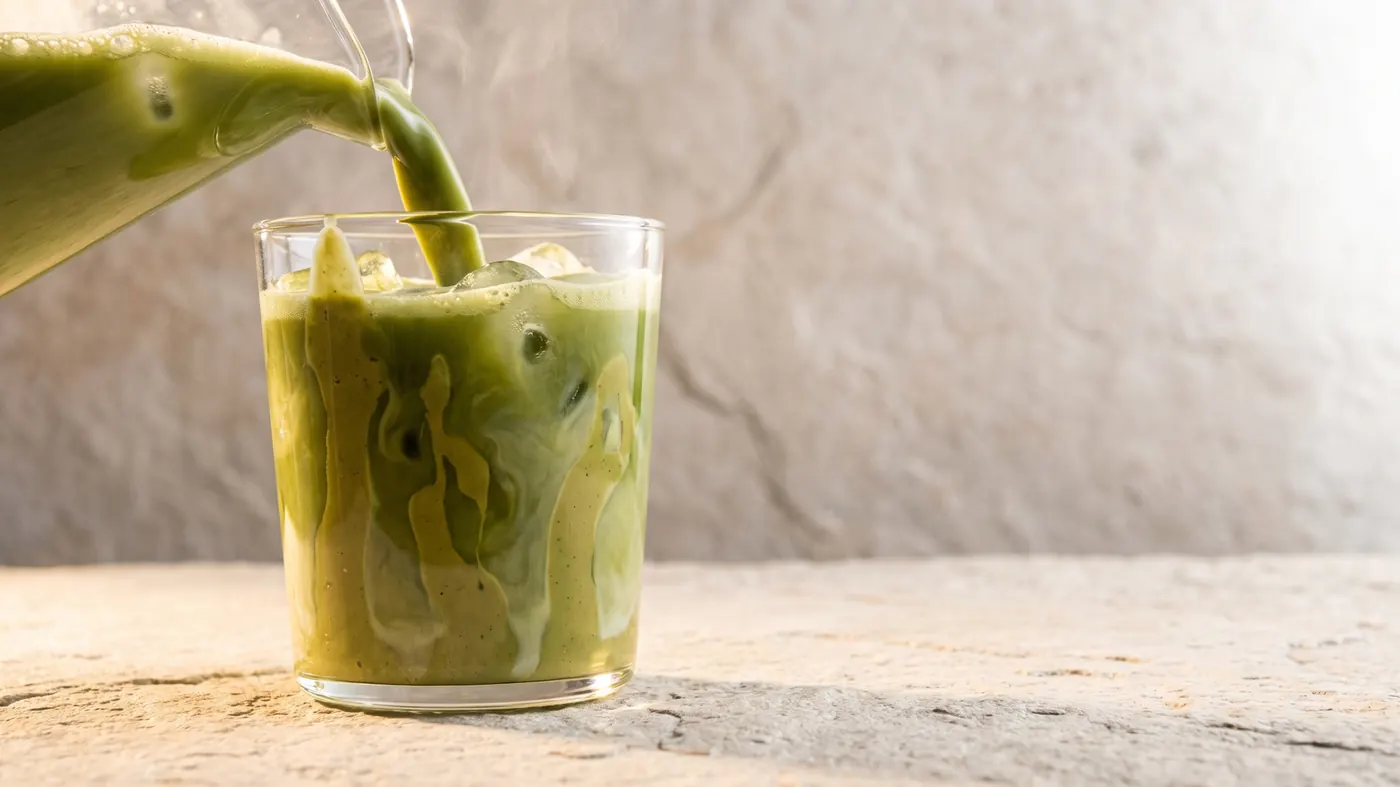
We supply Japanese matcha to cafes from 5 kg per order, milled to order in Japan, and ship it to the UAE and Kuwait by EMS with the duty and any VAT settled on our side. Before ordering, Gulf cafe owners usually ask three things: is there duty on tea, who pays the VAT, and does the matcha have to be registered before it can come in. This page answers those for the UAE and Kuwait, using the published tariff and the food authorities’ own rules.
Key takeaways
Japanomars at a glance
In this guide
The UAE and Kuwait are both in the GCC customs union, so they apply one common customs tariff. Most goods in that tariff carry a 5% duty on the CIF value, which is why many guides simply say “5% on everything”. The tariff has many lines at 0%, though, and tea is one of them.
Those rates are from the 2022 GCC integrated customs tariff as published by Dubai Customs, the 12 digit schedule the GCC states moved to. For the UAE that is the rate we rely on. For Kuwait we could not open the Kuwait customs tariff search from Japan to check the national line, but Kuwait applies the same common tariff and its national exceptions lower duty on basic foods rather than raise it. If you import on your own account, ask your clearing agent to confirm the line on the first declaration.
One more number you may hear about: under Customs Circular No. 16/2026, issued on July 30, 2026, Dubai Customs waives duty on e-commerce shipments up to AED 1,000 of CIF value, up from AED 300. It does not change anything for matcha, which is already at 0%, and it does not remove the VAT.
The two countries share the tariff but not the tax. Here is what a cafe in each country pays on top of the matcha, and what the paperwork looks like.
| Item | UAE | Kuwait |
|---|---|---|
| Latte grade matcha | About $100 to $160 per kg, quoted at 1 kg | |
| Ceremonial grade matcha | About $160 to $210 per kg, quoted at 1 kg | |
| EMS, parcel of around 5 kg | 13,000 yen (zone 3) | 13,000 yen (zone 3) |
| Sample shipping | US$25 flat | |
| Customs duty, 0902.10 and 0902.20 | 0% (GCC common tariff) | 0% (GCC common tariff) |
| Import VAT | 5% on the import value, settled by us (DDP) | None. Kuwait has no VAT |
| Collected at your door | Nothing (DDP) | Nothing (DDP) |
| Food paperwork on your side | Product registration and label assessment by a UAE importer (ZAD; FIRS or ZADI in Dubai) | Trade licence or import permit; health certificate from the country of origin; clearance request in Raqeb |
Yen amounts are converted at the exchange rate on the day of the invoice. Sources are listed at the end of this page. Figures as of October 2026.
In the UAE, VAT on an import is worked out on the customs value including freight and insurance, plus any duty. A cafe registered for VAT would normally account for it in its VAT return through the reverse charge. With DDP you do not have to deal with either, because we settle it before the parcel reaches you.
In the UAE the step that takes time is not customs. It is registering the product. Food sold in the UAE is registered by a UAE importer before it is imported, and its label is assessed against the UAE labelling rules.
What this means for a cafe depends on your setup. If your company already imports food under its trade licence, you or your clearing agent can register the matcha yourselves. If not, a licensed food importer or distributor in the UAE can register it and import it for you, and you buy from them. Tell us which route you use before we pack, so the bag sizes and label details match what was registered.
Two details make this lighter for a cafe. Products for institutional use, which is matcha poured behind the counter rather than sold in retail packs, are accepted without an Arabic translation on the label, though they cannot then go on a retail shelf without one. And samples are generally exempt from local labelling and shelf life rules, if they are marked as samples and not for sale.
In Kuwait, imported food is controlled by the Public Authority for Food and Nutrition (PAFN) under Ministerial Resolution No. 6 of 2023 on imported food, in force since September 1, 2023. Where the UAE asks you to register the product first, Kuwait puts most of the weight on the documents that travel with each shipment.
Samples have their own rule. Marketing samples that are not for sale can come in with health documents and a label that clearly says “Free Sample”. Food for personal use is allowed in small quantities, with the person’s details recorded and a written pledge that it will not be sold.
Since the health certificate is the document most cafes have not dealt with before, ask your clearing agent which form PAFN expects for tea before the first bulk order. We will work out the paperwork with you before anything leaves Japan.
Japan Post puts the UAE and Kuwait in EMS zone 3, the same zone as Europe and Canada, and accepts EMS to both. Its delivery-day table from Tokyo lists 9 days to the UAE, not counting the day of posting. Kuwait is not in that table, so ask us for a current estimate when you order.
A sample parcel we sent to Dubai in August 2026, by Japan Post’s small packet service rather than EMS, reached Dubai customs 9 days after it left Tokyo. The first delivery attempt was the following day. Nobody was in, so it waited at the local post office until it was collected. If you are expecting a parcel from us, keep the tracking number handy and watch for a call or message from the post office.
The shipping time is the shorter part. Because we mill after you order rather than ship from a warehouse, allow 2 to 4 weeks from order to delivery, shipping included, and 8 to 10 weeks around the first harvest in spring. Our dosing chart turns drinks per day into kilograms per month.
What you get from us is not one farm but access to many. We are connected with farms all over Japan, including the Uji area of Kyoto, and we choose each one ourselves: we visit, we look with our own eyes, and we taste the samples before deciding which farms are the right fit for cafe owners.
We then help connect you directly with those farmers, which gives your brand a real story to tell. And we can invite you to each of those farms on a farm tour.
Organic matcha from Kagoshima is available. If you want to sell it as organic in the UAE or Kuwait, tell us at the start so your importer can check the local organic rules before the label is registered.
See who grows our matcha on the farmers and regions page, and compare grades on our collection list.
Tell us your drinks per day and what you pour now. We will pick lots that fit your menu and send samples by EMS. The sample cost comes off your first bulk order if you place it within a month of the samples arriving.
Shipping somewhere else? See our wholesale guides for the United States, Canada, the Philippines, Europe, the United Kingdom, and Australia.
No. The GCC common customs tariff lists green tea under 0902.10 (packs of 3 kg or less) and 0902.20 (larger packs) at 0%. The 5% figure often quoted is the general GCC rate for most other goods. We ship DDP, so any charges at import are settled on our side.
In the UAE, imports carry 5% VAT, worked out on the customs value including freight. We ship DDP, so we settle it and nothing is collected at your door. Kuwait has no VAT.
For sale in the UAE, yes. A UAE importer registers the product and has its label assessed through ZAD, or through FIRS or ZADI in Dubai, and labels need Arabic. A supplier in Japan cannot do this for you. Matcha used behind the counter rather than sold in retail packs is accepted without an Arabic translation on the label, and samples marked not for sale are generally exempt from labelling rules.
Pure matcha is a plant product with no animal ingredients. Kuwait’s import rules ask for a halal certificate for meat and poultry and for foods with ingredients of animal origin, and the UAE asks for one for meat products. For Kuwait, the document to plan for is the health certificate from the country of origin.
The minimum is 5 kg per order in total, the same everywhere we ship, and you can mix grades. Japan Post lists 9 days by EMS from Tokyo to the UAE. Because we mill to order, allow 2 to 4 weeks from order to delivery, shipping included, and 8 to 10 weeks around the first harvest.
Hiroshi Asami is the founder of Japanomars, which exports Japanese matcha to cafes in the United States, Canada, the Philippines and Europe and ships to cafes in the UAE and Kuwait. He sources through direct relationships with growers and processors across Japan, including the Uji area of Kyoto.
Sources
%E7%99%BD_%E5%A4%A7%E3%81%8D%E3%81%84.png)