%E5%A4%A7%E3%81%8D%E3%81%84.png)
The best wholesale matcha supplier for a US cafe in 2026 is the one that can actually commit to your volume, because availability, not brand, is the constraint this year. Ippodo has paused new US wholesale applications, Mizuba runs a waitlist, and the auction price of tencha, the leaf matcha is ground from, roughly doubled in Japan this spring. Larger importers such as Aiya, Rishi, and Jade Leaf remain open and dependable for standard grades, while farm-direct exporters make sense once you pour enough matcha to care about allocation, provenance, and cost per kilogram. One disclosure before we start: Japanomars is a farm-direct exporter, so we compete in one of the categories below. We have kept the comparison factual and sourced so you can judge for yourself.
Key takeaways
US cafes buy wholesale matcha through three channels: US-based brand importers such as Aiya America, Rishi, and Jade Leaf; specialty importers with curated cafe programs such as Kettl and Mizuba; and farm-direct exporters in Japan who ship to your door. Each channel trades convenience against cost, provenance, and allocation security.
Brand importers hold inventory in US warehouses, so reorders arrive in days and you never touch customs paperwork. Specialty importers sit between the two: smaller catalogs, closer producer relationships, and more hand-holding on quality. Farm-direct exporters connect your cafe to named farms and mills in Japan, which means better provenance and pricing but an international shipment to manage. We compared the structural differences between going direct and buying through a trading company in our farm-direct versus trading company guide.
In a normal year you would choose on price and taste. In 2026 the first question has become simpler and harsher: who will actually take your account and keep supplying it?

For a wider view, our comparison of 50 matcha wholesale suppliers puts minimum order, price, samples, delivery, origin and lab testing side by side for cafes in seven markets, with a source link for every entry. It is checked every month.
Among the widely used names, Aiya America and Rishi publish clear wholesale terms and ship from US warehouses, Jade Leaf has no minimum order on its cafe site, Kettl takes wholesale inquiries through a form, Ippodo is not accepting wholesale applications in the US and Canada, and Mizuba accepts applications but puts them on a waitlist.
Aiya, founded in 1888 in Nishio, is one of the largest matcha producers in the world and supplies powder to cafes, foodservice and manufacturers from its US arm. Cafes and tea shops apply for a wholesale account with a $100 minimum order; the 10 kg minimum applies to bulk accounts for manufacturers and distributors. Aiya's wholesale page lists free shipping on US and Canada orders over 500 dollars. Best fit: cafes and food businesses that want producer-scale consistency in culinary and latte grades.
Rishi's wholesale line includes organic matcha, a dedicated Barista Matcha and a pre-sweetened Sweet Matcha, and cafe orders start at $250. New partners apply through a form on Rishi's wholesale site, and Rishi says its team replies in about 48 hours. It also sells through coffee distributors such as Barista Underground and Speedwell, convenient if you already order coffee supplies there. Best fit: organic-focused cafes that want one vendor for tea, chai, and matcha.
Jade Leaf runs a separate wholesale site for cafes and foodservice, with no minimum order, no account needed and free shipping, plus a cafe-oriented Barista Edition. Best fit: small cafes starting out, and menus built on sweetened latte mixes.
Kyoto's Ippodo, in business for over three centuries, put purchase limits in place across sales channels and is not accepting wholesale applications in the US and Canada. In February 2026 it also put purchase limits on bancha teas such as hojicha and genmaicha, and from March 2026 it discontinued some of those items, because farmers have shifted leaf from bancha to matcha. New cafes in the US and Canada cannot apply for now.
Mizuba, a specialty importer that says it has guided hundreds of wholesale clients and is an officially recognized Uji tea dealer, accepts applications but places them on a waitlist because of what it describes as an exceptionally high volume of applicants. Worth applying; not a plan you can open a menu on next month.
Brooklyn-based Kettl works with restaurants and cafes, and its wholesale page offers help with menu curation and concept consultation. It takes new accounts through an inquiry form and shows wholesale prices only to approved accounts. Best fit: quality-led programs where the barista tells the story cup by cup.

The closures are a supply problem, not a marketing tactic. Global matcha demand has outrun the supply of tencha, the shaded leaf matcha is ground from, so importers who refuse to dilute quality can only cap accounts, raise prices, or both. Ippodo and Mizuba have each publicly taken at least one of those steps: Ippodo is not accepting wholesale applications in the US and Canada and has announced price revisions, and Mizuba runs a waitlist.
Japan cannot expand tencha production quickly. Converting a field to shade cultivation takes seasons of investment, milling capacity is limited, and the farming population keeps aging. A bigger harvest has not brought prices down: Japan's farm ministry reported that 2026 first-flush output in the main tea prefectures was 21 percent larger than in 2025, helped by good weather, and Ippodo noted in September that matcha production rose significantly but demand stayed strong, keeping market prices above last year. We covered the structural side in our matcha shortage sourcing guide.
For a cafe owner the practical lesson is blunt: an account that exists is worth more than a brand you admire. If your current supplier is capping allocations, secure a second source before your growth outruns your quota.
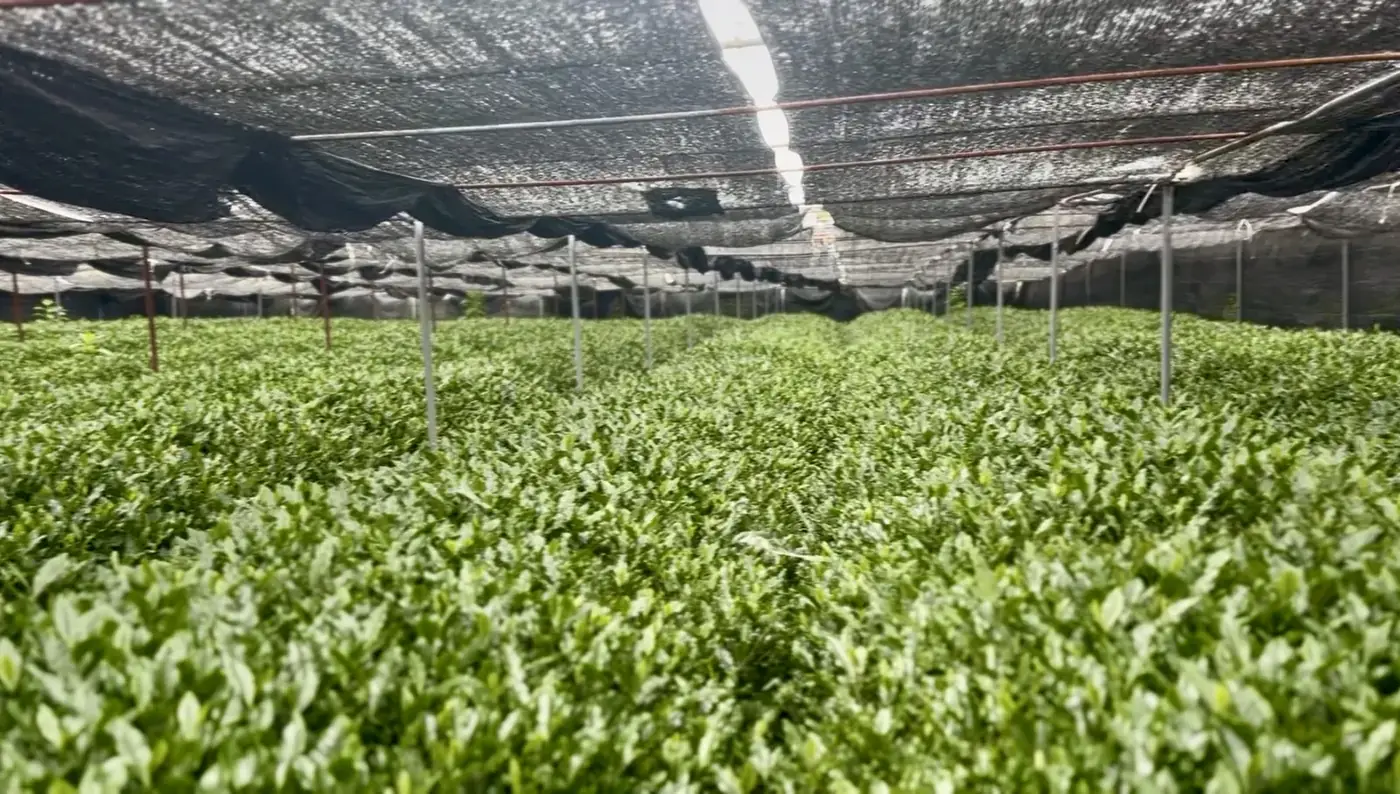
Budget for wholesale matcha prices well above 2025 levels, because the raw material roughly doubled at auction this spring. At Kagoshima's first-flush market, tencha averaged 13,910 yen per kg against 6,013 yen a year earlier, a 2.3-times jump, and first-flush tea overall hit its highest average since records began in 1975, according to the Minaminippon Shimbun. We track the auction prints and the landed-cost math month by month in our US matcha wholesale price index.
Kagoshima matters because it is Japan's largest tencha-producing prefecture, with 2,670 tonnes in 2025 according to the Kagoshima Tea Production Association. Kyoto saw the same direction earlier: Ippodo reports that Kyoto first-harvest prices rose about 2.5 times in 2025 and second-harvest prices about 2.9 times. When the leaf costs 2.3 times more, supplier price revisions follow as new-harvest stock works through the chain. Ippodo discontinued some bancha items from March 2026 and has announced specification and price revisions for October and November 2026.
Two budgeting notes. First, import duty is smaller than most owners fear: unflavored matcha enters the US duty-free under the correct HTS classification, whatever its origin, and green tea (HTS 0902.10 and 0902.20) is on the exemption list for the 2026 forced-labor tariff under heading 9903.05.86, as we detailed in our US import guide. Second, freight and duty math favors consolidated orders, which is one reason per-kilo pricing improves with volume.

A US brand importer is the right call when your matcha volume is small, your cash flow prefers cases over kilos, or you want reorders on your doorstep in three days. You pay a convenience premium per kilogram, and in exchange the supplier carries inventory risk, customs, and FDA compliance.
The brand route also wins when your menu depends on prepared blends. Pre-sweetened mixes from Rishi or Jade Leaf remove barista variability in high-turnover bars, and distributor availability means one invoice alongside your coffee order. If your matcha program is one latte on a big coffee menu, this is the sensible channel, and our wholesale and bulk matcha guide breaks down the case-versus-kilo math.
The limits show up as you grow: list prices move when the brand says so, allocation belongs to whoever the brand prioritizes, and the farm behind the tin is usually anonymous.
Farm-direct sourcing makes sense once matcha is a signature of your menu rather than a line on it. The crossover is volume: when you are moving several kilograms a month, direct pricing typically beats brand pricing even after freight, and you gain something no reseller offers, a named farm, a harvest date, and an allocation agreed with the producer.
In a shortage year that last point is the whole game. A cafe buying through a brand competes with every other account for the same warehouse; a cafe on a farm-direct program has volume reserved at the source before the season starts. Provenance also becomes menu copy that customers can taste and staff can retell, which is how premium pricing gets defended.
The honest trade-offs: international lead times of weeks rather than days, minimums that start around a few kilograms, and importer responsibilities on your side or your exporter's. Vetting matters more than in any other channel, and our supplier vetting guide lists exactly what to ask for, certificates of analysis included.
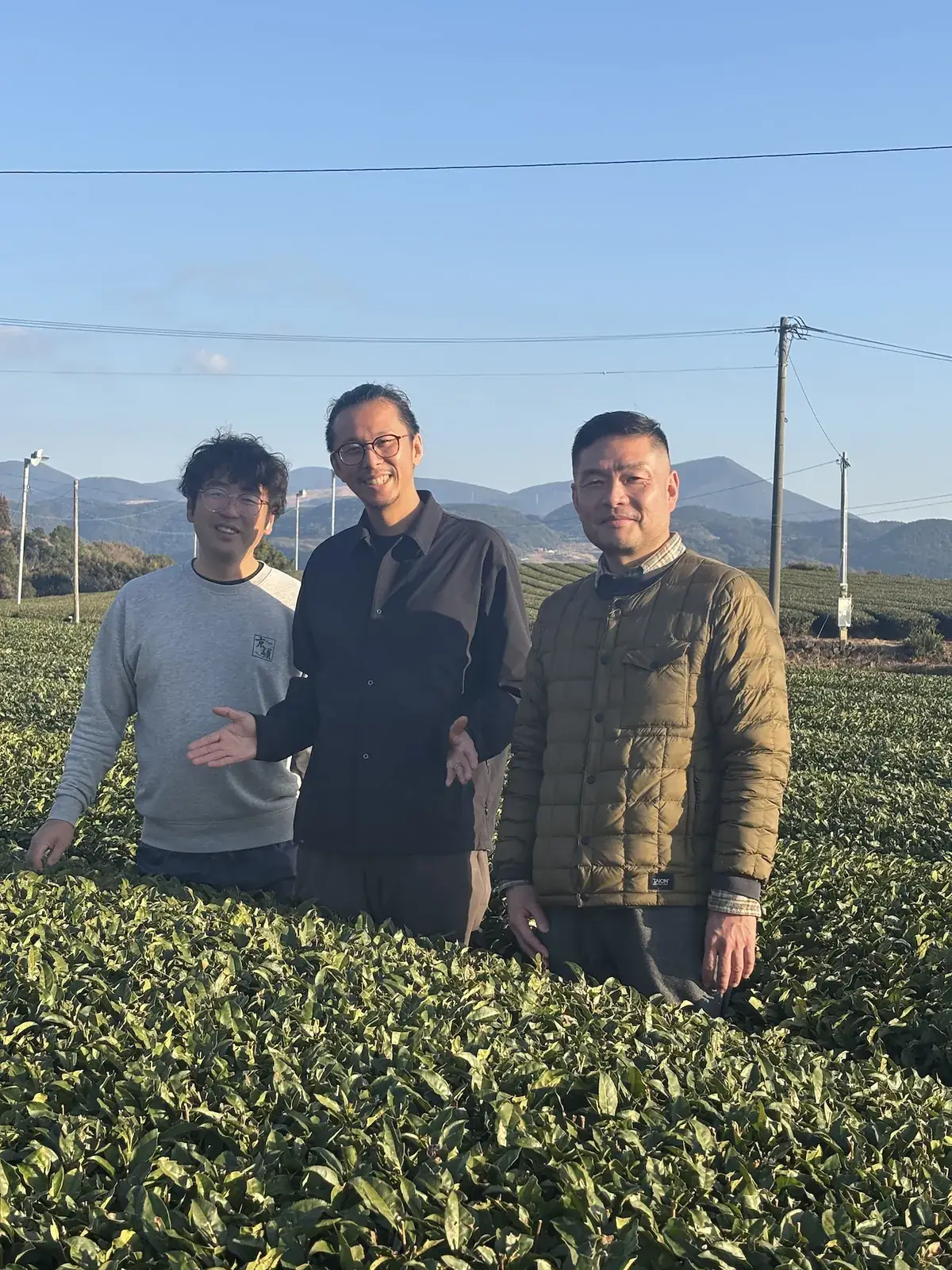
From the sourcing floor: For this year's first flush I reserved 200 kg of premium, 300 kg of mid grade, and 300 kg of culinary grade from one Ureshino farm, all committed before the season was processed. That is what farm-direct actually means. You take a position on a farmer's output months ahead, because if you wait until the tea exists, it is already spoken for. A Kyoto producer also told me the heavy fuel oil that runs his tencha furnace has roughly tripled in price, and that cost is now sitting inside every quote we write.
Whichever channel you lean toward, put the same seven questions to every candidate. The answers separate suppliers who can carry your growth from suppliers who merely have stock today.
Run the samples side by side before you commit; a structured tasting takes fifteen minutes and settles most arguments. Once a sample wins, our matcha for cafes guide covers grades, dosing, and margins for building the menu around it.
Yes. Jade Leaf runs a separate wholesale site for cafes and foodservice. It has no minimum order, you do not need an account to order, and shipping is free.
Through the inquiry form on Kettl’s wholesale page, or by email to its wholesale team. Approved accounts sign in to see the catalog and wholesale prices.
Cafes and tea shops are in Aiya America’s wholesale tier, which starts at a $100 order. The 10 kg minimum applies to its bulk tier for manufacturers and distributors.
Not as of October 2026. Ippodo’s US and Canada wholesale page says it is currently not accepting wholesale applications. Our Ippodo wholesale status page compares the other routes, with the minimum and the date we checked each one.
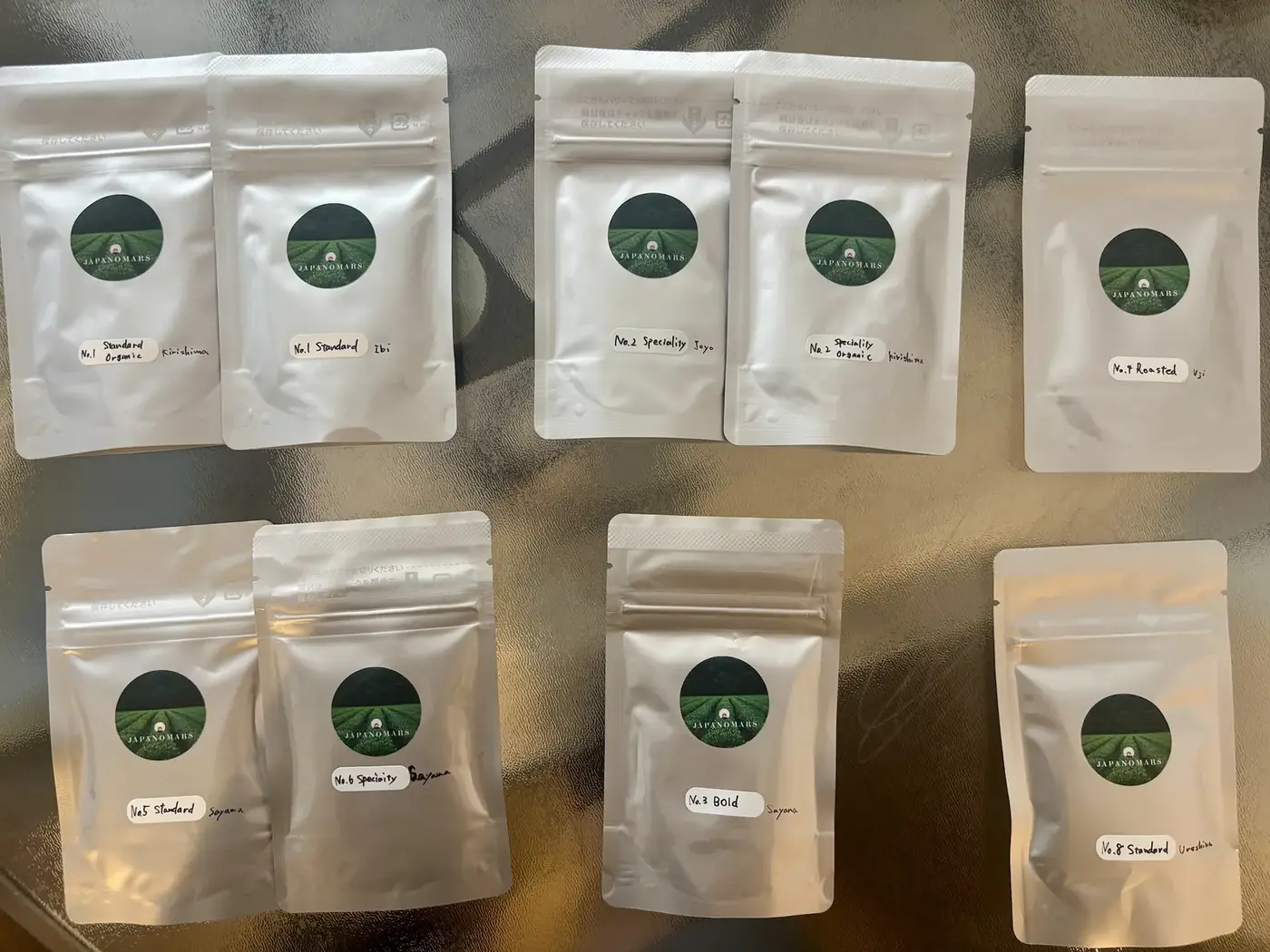
Three things. Orders are larger: with Japanomars the minimum is 5 kg per order, and you can mix grades within it. Lead time is longer: allow 2 to 4 weeks, because the matcha is milled after you order and shipped from Japan. And you get the region and grower for each lot, with paid samples first so you can test it on your own menu.
As of October 2026, Aiya America, Rishi, Jade Leaf, and Kettl are open to new wholesale accounts, and farm-direct exporters including Japanomars are taking cafe clients. Ippodo is not accepting wholesale applications in the US and Canada, and Mizuba accepts applications onto a waitlist.
It varies by channel. Aiya's cafe wholesale accounts start at a $100 order and its bulk accounts at 10 kg, Rishi processes orders from $250, Jade Leaf's cafe site has no minimum order, and farm-direct exporters typically start around a few kilograms per order. Japanomars works with cafes from 5 kg per order. Always confirm the minimum and the per-kilo price in the same quote.
At Kagoshima's first-flush auction, tencha averaged 13,910 yen per kg in spring 2026, about 2.3 times the 2025 average of 6,013 yen, per the Minaminippon Shimbun. First-flush tea overall recorded its highest average price since 1975. Expect wholesale price revisions as new-harvest stock reaches the US.
Not on the matcha itself when it is classified correctly. Unflavored green tea, matcha included, has a general US duty rate of zero (HTSUS 0902.10.90 and 0902.20.90) whatever the origin; flavored green tea from Japan pays 3.2 percent. The temporary Section 122 surcharge expired on July 24, 2026, and green tea is on the exemption list of the Section 301 forced-labor tariff that replaced it, under heading 9903.05.86. Standard customs fees like the Merchandise Processing Fee still apply to direct imports.
Per kilogram, usually yes at cafe volumes, because you skip the reseller margin; total cost depends on freight and order size. The bigger 2026 advantage is allocation: volume reserved with a producer before the season, rather than competing for a shared US warehouse.
In a shortage year, yes. A primary supplier plus a qualified backup protects your menu if allocations get cut, and sampling a second source costs little. Keep the backup genuinely qualified: samples tasted, COA on file, and pricing confirmed, so switching is a phone call rather than a scramble.
In 2026 the ranking that matters is not taste scores but commitment: who will guarantee your kilos, at a written price, from a farm they can name. Brand importers remain the easy on-ramp, Ippodo is closed to new wholesale applications in the US and Canada and Mizuba runs a waitlist, and farm-direct rewards cafes ready to treat matcha as a signature rather than a garnish.
Request samples and current-harvest wholesale pricing from Japanomars. We export directly from family farms in Kagoshima, Sayama, and beyond, and we work with cafes on long-term supply agreements, not one-off orders.
Request samples & pricingHiroshi Asami is the founder of Japanomars, a Japanese matcha exporter working with tea farmers in Kyoto (including the Uji area), Kagoshima, Saitama, Gifu, Saga, Fukuoka and Miyazaki, and supplying specialty cafes in the US, Canada, the Philippines and Europe. He has led four sourcing tours bringing cafe owners to meet producers in Japan. Sources: Minaminippon Shimbun, Kagoshima first-flush results, June 4, 2026; Japan Ministry of Agriculture, Forestry and Fisheries, 2026 first-flush production, August 18, 2026; Kagoshima Tea Production Association; Ippodo Tea supply, product and price notices, 2024 to 2026; Aiya America wholesale requirements; Rishi Tea & Botanicals wholesale FAQ; Jade Leaf wholesale help center; Mizuba Tea Co. wholesale page; Kettl wholesale page; US HTS heading 0902 and the Section 301 forced-labor exemption list (CBP, July 23, 2026, heading 9903.05.86).
%E7%99%BD_%E5%A4%A7%E3%81%8D%E3%81%84.png)