%E5%A4%A7%E3%81%8D%E3%81%84.png)
Sourcing · Suppliers · 2026
If you searched for Ippodo wholesale this year, you probably hit a closed door: Ippodo is not accepting wholesale applications at this time. You still need matcha on the menu next month. This page shows where the other names a US cafe is likely to search for stand today, with the minimum and the date we checked, and one more route most cafes do not know exists: buying from a farm-connected exporter from 5 kg.
Key takeaways
In this guide
What each supplier’s own wholesale page said on the day we checked. We have left out anything we could not confirm on the company’s own site. Terms change quickly in a tight year, so check the date column before you rely on a row.
| Supplier | New cafe accounts | Minimum | Notes | Checked |
|---|---|---|---|---|
| Ippodo Tea | Not accepting applications | n/a | Wholesale page asks businesses to check back | 2026-09-27 |
| Aiya America | Taking applications | $100 order value; 10 kg for bulk pricing | Free US and Canada shipping over $500. Reseller license or tax ID required | 2026-09-27 |
| Rishi Tea & Botanicals | Published minimums | $250 per order | Free FedEx Ground from $450. Barista, Teahouse, Sweet and In Conversion matcha lines | 2026-09-27 |
| Mizuba Tea Co | Waitlist | Not published | High volume of applicants; inquiries go onto a waitlist | 2026-09-27 |
| Japanomars (farm-connected exporter) | Open | 5 kg per item | Milled to order. Uji (Kyoto), Sayama, Ibi, Ureshino, Yame, Kirishima, Chiran | 2026-09-27 |
Sources: each company’s own wholesale page, accessed September 27, 2026. Full list at the end of this page. For the wider field of US suppliers, see our list of wholesale matcha suppliers in the US.
The leaf itself got more expensive. Tencha, the shaded leaf matcha is milled from, repriced sharply at Japan’s 2026 auctions: Kagoshima’s first-flush season averaged 13,910 yen per kilogram against 6,013 a year earlier, and Uji’s May auction averaged 14,127. When raw material moves like that, suppliers protect the accounts they already have, raise prices, or both.
We do not know how each company above made its own call. The table only records what their pages say. The auction figures and how they feed through to cafe prices are tracked in our US matcha wholesale price index.
Most cafes searching for Ippodo want the same three things: Kyoto origin, a clean latte that holds up in milk, and a supplier who can tell them where the tea came from. You can ask any supplier for exactly that.
Ask which region the lot is from, which flush, and when it was milled. If the answer is a region and a date, you are talking to someone close to the farm. If the answer is a brand name, you are not.
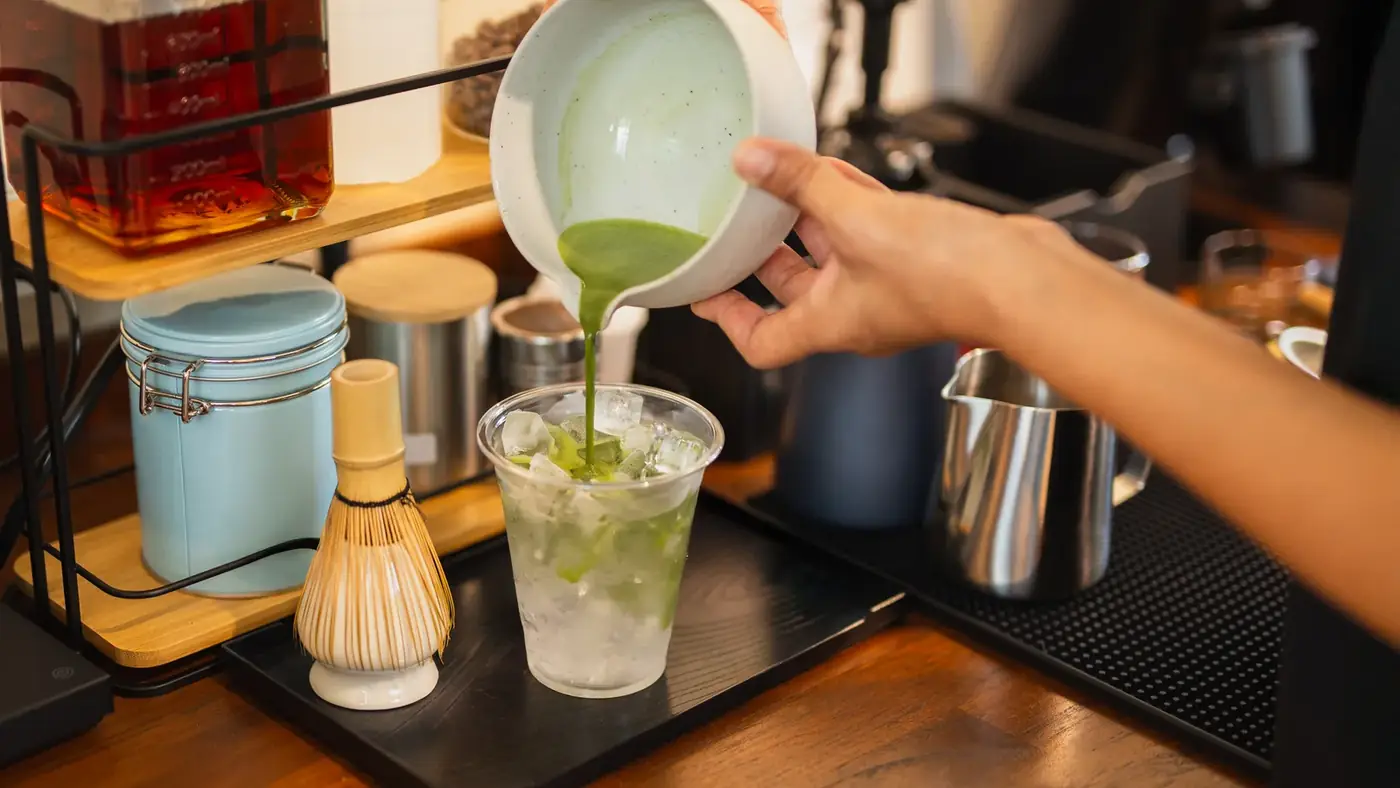
A cafe pouring 20 matcha drinks a day at 2 g uses about 1.2 kg a month. Aiya’s 10 kg bulk tier is about eight months of stock for that cafe, and opened matcha holds its best color and aroma for only a few weeks, so the bulk tier is not always the saving it looks like.
A 5 kg order is about four months and can be split into sealed 1 kg bags. Our matcha dosing chart turns drinks per day into kilograms per month, and our storage and freshness guide covers how long an open bag lasts.
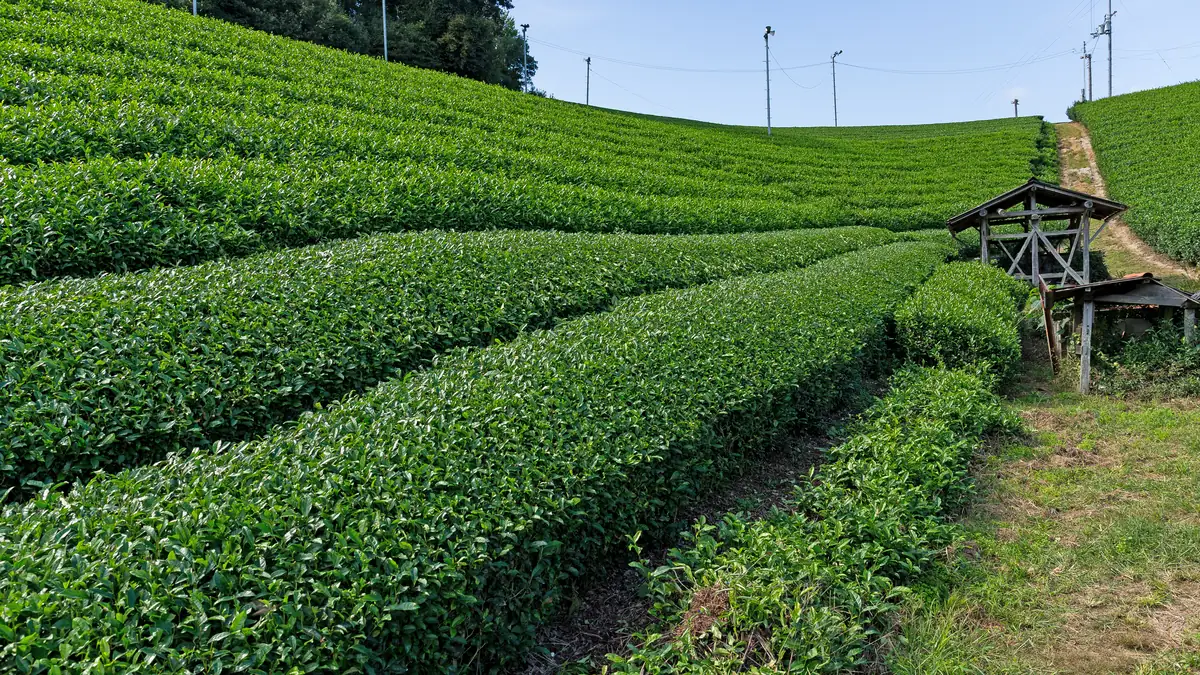
What you get from us is not one farm but access to many. We are connected with farms all over Japan, including Uji in Kyoto, and we choose each one ourselves: we visit, we look with our own eyes, and we taste the samples before deciding which farms are the right fit for cafe owners.
We then help connect you directly with those farmers, which gives your brand a real story to tell. And we can invite you to each of those farms on a farm tour. That is our strength.
See who grows it on our farmers and regions page, and compare grades and price ranges on our collection list.
Send us the matcha you were using or hoping to use, your drinks per day and your menu, and we will come back with the farms and grades that fit, and current pricing.
Ask every supplier the same six things: origin region, flush, milling date or milling to order, minimum, lead time, and whether the sample fee is credited. Put the answers in one row each. The cheapest per-kilo number rarely wins once lead time and minimums are on the same sheet.
Not as of September 2026. Their wholesale page says they are not accepting applications at this time and asks businesses to check back.
Aiya America and Rishi both publish wholesale terms. Mizuba is running a waitlist. Farm-connected exporters such as Japanomars sell matcha from Uji and other Japanese regions from 5 kg per item, milled to order.
$100 minimum order value for wholesale accounts, and 10 kg for bulk pricing, per Aiya America’s published wholesale requirements.
Yes. Rishi’s wholesale site lists Barista, Teahouse, Sweet and In Conversion matcha, with a $250 order minimum.
5 kg per item through Japanomars. Samples are paid, and the sample cost is credited against the first order if it is placed within a month of the samples arriving.
Hiroshi Asami is the founder of Japanomars, which exports Japanese matcha to cafes in the United States, Canada, the Philippines and Europe. He sources through direct relationships with growers and processors across Japan, including Uji in Kyoto, and has led four sourcing tours bringing overseas cafe owners to Japanese tea farms. Competitor information on this page is limited to what each company publishes on its own website.
Sources
%E7%99%BD_%E5%A4%A7%E3%81%8D%E3%81%84.png)