%E5%A4%A7%E3%81%8D%E3%81%84.png)
Sourcing · Supply risk · 2026
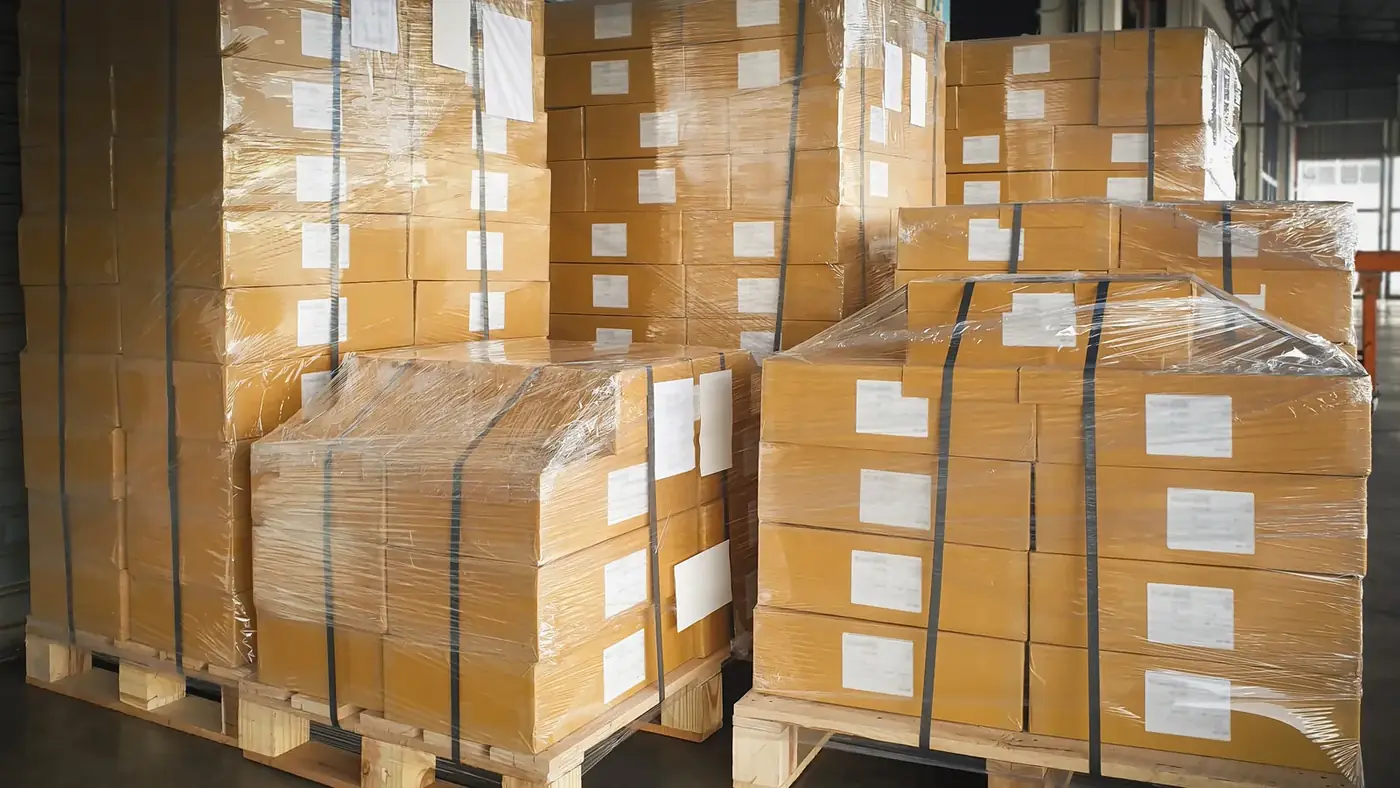
A second matcha supplier is not a spare phone number. It is a qualified account with an approved lot, a drink you have already tested on bar, and a price you have already agreed, so that switching takes days instead of a season. Most cafes go looking for one in the same month they can no longer get one, which is the one month it does not work.
Key takeaways
This guide is written from the supply side. It covers what actually breaks when a cafe runs on one matcha account, what Japan's 2026 numbers say about how fragile that base has become, how to pick and qualify a backup without wasting cash, and how to run two suppliers without your latte changing.
In this guide
Single-supplier matcha fails in five ways. Your allocation gets cut, the price resets between harvests, the blend drifts once a lot runs out, the supplier leaves the business, or a shipment is held at origin or at the port. Only some of those reach you before the decision has been made.
Cafe owners tend to plan for the shipping delay, because it is the one they have already lived through. The other four arrive without a tracking number. The most common is the quietest: your supplier's lot runs out, the next lot is a different blend, and nobody tells you because from their side it is still the same product code.
| What happens | How it shows up on your bar | Warning you get |
|---|---|---|
| Allocation cut | Your usual order is confirmed at a lower quantity, or capped | Days to weeks |
| Price reset | A new harvest year prices differently from the one you budgeted | One season |
| Blend drift | Same product name, different colour and bitterness in the cup | Usually none |
| Supplier exit | The account stops responding, or the business closes | Usually none |
| Shipping or customs delay | A confirmed order arrives weeks late | Days to weeks |
The five failure modes behind a single matcha account. Source: Japanomars sourcing framework, 2026.
Two of the five arrive with no notice at all, and a third, the allocation cut, usually lands after you have already placed the order. That is the argument for a backup. Not that your supplier is unreliable, but that the decision was taken upstream and reached you late.
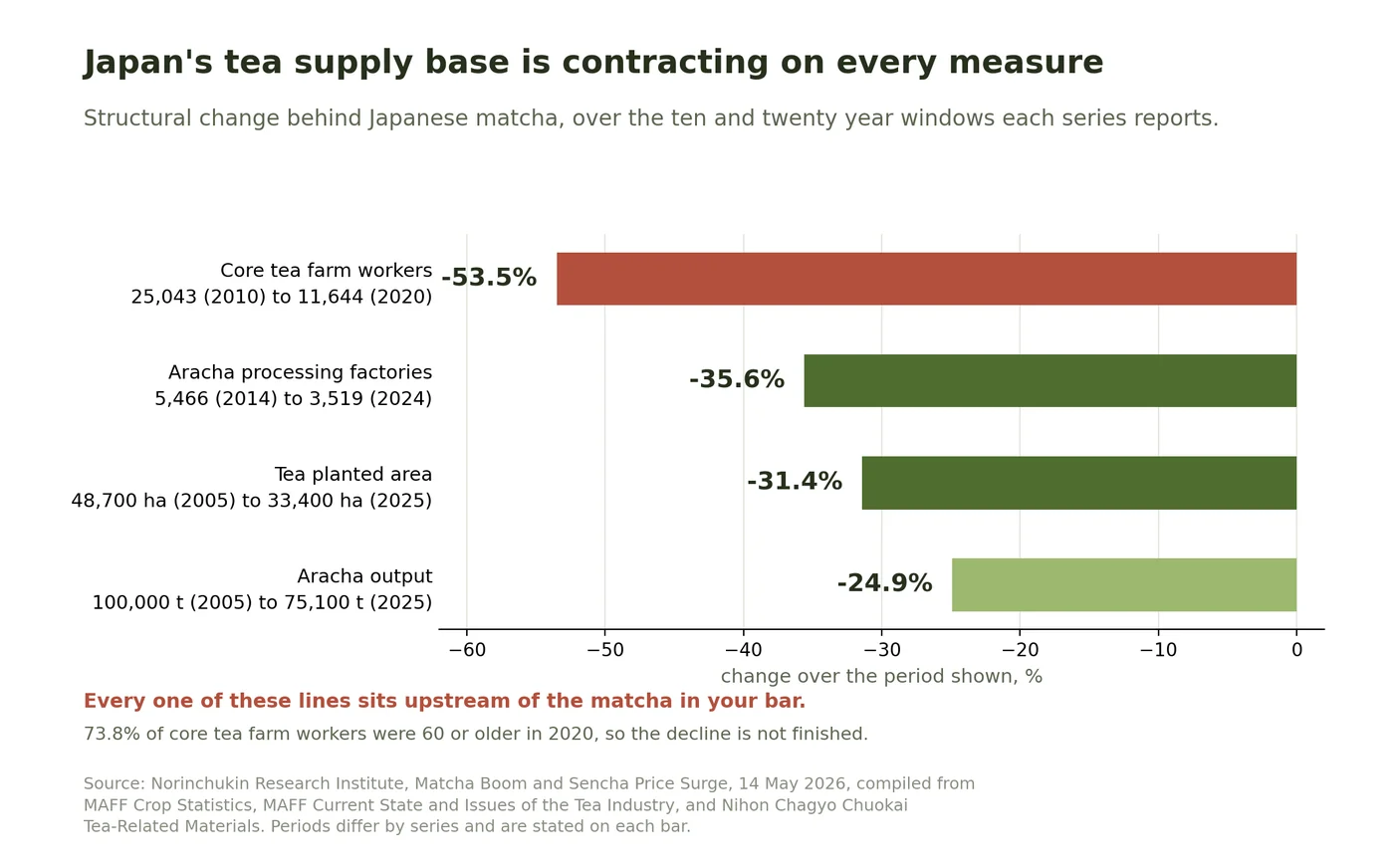
Japan's tea supply base is shrinking on every measure while matcha demand grows. Aracha processing factories fell 35.6% in ten years, from 5,466 in 2014 to 3,519 in 2024. Core tea farm workers fell from 25,043 in 2010 to 11,644 in 2020, and 73.8% of those remaining were 60 or older.
Planted area and output tell the same story over a longer window. Between 2005 and 2025, Japan's tea planted area fell 31.4%, from 48,700 hectares to 33,400, and aracha output fell 24.9%, from about 100,000 tonnes to 75,100. These figures are compiled by the Norinchukin Research Institute from Ministry of Agriculture crop statistics and industry data, published in May 2026.
Inside that shrinking base, production is being pulled toward matcha. Tencha, the shaded leaf matcha is milled from, rose from roughly 3% of Japan's aracha output in 2015 to about 7% in 2024, reaching 5,336 tonnes. It also prices at a different level: tencha averaged 3,278 yen per kilogram in 2024 against 1,197 yen for sencha, roughly 2.7 times.
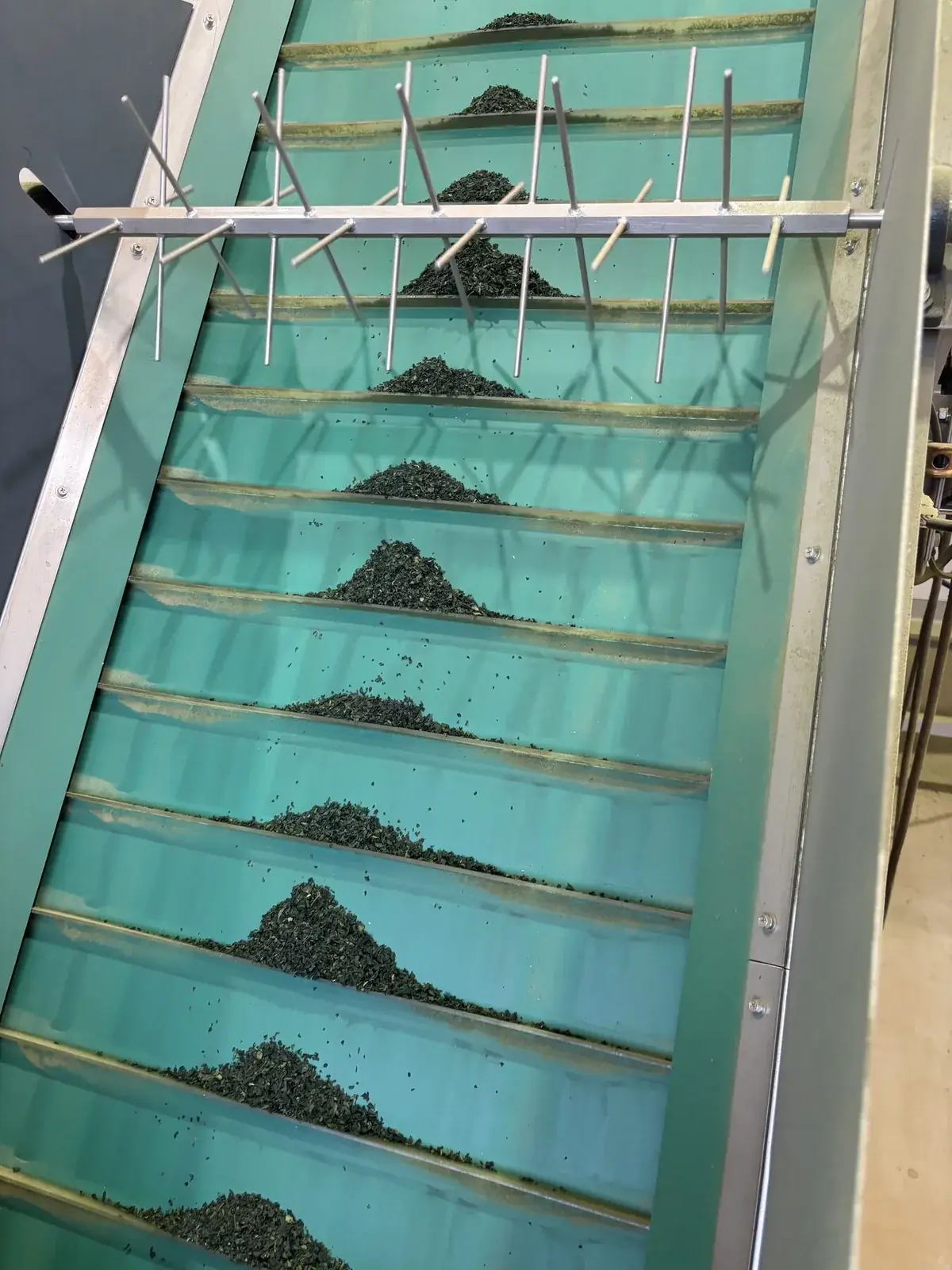
The pressure is not only on leaf. Norinchukin's 2026 report, drawing on interviews across the trade, records lengthening delivery times for tencha furnaces and grinders and intensifying competition for milling slots. That matters to a cafe more than it sounds. If your supplier cannot get grinding capacity in the month you order, harvest volume does not help you. It is one reason we mill to order rather than from finished stock, and one reason a backup in a different processing chain is worth having.
Meanwhile demand keeps climbing. Japan's green tea exports in the first quarter of 2026 reached 2,993 tonnes, up 20.7% on the same period a year earlier, and powdered green tea exports grew from 2,375 tonnes in 2020 to 8,718 tonnes in 2025. For background on how this became structural, see our guide to sourcing through the matcha shortage.
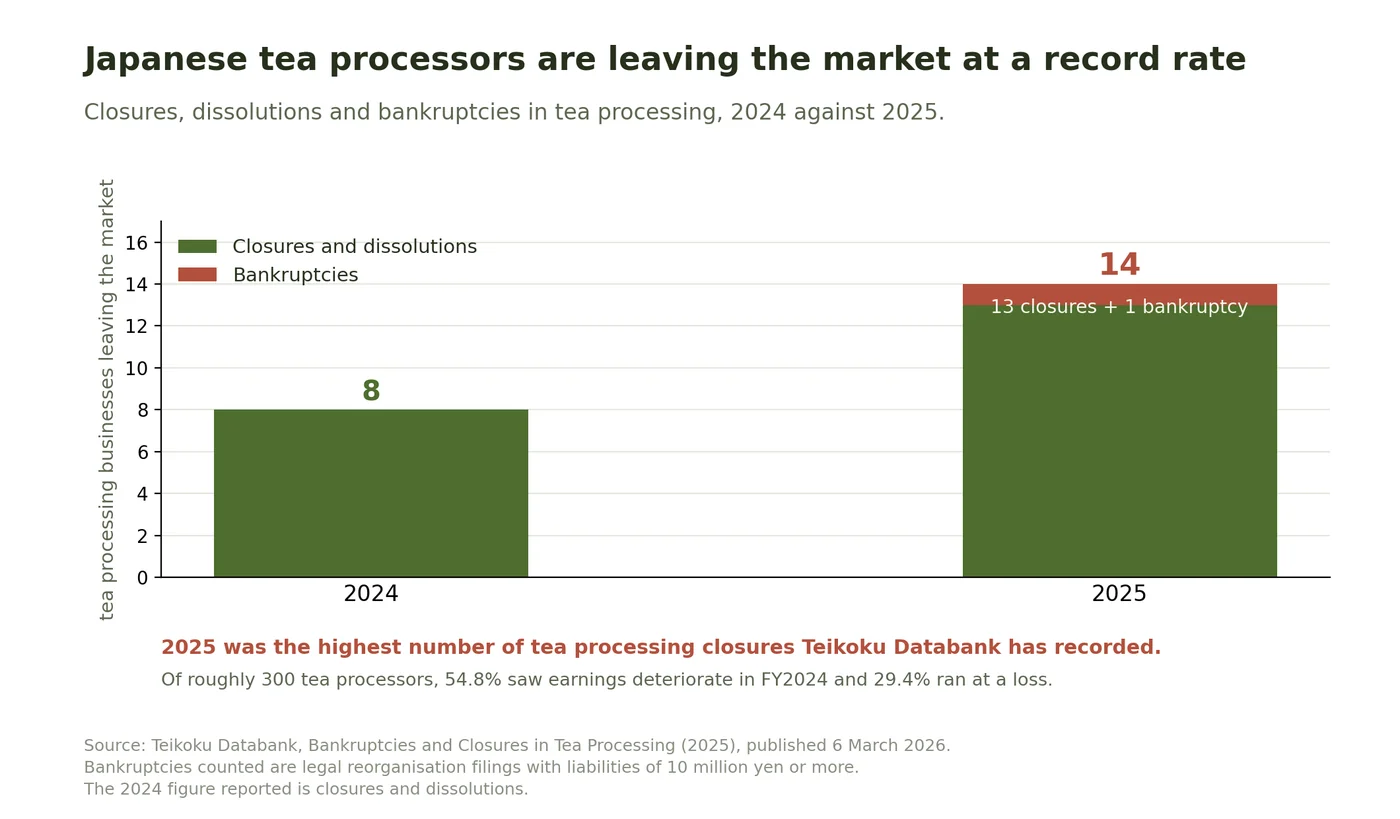
Two suppliers buying from the same prefecture, or worse from the same processor, are one supplier with two invoices. In 2026 Japan's origins moved in opposite directions within three weeks. Kagoshima's opening trade rose 58.9% on the prior year, Uji rose 22.1%, and Shizuoka fell 14.0%.
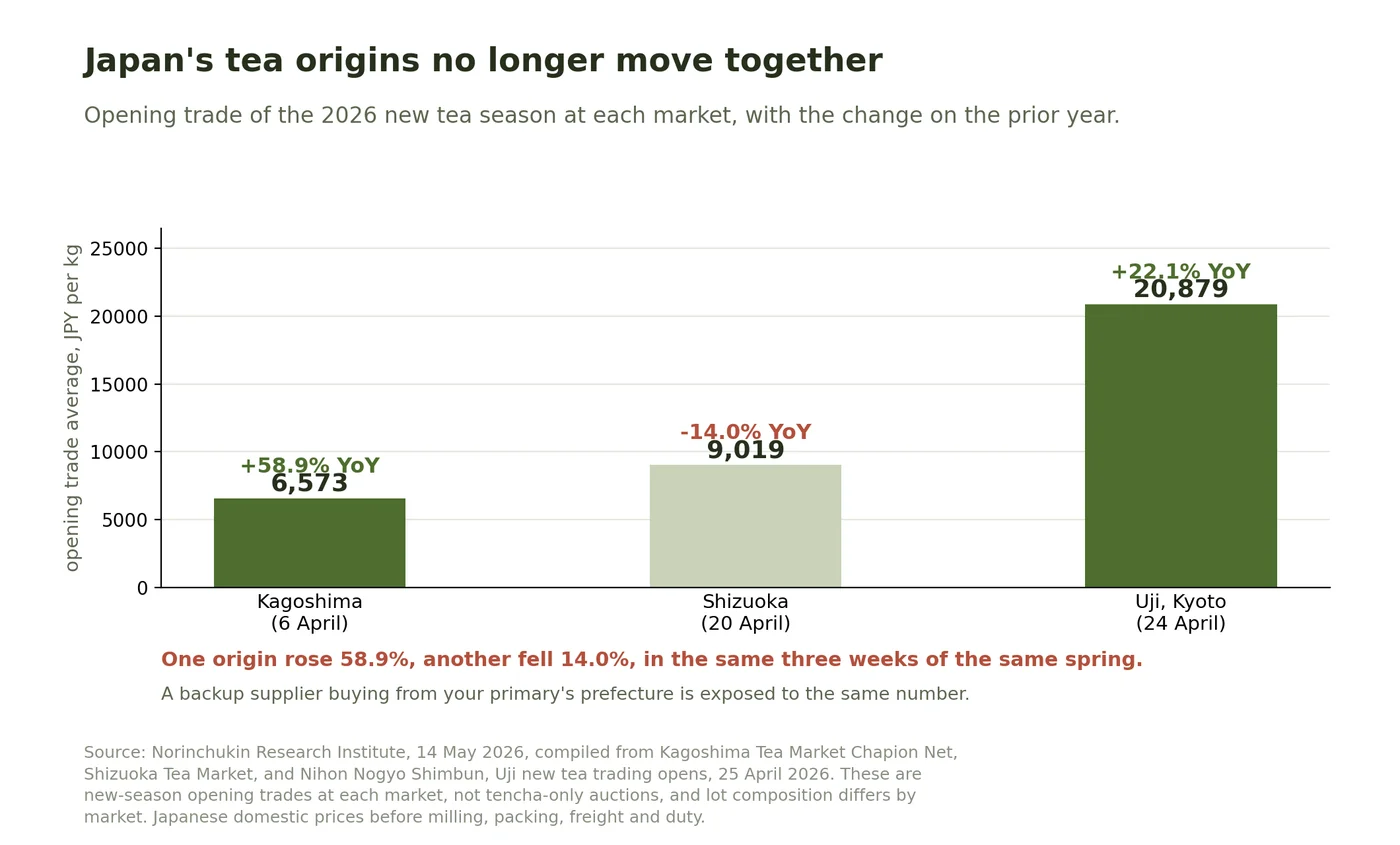
Weather, harvest timing and the local mix of tencha against sencha now differ enough that one origin can have a difficult spring while another has an easy one. That is exactly the property you want in a backup, and you only get it by buying from a genuinely different place.
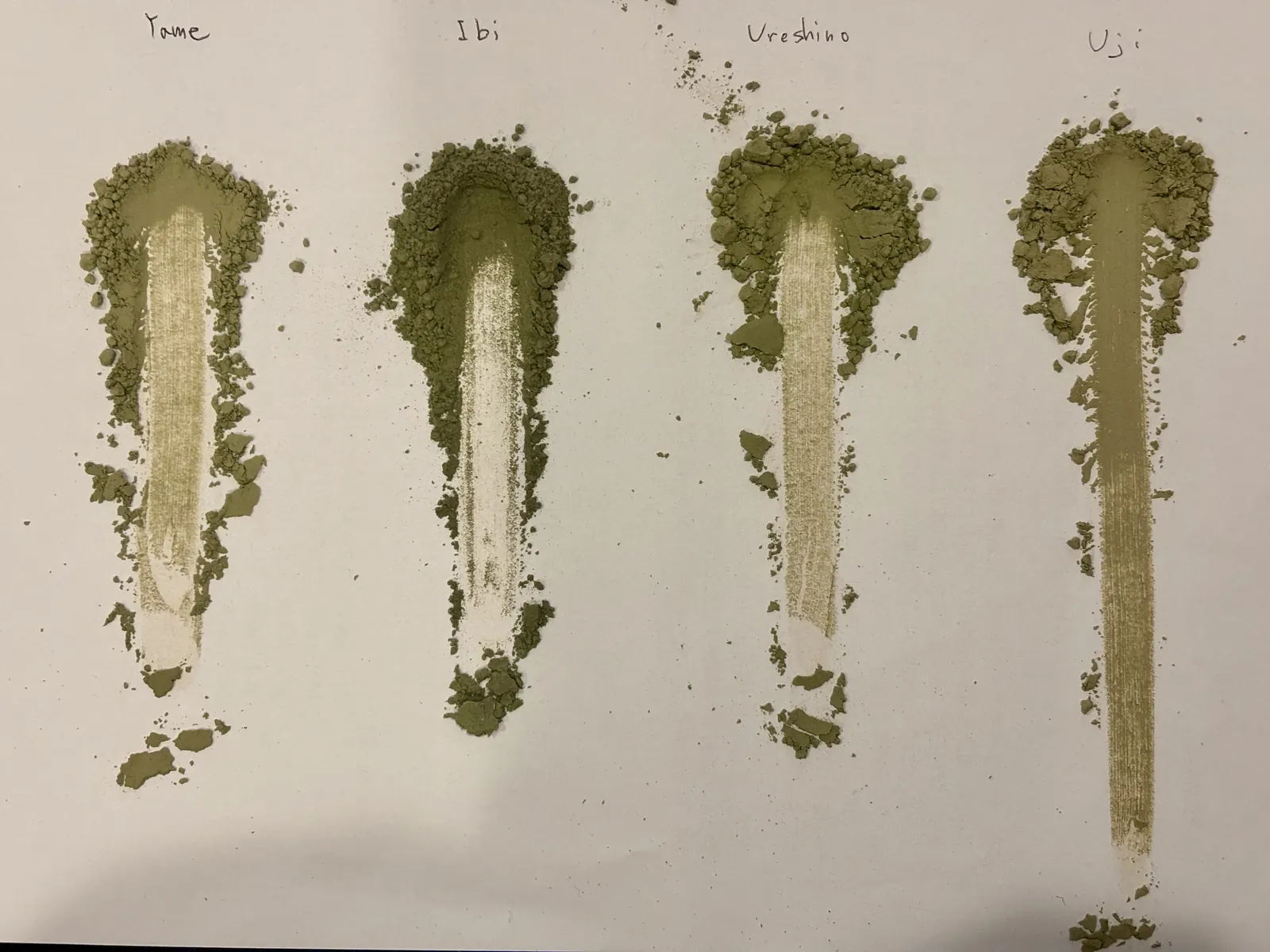
The harder version of this problem is hidden concentration. A large share of matcha sold internationally moves through wholesalers and blenders, so two brands can resolve to the same processor upstream. Ask both suppliers which prefecture and which processor the tea comes from. If they will not say, treat the two accounts as one until proven otherwise. Our guides to farm-direct versus trading company sourcing and Japan's matcha regions cover how to read those answers.
Run roughly 70% of volume through the primary and 30% through the backup, and keep the backup shipping. A supplier who has not sent you anything in twelve months is a contact, not a backup. The split also gives you a live second price every time you reorder, which is useful market intelligence in its own right.
| Tier | Share of volume | What it is for | Order cadence |
|---|---|---|---|
| Primary | About 70% | Your house matcha, the drink customers know | Every cycle |
| Backup | About 30% | A qualified account in a different origin, already on bar | Every cycle, or alternating cycles |
| Watchlist | 0% | One or two suppliers you have sampled and can call | Re-sample once a year |
A working split for a cafe pouring enough volume to place two orders. Source: Japanomars sourcing framework, 2026.
Minimum order quantities are the usual objection, and they are real. Our own minimum is 5 kg, and most Japanese wholesale accounts start somewhere in that range, so a 30% share only works if your total is large enough to clear both minimums. If it is not, alternate: run the primary for one cycle and the backup for the next. Alternating still keeps the account live, still gives you a price reference, and still means your staff have poured the backup before you depend on it. For how order sizes and lead times work in practice, see our guide to wholesale and bulk matcha for cafes.
Qualifying a backup costs one paid sample set and one small paid lot. Taste blind against your current matcha in the drink you actually sell, then buy the smallest real lot the supplier will ship and run it on bar for a week. A backup you have never poured is an assumption rather than a plan.
Step five is the one cafes skip and the one that matters when things go wrong. Our supplier vetting guide covers the underlying checks in more detail. Autumn and winter are the right months to do this. Japan's first flush is picked once a year and the season's lots are largely spoken for by early summer, so a new supplier has far more time for a small qualifying order in November than in May.
Match on the drink, not on the powder. Fix your recipe as the constant, dose, water volume, temperature and milk, then select the backup so that a 12 ounce latte lands in the same place. Whisked straight and side by side the two matchas will differ, because they came from different farms, and that is the point of having them.
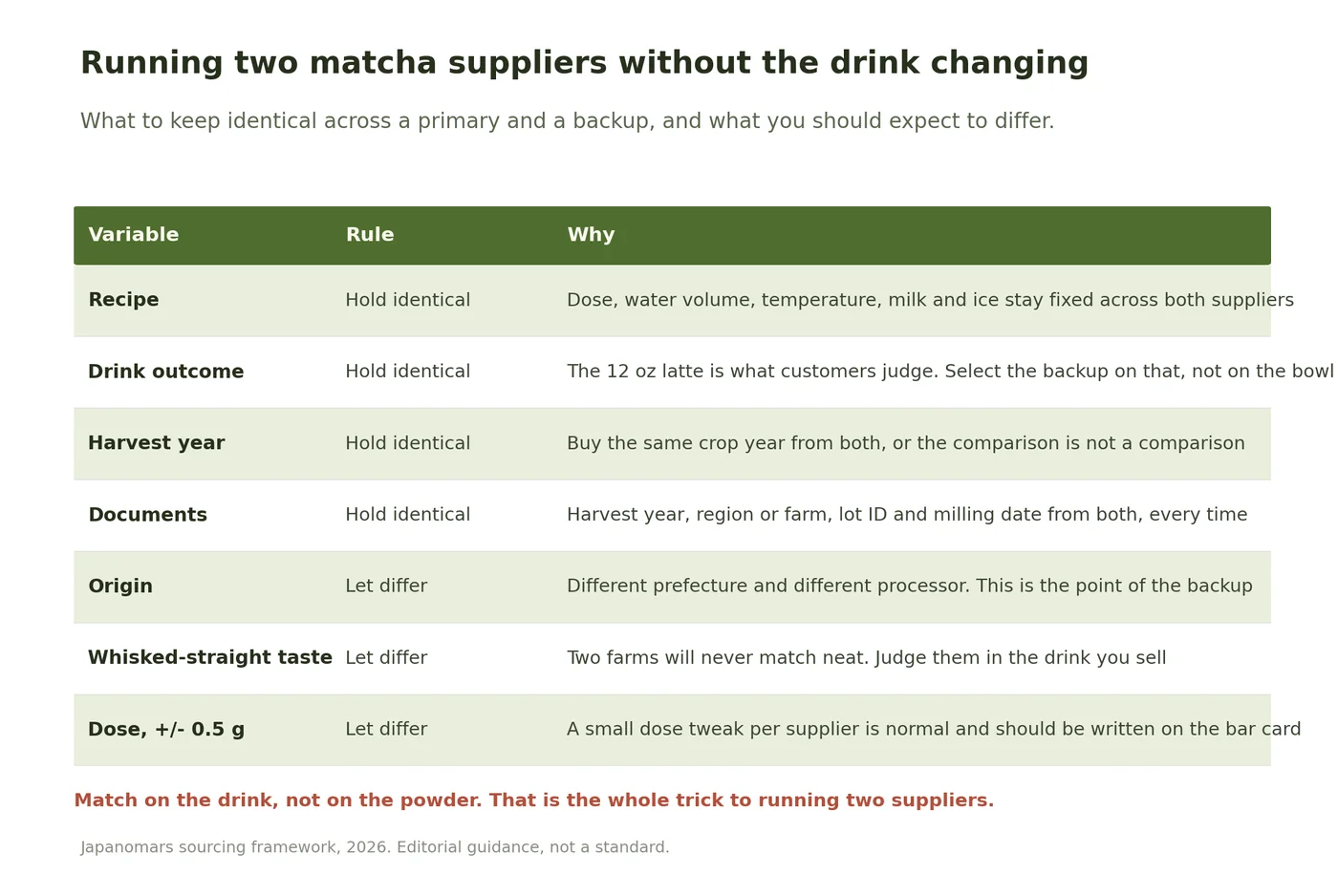
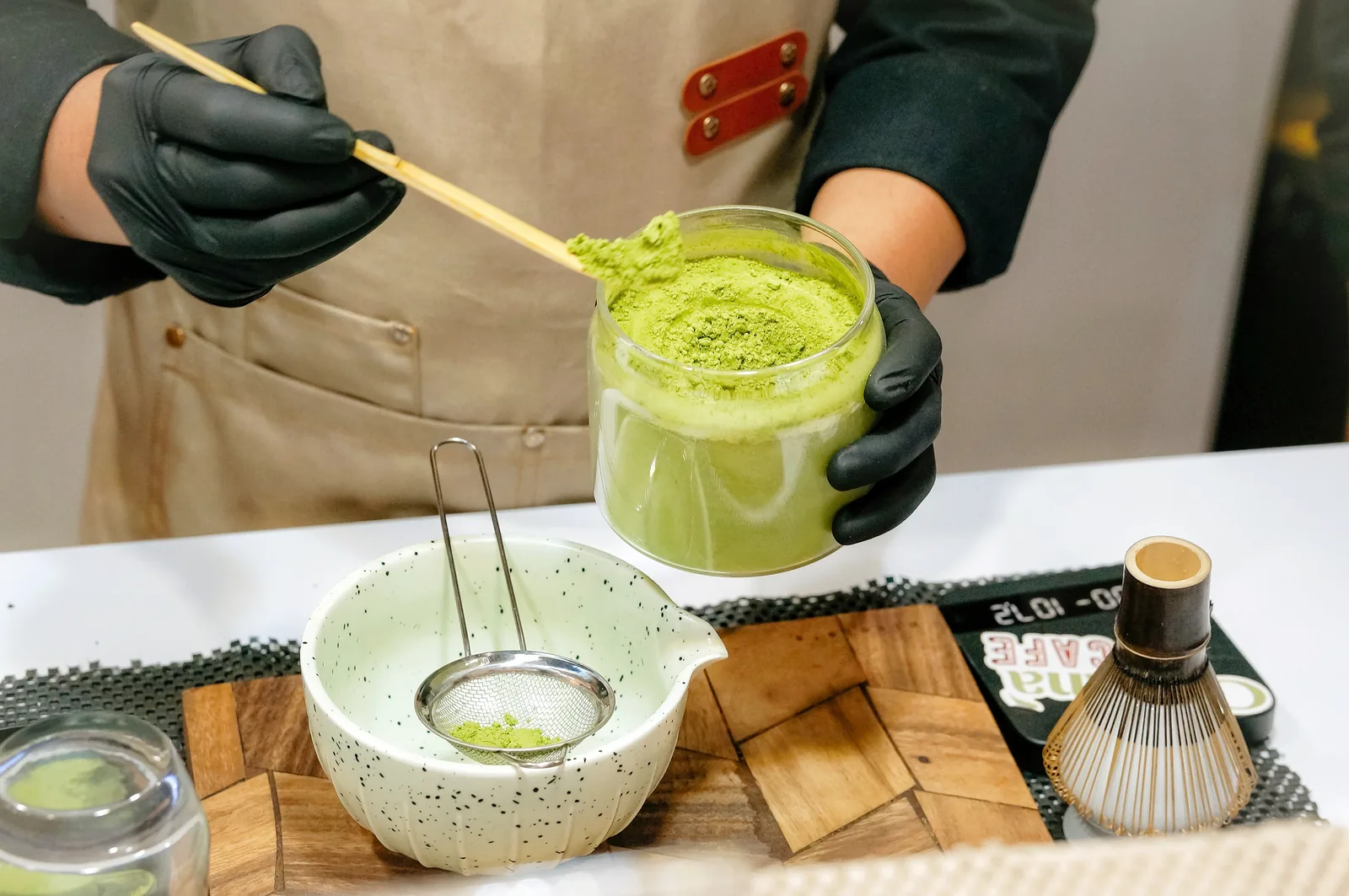
Two practical details make this work. First, allow a dose adjustment of about half a gram per supplier and write it on the bar card, so staff are not improvising. Second, keep a sealed retained portion of each approved lot, stored cold and dark, as the reference you check deliveries against. Matcha loses colour and aroma quickly once it meets air, light and warmth, so an opened pouch is not a fair reference after a few weeks. Our storage and shelf life guide covers the handling.
The cost of a backup is one qualification round plus any price gap on the share of volume you route through it. The cost of a stockout is every matcha drink you do not sell until supply returns, plus the regulars who find a different cafe in the meantime. For most cafes the second number is the bigger one, and it is the one you cannot forecast.
Work it with your own figures rather than ours. The arithmetic below is an illustration with the assumptions written out, not a market quote.
| Line | Illustrative assumption | Annual effect |
|---|---|---|
| Qualification | One paid sample set plus one small lot, once | A one-off cost in the low hundreds |
| Price gap | 30% of volume at a 10% higher price | About 3% on your total matcha spend |
| Stockout, 2 weeks | Matcha drinks are 15% of a cafe's revenue | About 0.6% of annual revenue, lost outright |
| Stockout, 6 weeks | Same share, one full supply cycle missed | About 1.7% of annual revenue, plus churn |
Illustrative arithmetic only. Substitute your own drink mix, volume and prices. Japanomars, 2026.
The comparison usually settles it. A price gap on part of your volume is a small, predictable number. A gap in supply is an unpredictable one that also costs you the menu item customers came in for. If you want a reference point for what you should be paying in the first place, our matcha price index publishes the landed-cost build-up we use ourselves.
Ninety days is enough to go from one account to two, provided you start outside the spring rush. The sequence below assumes you are pouring matcha now and have a primary supplier you are broadly happy with.
At the end of it you have not spent much and you have removed the failure mode that takes cafes off the matcha menu for a month. Review it once a year, after the first flush prices are known.
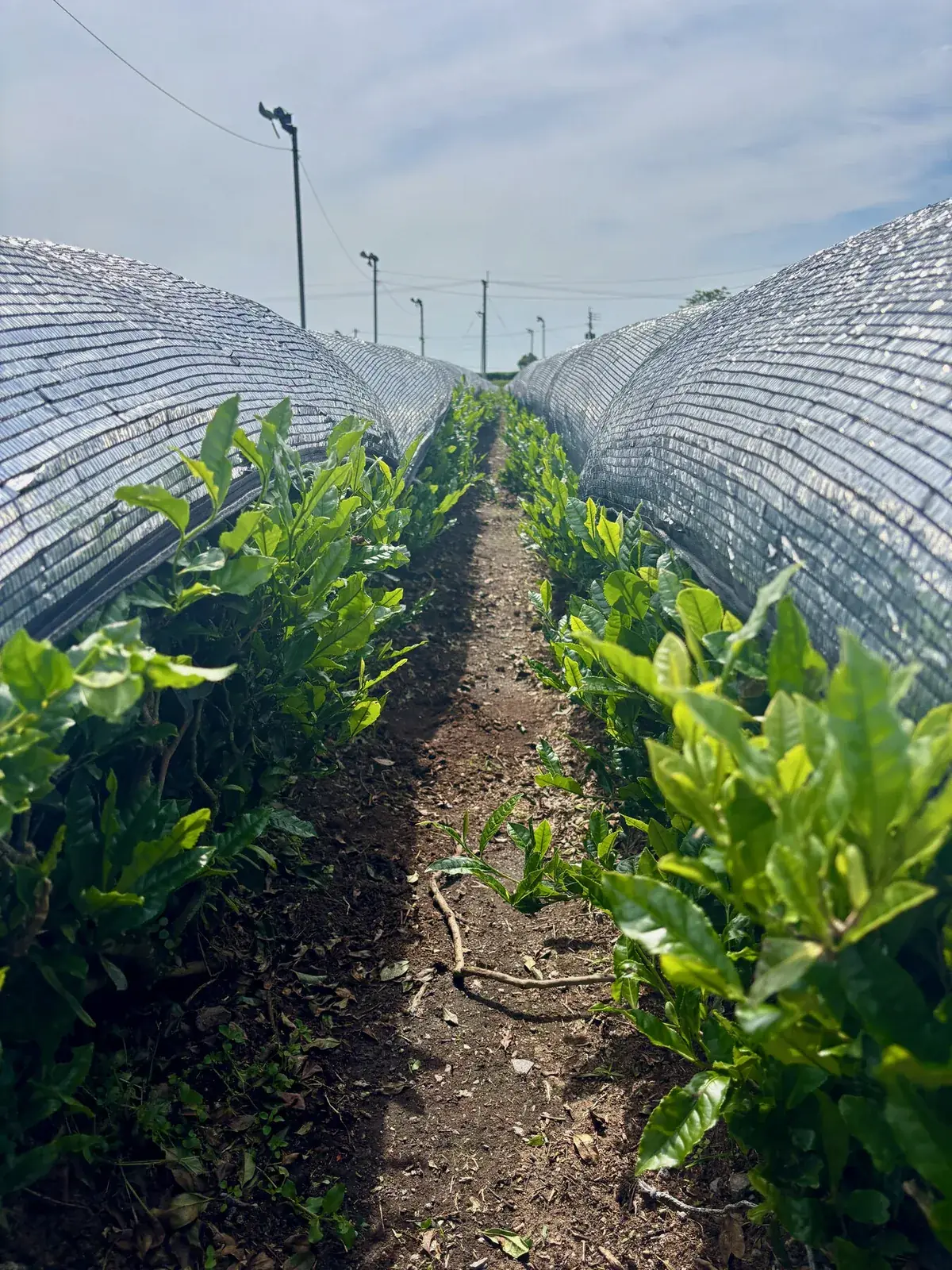
From the sourcing floor
It has happened to us: one origin ran out and we covered the order from another region. The price gap is not the predictable part. The substitute has come in cheaper about as often as it has come in dearer. What we do hear from growers, when other buyers' orders are large, is that a lot is about to run out, and that warning is the moment to move.
Two that ship to you, and a third you have talked to. One supplier is a single point of failure, and three active accounts usually means none of them is big enough to get you priority when supply is tight. Two shipping accounts is the balance most cafes can actually operate.
Not if you select on the finished drink rather than on the powder. Fix your recipe, dose, water, temperature and milk, then choose a backup whose matcha lands in the same place in a 12 ounce latte. Whisked straight and side by side the two will differ, and that is expected.
Yes, and for many cafes it is the fastest backup to set up because stock is already in the country. The trade-off is that you cannot see which lot or harvest year you are getting, and warehouse stock runs out for everyone at once. Treat it as a bridge, not as your diversification.
One paid sample set, one small qualifying lot, and whatever price gap exists on the share of volume you route through the backup. For most cafes that is a few hundred dollars a year, against the revenue of every matcha drink they would not be able to sell during a gap.
Now, and specifically outside the spring buying window. Japan's first flush is picked once a year and the season's lots are largely committed by early summer, so autumn and winter are when a new supplier has the time and the inventory to take a small qualifying order seriously.
Which prefecture and which processor the matcha comes from, what harvest year is currently shipping, the lot identifier, and what happens when that lot runs out. If two suppliers answer those questions with the same prefecture and the same processor, you do not have two suppliers.
The reason to build a second matcha supply is not that your current supplier will fail you. It is that the decisions which take matcha off your menu are made in Japan, months before you hear about them, in an industry that is losing farms, factories and processors every year. Two qualified accounts in two different origins is how a cafe keeps that from becoming its problem.
We ship to cafes in the United States, Canada and the Philippines from growers in six Japanese prefectures, and we mill to order rather than from finished stock. Tell us what you pour now and which origin you are already buying from, and we will put together a comparison set and current wholesale pricing.
Request samples & pricingHiroshi Asami is the founder of Japanomars, which exports Japanese matcha to cafes in the United States, Canada, and the Philippines. He sources through direct relationships with growers and processors in Saitama, Gifu, Saga, Fukuoka, and Kagoshima, and has led four sourcing tours bringing overseas cafe owners to Japanese tea farms.
Sources
%E7%99%BD_%E5%A4%A7%E3%81%8D%E3%81%84.png)