%E5%A4%A7%E3%81%8D%E3%81%84.png)
Cafe Menu · 2026
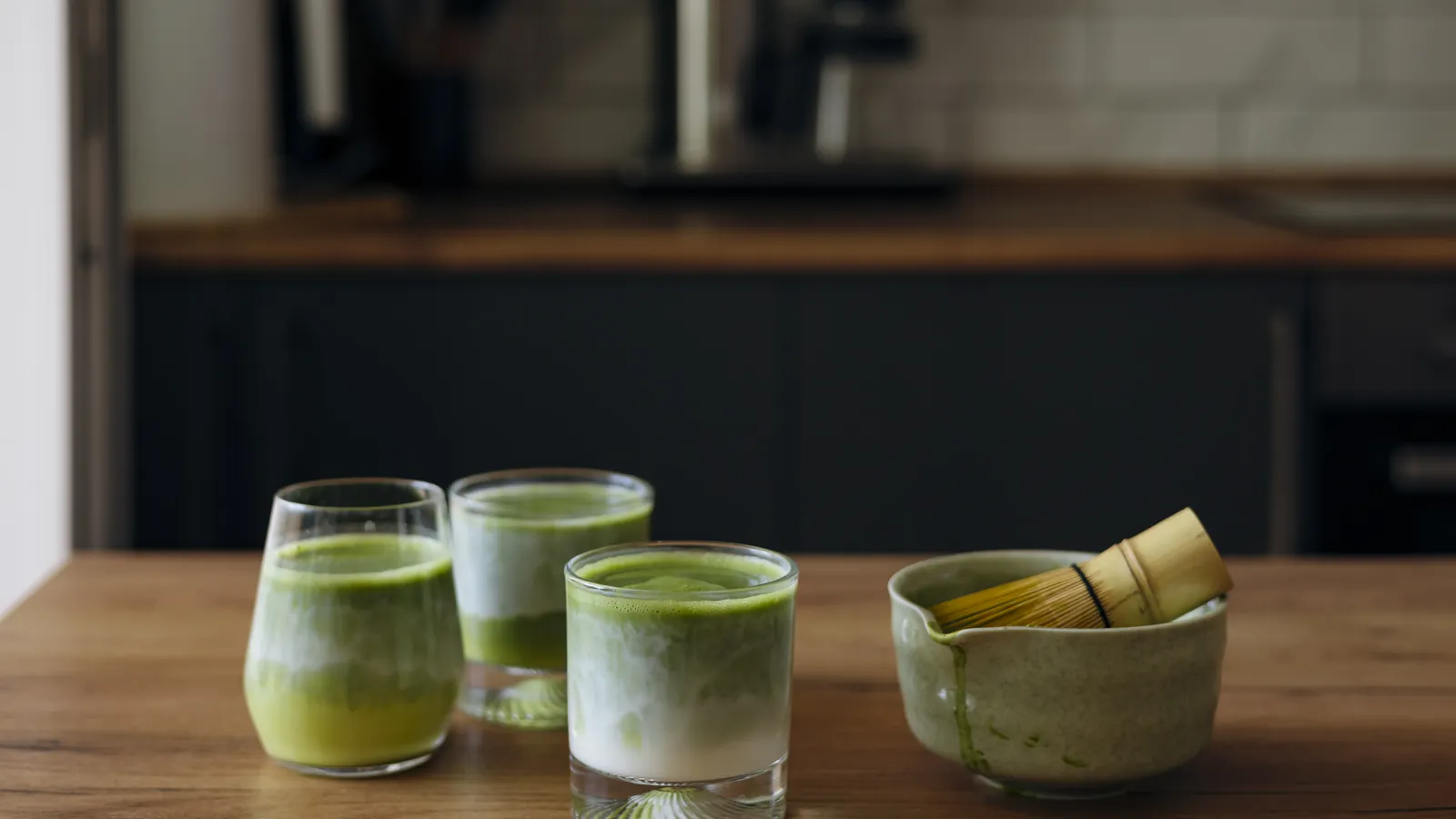
A seasonal matcha menu calendar plans your rotations around two things at once: the flavor trends your customers already expect each season, and Japan's actual tea harvest calendar, which gives you a genuine "new crop has arrived" story most cafes never think to use. This guide lays out a simple 12-month calendar tied to both, with a rule of thumb for how many rotations a cafe can actually run without burning out the bar or the budget.
Key takeaways
In this guide
Most cafes should run three to four seasonal matcha rotations a year, one per season, rather than a new limited-time drink every month. A quarterly cadence is frequent enough to feel fresh and give you a regular marketing moment, but infrequent enough that your bar staff aren't relearning a build every few weeks and your matcha inventory isn't fragmented across half a dozen barely-used SKUs.
This calendar is about timing and rotation, not the drink lineup itself; for the actual roles a matcha menu should fill, volume anchor, flavored crowd-pleaser, coffee crossover, ceremonial showcase, see matcha latte variations: a cafe menu playbook. Think of that guide as the "what," and this one as the "when."
The mistake to avoid is rotating your volume anchor itself. Your everyday matcha latte should stay constant year-round so regulars always know what they're getting; the seasonal rotation is a fourth or fifth SKU layered on top, not a replacement for the drink carrying most of your matcha revenue. Cafes that swap their core latte every quarter tend to see consistency complaints and lose the "usual order" habit that drives repeat visits.
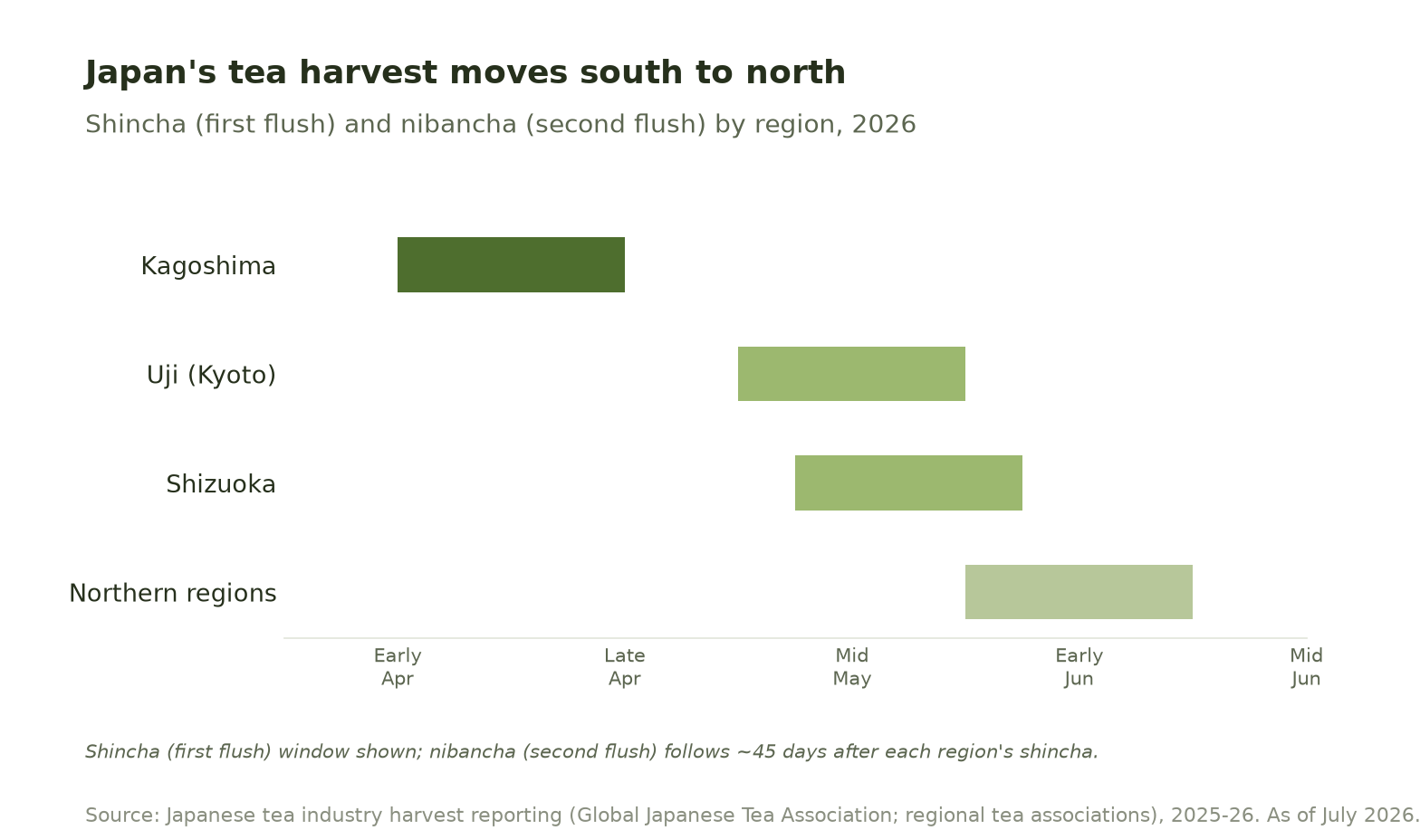
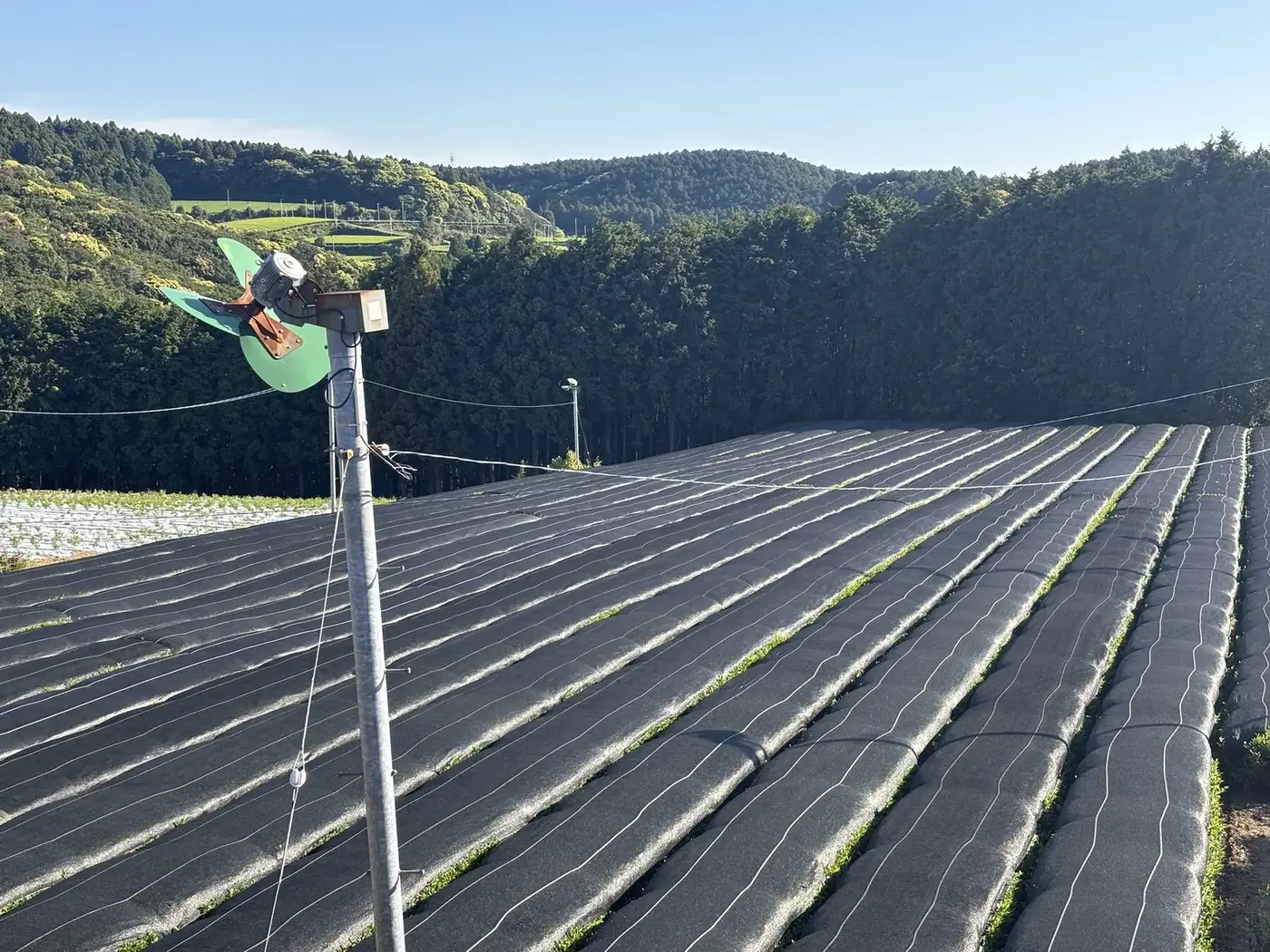
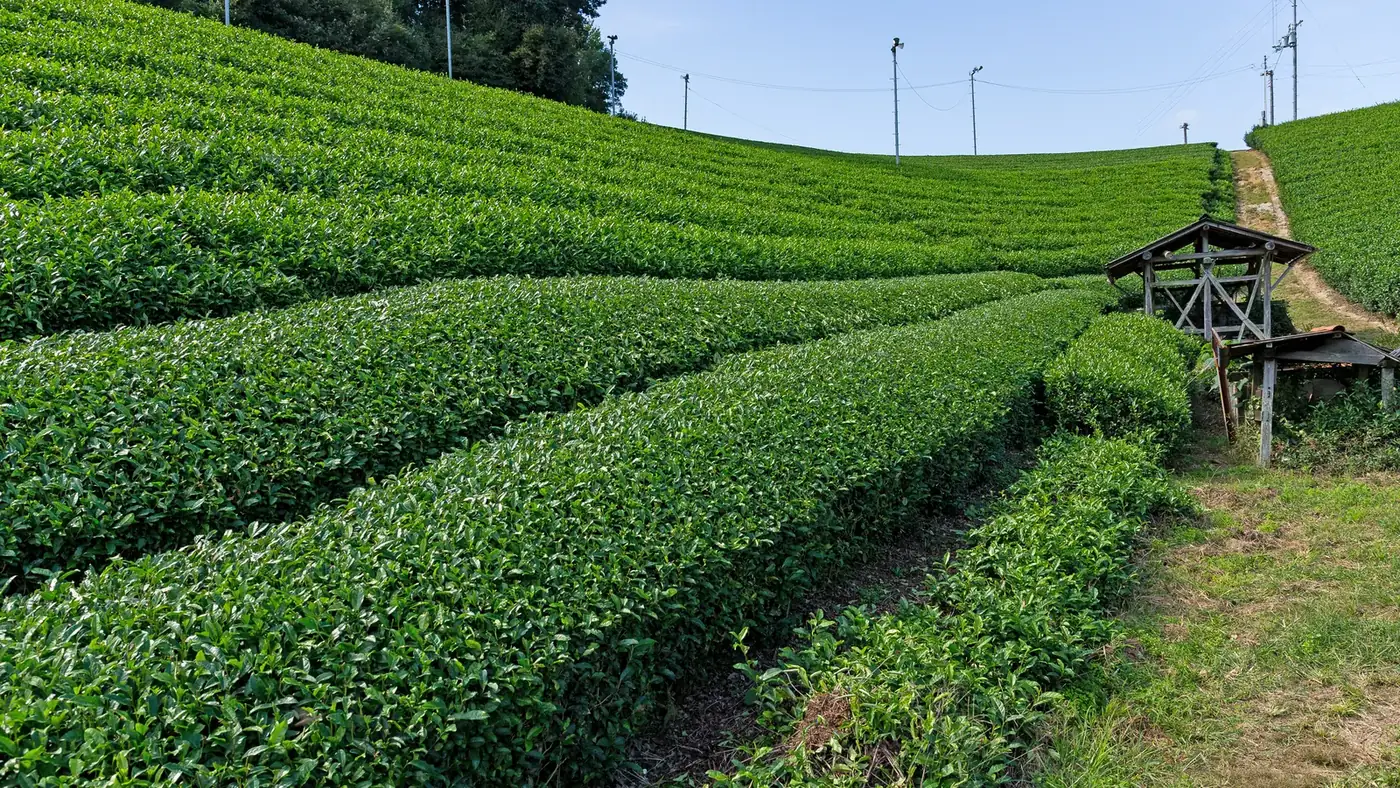
Japan's tea harvest calendar gives a cafe something almost no other seasonal ingredient offers: a real, verifiable "new crop has arrived" moment tied to an actual agricultural event on the other side of the world, not a marketing calendar invented by a beverage brand. Shincha, the first-flush harvest, begins in Kagoshima in early April and moves north through the country, reaching Uji and Shizuoka by late April to early May and northern regions by mid-May, roughly a four to six week window region by region. Nibancha, the second flush, follows about 45 days later, mid-June through early July.
For a cafe sourcing direct from Japan, this means your spring matcha restock genuinely can be "the new harvest," not a seasonal name slapped on the same tin you've been pouring since January. That's a specific, honest claim a syrup-based seasonal drink can never make, and it's worth building your spring launch around rather than burying in fine print. A simple in-store sign or social post naming the actual region and harvest week, "this batch is Kagoshima's first flush of 2026," does more for a spring launch than any invented flavor name, because it's specific and verifiable rather than generic seasonal marketing copy. Our Matcha for Cafes guide covers how this harvest timing connects to sourcing and lead times more broadly.
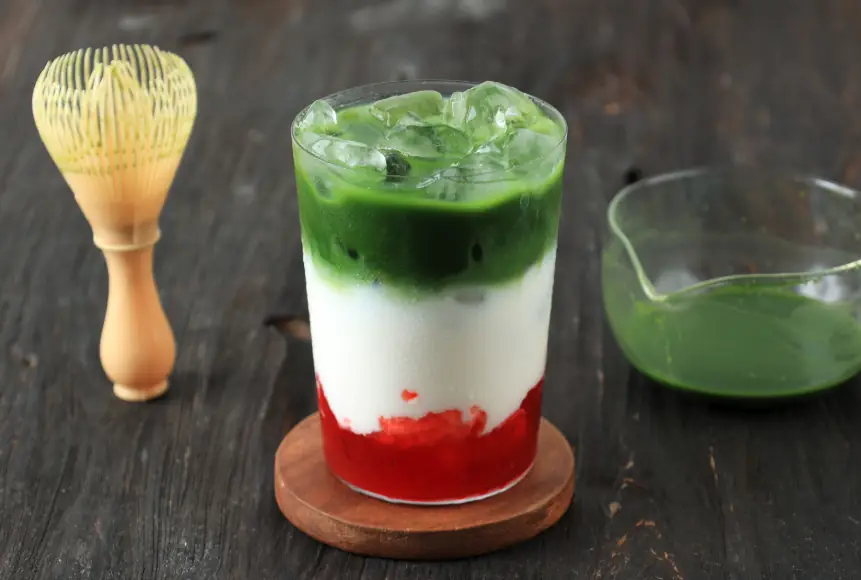
Spring is the moment to lean into both the new-harvest story and the season's proven flavor pairings. Matcha interest picks up reliably through March and into May, and strawberry and sakura are the flavor notes customers already expect this time of year, with strawberry matcha now a common fixture on spring cafe menus. Pair a spring strawberry or sakura matcha special with messaging about the new shincha harvest arriving from Japan, and you're combining a trend-driven flavor with a sourcing story that's actually true.
Keep the build itself simple, culinary or latte-grade matcha (not ceremonial) works fine under fruit and sweetener, since the flavor pairing is doing the work; save your best grade for a straight-whisked showcase instead. The specific build technique is covered in how to add matcha to your cafe menu and matcha latte variations.
Summer is when matcha search and sales peak, and iced or blended formats do almost all of the growth. Search interest in iced and frappuccino-style matcha climbs hardest from June through August, well past the spring peak in classic hot-latte searches, so this is the season to make sure your iced build is fast, consistent, and front-and-center on the menu rather than a footnote under the hot latte. Citrus, tropical, and cold-brew-adjacent pairings (peach, mango, watermelon, coconut) are the flavor notes doing the most work right now.
This is also the season where prep speed matters most, since summer is your highest-volume stretch. If you haven't already, this is the point in the year to make sure your iced matcha build is dialed in and your team can make it fast under pressure; see iced matcha for cafes for the full ratio and method guide, which this calendar deliberately doesn't repeat.
Fall is the season to pivot matcha away from the bright, fruity register of spring and summer toward warming, spiced, and roasted notes, pumpkin spice and roasted sweet potato are the flavor pairings customers are primed for by every other menu around them this time of year, and matcha's umami base carries spice better than most people expect. This is also the natural season to introduce hojicha as a companion SKU rather than a matcha variant, roasted, low-caffeine, and a genuinely different flavor register that still ships from the same Japan-direct order as your matcha.
Fall is a good checkpoint to review the year so far: which spring and summer specials actually sold, which grade and flavor combinations moved fastest, and whether your matcha volume is trending the way your menu pricing and margin assumptions expected. Use that data to decide what returns next spring rather than reinventing the calendar from scratch every year.
Winter is the season to spend your best matcha on a straight or lightly-prepared showcase drink rather than another flavored build. Search volume dips from its spring and summer highs, but winter customers are more receptive to a slower, more premium drink, vanilla, chestnut, and gingerbread-adjacent spice pairings work, but so does a simple, well-presented ceremonial-grade usucha (thin tea) at a premium price point, leaning into matcha's origin story during the season when customers have more patience for it. For the grade-level detail on what makes a showcase drink worth the price difference, see ceremonial grade matcha for cafes.
Winter is also a natural moment to feature the harvest that's now several months old and has had time to develop, and to start previewing the next shincha arriving in spring, closing the calendar loop back to where it started.
From the sourcing floor
The owners I work with are genuinely split on whether a seasonal rotation is worth it. Regulars do enjoy the change, and for some shops that is reason enough, but every new drink is training time and one more thing to hold on a small bar, and I have sat with owners who decided the calendar asked more of their team than it gave back. If what you want is the seasonal idea rather than the seasonal workload, we can blend to a flavour, sakura or yuzu for instance, so a change on your menu does not have to mean a new process behind the bar.
Plan a seasonal matcha launch six to eight weeks ahead of the date you want it on the menu, so your matcha order has time to arrive at standard lead times. Wholesale matcha typically ships in two to four weeks under normal conditions, but first-harvest shincha specifically can run eight to ten weeks from order to arrival given the seasonal demand spike, exactly the moment you'd want it for a spring launch. Ordering the week you want to launch is the single most common reason a seasonal special slips.
Build backward from your launch date: confirm the flavor and build with your team, place the matcha order (and any syrup, fruit, or spice components) with enough lead time for the slowest ingredient, and leave a buffer week before the announced launch date in case anything ships late. The full mechanics of wholesale lead times and how to negotiate them are in matcha wholesale pricing, MOQs, and lead times.
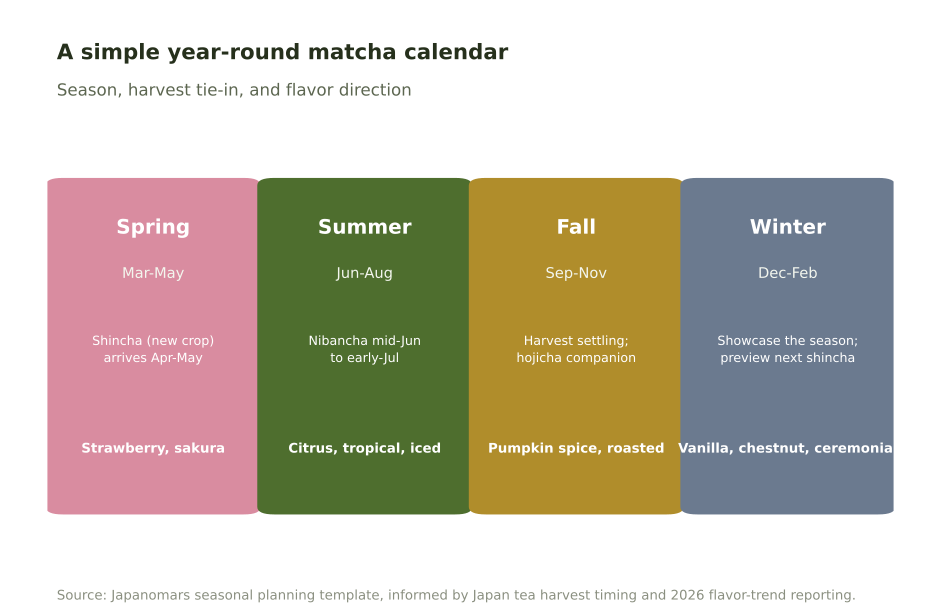
Use this as a starting template, not a fixed rule; adjust to your own customer base and region.
| Season | Months | Harvest tie-in | Flavor direction |
|---|---|---|---|
| Spring | Mar-May | Shincha (new crop) arrives Apr-May | Strawberry, sakura |
| Summer | Jun-Aug | Nibancha (second flush) mid-Jun to early-Jul | Citrus, tropical, iced |
| Fall | Sep-Nov | Harvest settling; hojicha companion launch | Pumpkin spice, roasted, warm |
| Winter | Dec-Feb | Showcase the season's harvest; preview next shincha | Vanilla, chestnut, ceremonial showcase |
Three to four rotations, roughly one per season, is the sweet spot for most cafes. More frequent rotation overwhelms bar staff and fragments matcha inventory across too many barely-used SKUs; less frequent misses easy, low-risk marketing moments.
Shincha is the first-flush harvest of the Japanese tea year, arriving in Kagoshima in early April and moving north through late April and May. It gives cafes sourcing direct from Japan a genuine "new crop has arrived" story to build a spring seasonal launch around, rather than an invented marketing theme.
Search interest and sales generally peak spring through summer, with classic hot matcha lattes peaking around March to May and iced or blended matcha climbing hardest from June through August. Demand softens, though doesn't disappear, going into fall and winter.
Six to eight weeks ahead of your target launch date for a normal seasonal order, and eight to ten weeks if you want matcha from the current shincha harvest specifically, since first-harvest demand runs tighter lead times than a standard reorder.
Yes. Summer favors iced, citrus, and high-volume builds when demand is highest; winter favors slower, more premium presentations, a ceremonial showcase or a warming spiced latte, when customers have more patience and volume is naturally lower. Trying to run the same drink format year-round leaves both seasons underperforming.
A seasonal matcha calendar works best when it does two things at once: follows the flavor pairings your customers already expect each season, and ties your spring launch to the one thing no competitor selling from existing inventory can claim, an actual new harvest arriving from Japan. Plan three to four rotations a year, order six to eight weeks ahead, and let the calendar repeat and improve year over year rather than reinventing it each season.
Japanomars ships direct from Japan's spring and summer harvests, so your seasonal launches can be built around real new-crop arrivals. Request samples and current harvest-timed pricing to plan next season's calendar.
Request samples & pricingHiroshi Asami is the founder of Japanomars, a Japanese matcha exporter supplying specialty cafes across the US, Canada, and the Philippines, working farm-direct with growers and regional tea factories in six producing regions. The harvest and lead-time calendar here reflects the order book he runs each season.
Sources
%E7%99%BD_%E5%A4%A7%E3%81%8D%E3%81%84.png)