%E5%A4%A7%E3%81%8D%E3%81%84.png)
Cafe Revenue · 2026
The afternoon slump is the single biggest revenue gap in most cafes: mornings are packed, but after the lunch rush the traffic thins out while your rent, staff, and lights run at full cost. Matcha is one of the most effective drinks for filling that gap, because its calm, no-crash energy is exactly what a 2pm customer wants when they've decided a second coffee will wreck their sleep. This guide covers why the afternoon is a structural problem for cafes, why matcha fits the daypart better than a second espresso, and how to actually build an afternoon matcha strategy.
Key takeaways
In this guide
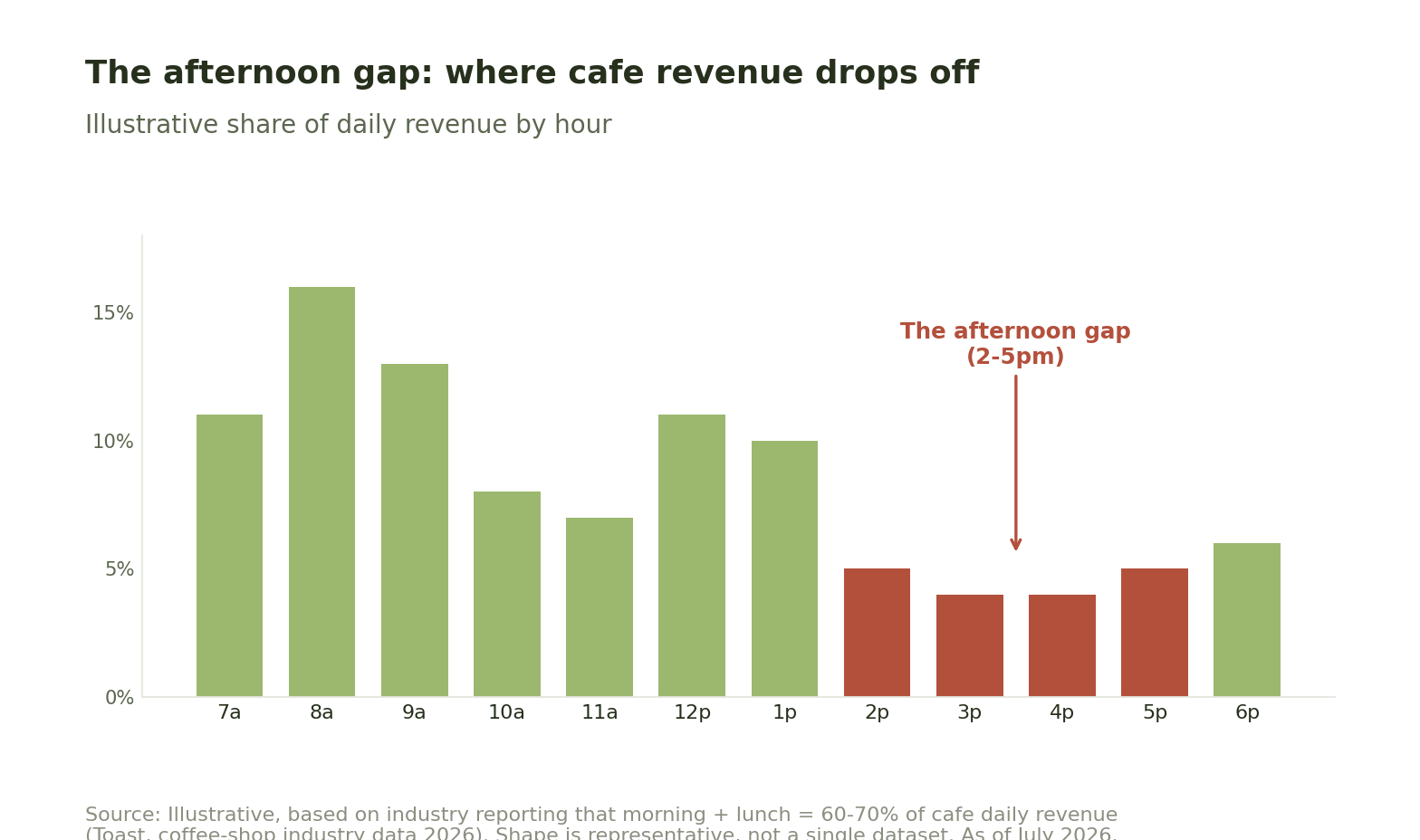
The afternoon is a structural revenue gap because cafes concentrate most of their sales into a few morning and midday hours while carrying fixed costs all day. The hours on either side, and especially the mid-to-late afternoon, run the same rent, staffing, and utilities against a fraction of the traffic. You will see confident daypart percentages quoted around the industry; treat them carefully, because they come from operator surveys and consultancies that slice the day differently and rarely publish their method. What is not in dispute is the shape: the morning peak carries the day, and the afternoon is where capacity sits idle.
The clearest evidence is what the biggest chain is doing about it. Starbucks has publicly framed the afternoon as a "reset" occasion it intends to own, and puts $11 billion of its sales after 11am, a window it describes as having room for a genuine second peak. Its own numbers point at tea as the lever: tea sales have climbed more than 70% since 2021, and as of February 2026 its year-round matcha lineup has tripled. Dutch Bros and 7 Brew are pushing the same window. The afternoon is the battleground, and matcha is one of the strongest tools an independent cafe has to compete in it without a chain's marketing budget.
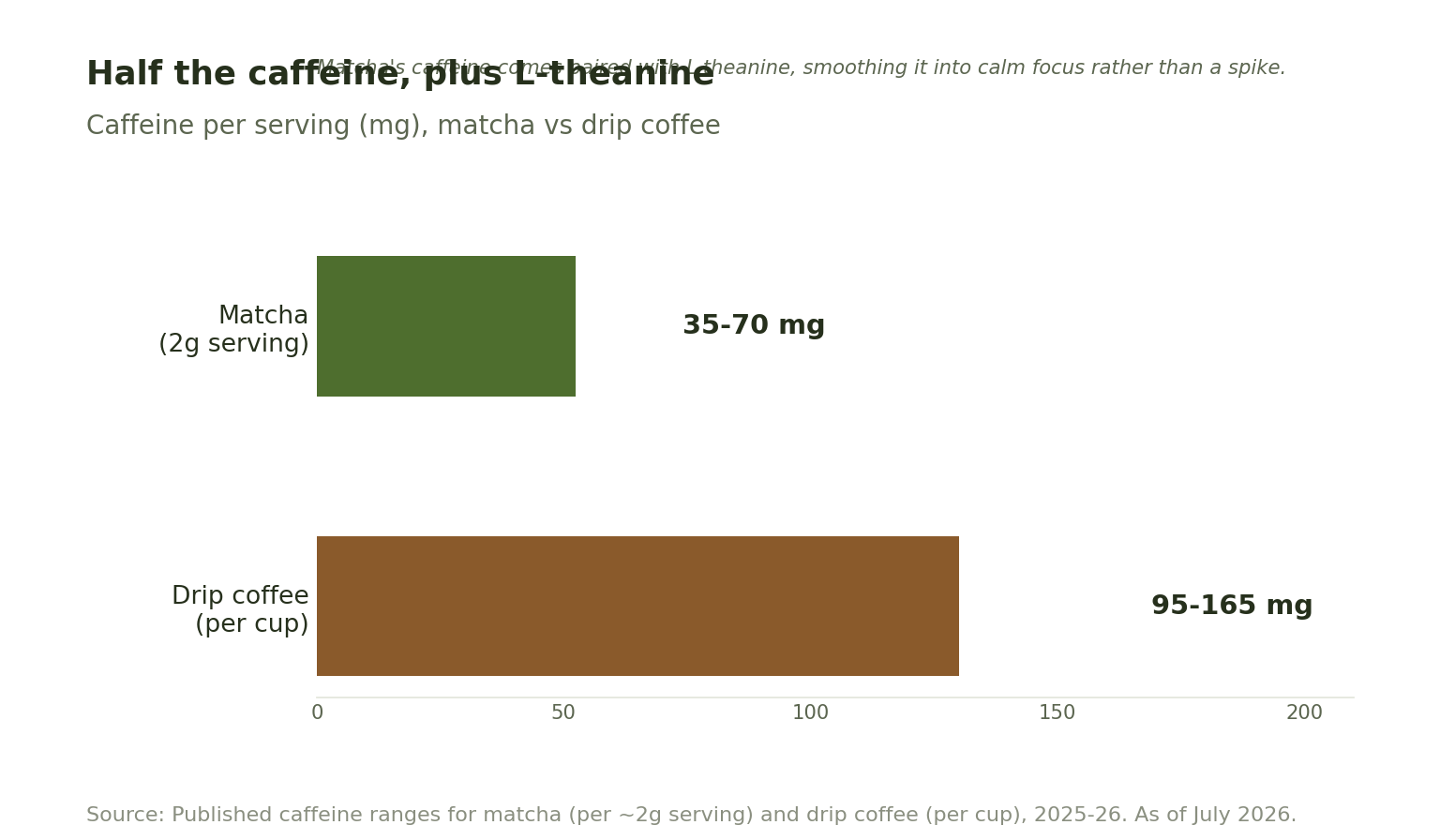
Matcha fits the afternoon because it gives a customer energy without the two things that make them decline a 2pm coffee: the jittery spike and the sleep disruption. Matcha's caffeine is delivered alongside L-theanine, an amino acid that smooths the caffeine curve into calm, sustained focus rather than a sharp peak and crash, and matcha carries roughly half the caffeine of drip coffee (about 35 to 70mg per serving versus 95 to 165mg for a cup of drip). For a customer who wants a lift but has already decided a second espresso is a bad idea, that combination is the whole pitch.
The sleep math is the part customers feel most directly. Caffeine has a half-life of roughly 5 to 6 hours, so a 2pm coffee can still have meaningful caffeine circulating at bedtime; matcha's lower dose plus L-theanine's calming effect means the same afternoon lift lands softer and later. This calm-energy difference is the core of matcha's afternoon appeal, and it's covered in full in matcha vs coffee: caffeine, L-theanine, and the calm-energy difference. For the afternoon daypart specifically, it's the reason a customer says yes to matcha at 2pm and no to a second coffee.
The afternoon matcha customer is usually looking for one of three things: a gentle energy lift that won't cost them sleep, a lower-caffeine option, or simply a break, a small, pleasant ritual in the middle of a working day. Unlike the morning customer racing through a commute, the afternoon customer often has more time, is less locked into a "usual" order, and is more open to trying something new, which is precisely why the afternoon is where a well-positioned matcha drink can win trial.
This willingness to experiment is a documented feature of the afternoon daypart: mornings are ritualized and habitual, afternoons are not. That means your afternoon matcha doesn't have to unseat a customer's morning coffee habit; it just has to be the appealing option in a moment when they're already inclined to try something different. A caffeine-sensitive customer, a pregnant customer, or someone simply winding down their caffeine for the day is an easier sell on matcha at 2pm than at 8am.

Building an afternoon matcha strategy is mostly a positioning and marketing exercise, not a capital investment, because you already own the equipment and stock the ingredients. The move is to deliberately frame matcha as the afternoon drink, through menu placement, staff prompts, and timing, rather than leaving it as a generic all-day option that customers only think of in the morning.
Three low-cost levers do most of the work:
An afternoon matcha lineup should lean into calm and comfort rather than the bright, high-energy framing of a morning drink. A classic hot or iced matcha latte is your anchor, but the afternoon is also where a lower-caffeine or caffeine-free companion earns its place: hojicha, the roasted Japanese green tea with very low caffeine, is a natural afternoon and evening option that ships from the same Japan-direct order as your matcha (covered in hojicha and other Japanese teas for your cafe menu).
Keep the afternoon menu tight and intentional: the everyday matcha latte, one seasonal or flavored matcha to drive trial, and one very-low-caffeine option (hojicha, or a lighter-dose matcha) for the customer who's cutting off caffeine entirely. For the broader menu-role framework, see matcha latte variations: a cafe menu playbook; for the afternoon specifically, the goal is simply to give the sleep-conscious 2pm customer a clear, appealing choice.
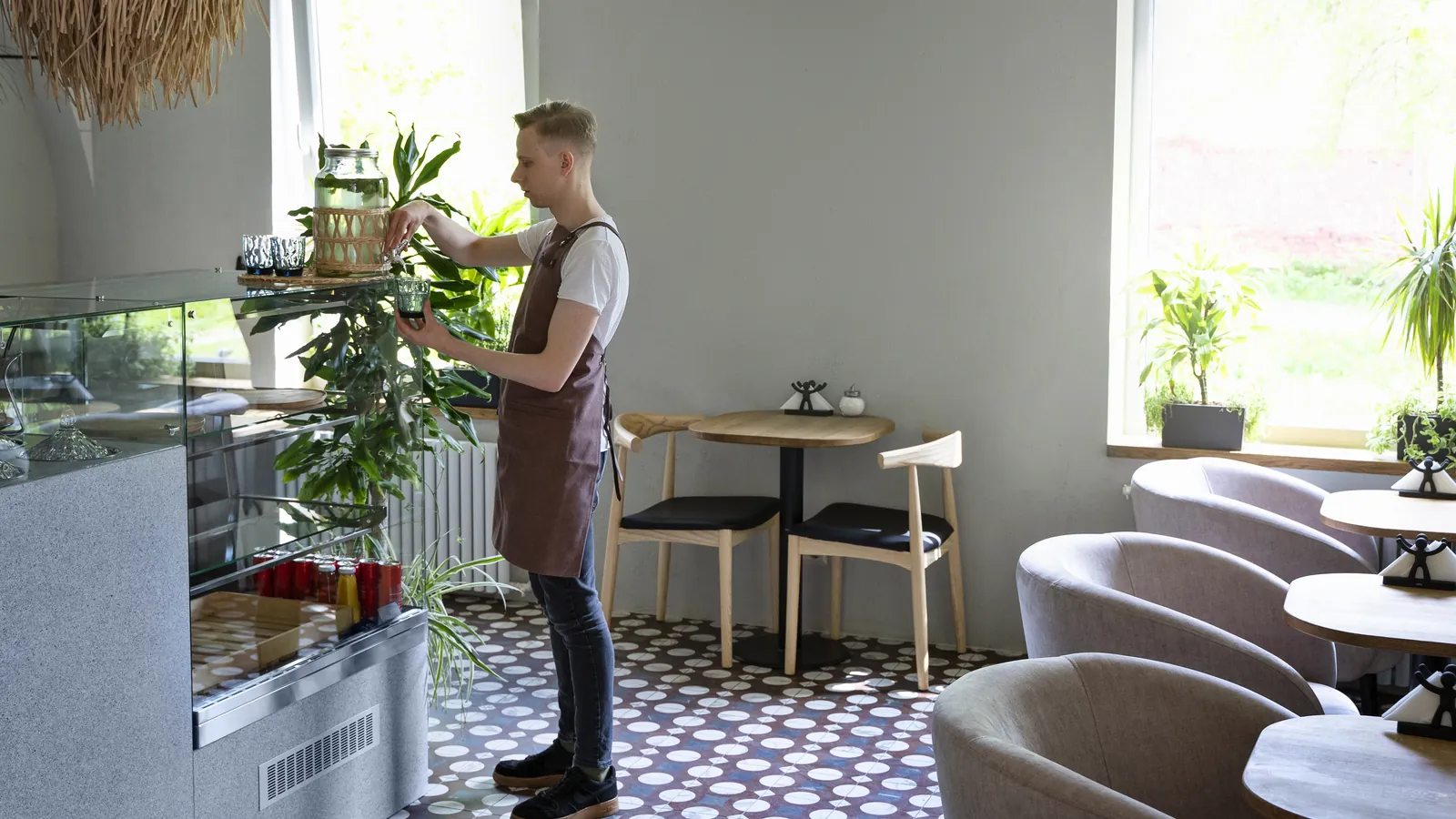
Market the afternoon daypart around the one thing your afternoon customer is quietly weighing: whether a second coffee is worth the lost sleep. Messaging that names that trade-off directly, "the afternoon lift that won't cost you sleep," or "half the caffeine of coffee, none of the crash", speaks to the actual decision the customer is making at 2pm, and it positions matcha as the smarter choice rather than just another drink.
Channel it where the afternoon customer is: in-store signage and table cards during the slow window, a social post timed to early afternoon rather than morning, and a staff prompt at the register. An afternoon happy-hour window (a small discount from, say, 2 to 5pm) gives you a concrete, promotable hook and a reason for customers to build a new afternoon habit around your cafe. The point is consistency: the afternoon matcha customer is a habit you're building over weeks, not a single promotion.
An afternoon matcha push pays off because it adds incremental revenue to hours you're already paying to keep open, at matcha's strong margins. Every afternoon matcha latte sold in an otherwise quiet 3pm hour is nearly pure contribution against fixed costs you're carrying regardless, and matcha's low ingredient cost means those drinks land at the same 70 to 85% gross margins covered in matcha menu pricing and margins for cafes. You're not adding cost; you're better using capacity you already own.
The realistic framing: this is a gradual habit-building play, not an overnight revenue jump. A handful of extra afternoon drinks a day, built into a repeatable habit over weeks, compounds into a meaningful lift on your worst daypart without new equipment, new staff, or new capital. Because matcha is already on your menu and in your inventory, the downside is close to zero, which makes the afternoon daypart one of the lowest-risk revenue experiments an independent cafe can run.
Most cafes concentrate their sales into the morning rush and lunch window, while rent, staffing, and utilities run at full cost all day. That leaves the mid-to-late afternoon as the biggest gap between fixed costs and actual traffic. Starbucks makes the same point with real numbers: it books $11 billion of sales after 11am and treats that window as an underdeveloped second peak rather than a settled one.
Yes. Matcha delivers energy through caffeine paired with L-theanine, which produces calm, sustained focus rather than a jittery spike, and it carries roughly half the caffeine of drip coffee. That makes it well suited to the afternoon customer who wants a lift but doesn't want a second coffee to disrupt their sleep.
A serving of matcha has roughly 35 to 70mg of caffeine, versus about 95 to 165mg for a cup of drip coffee. Combined with L-theanine's calming effect, matcha's lower dose is a genuine selling point for the sleep-conscious afternoon customer deciding whether a second coffee is worth it.
No. If you already serve matcha, an afternoon daypart strategy is a positioning and marketing move, not a capital investment. You use the same equipment, ingredients, and staff; the work is in menu framing, a staff prompt, and timing, plus optionally a small afternoon-window incentive.
A classic hot or iced matcha latte is the anchor. For the customer cutting caffeine entirely later in the day, add a very-low-caffeine option like hojicha (roasted Japanese green tea), which ships from the same Japan-direct order as matcha and rounds out an afternoon and evening menu.
Prompt it at the point of decision. Train staff to offer matcha to the customer eyeing a second coffee ("about half the caffeine, so it won't cost you sleep"), position it as the afternoon or second-drink choice on your menu, and consider a small afternoon happy-hour window to build a repeatable habit around your slowest hours.
The afternoon is the most underused window in most cafes, and matcha is one of the best tools an independent operator has to fill it, because it answers the exact objection that kills a 2pm coffee sale: the crash and the lost sleep. You already own the equipment and stock the ingredients, so building an afternoon matcha habit among your customers is one of the lowest-risk revenue experiments available to you. Frame it, prompt it, and give it a few weeks to compound.
Japanomars supplies specialty cafes with matcha and low-caffeine hojicha direct from Japan, so you can round out an afternoon lineup from one relationship. Request samples and current wholesale pricing to build a daypart strategy that fits your bar.
Request samples & pricingHiroshi Asami is the founder of Japanomars, a Japanese matcha exporter supplying specialty cafes across the US, Canada, and the Philippines, working farm-direct with growers and regional tea factories in six producing regions, and works with those cafes on how matcha earns its place on a menu.
Sources
%E7%99%BD_%E5%A4%A7%E3%81%8D%E3%81%84.png)