%E5%A4%A7%E3%81%8D%E3%81%84.png)
Quality Check · 2026
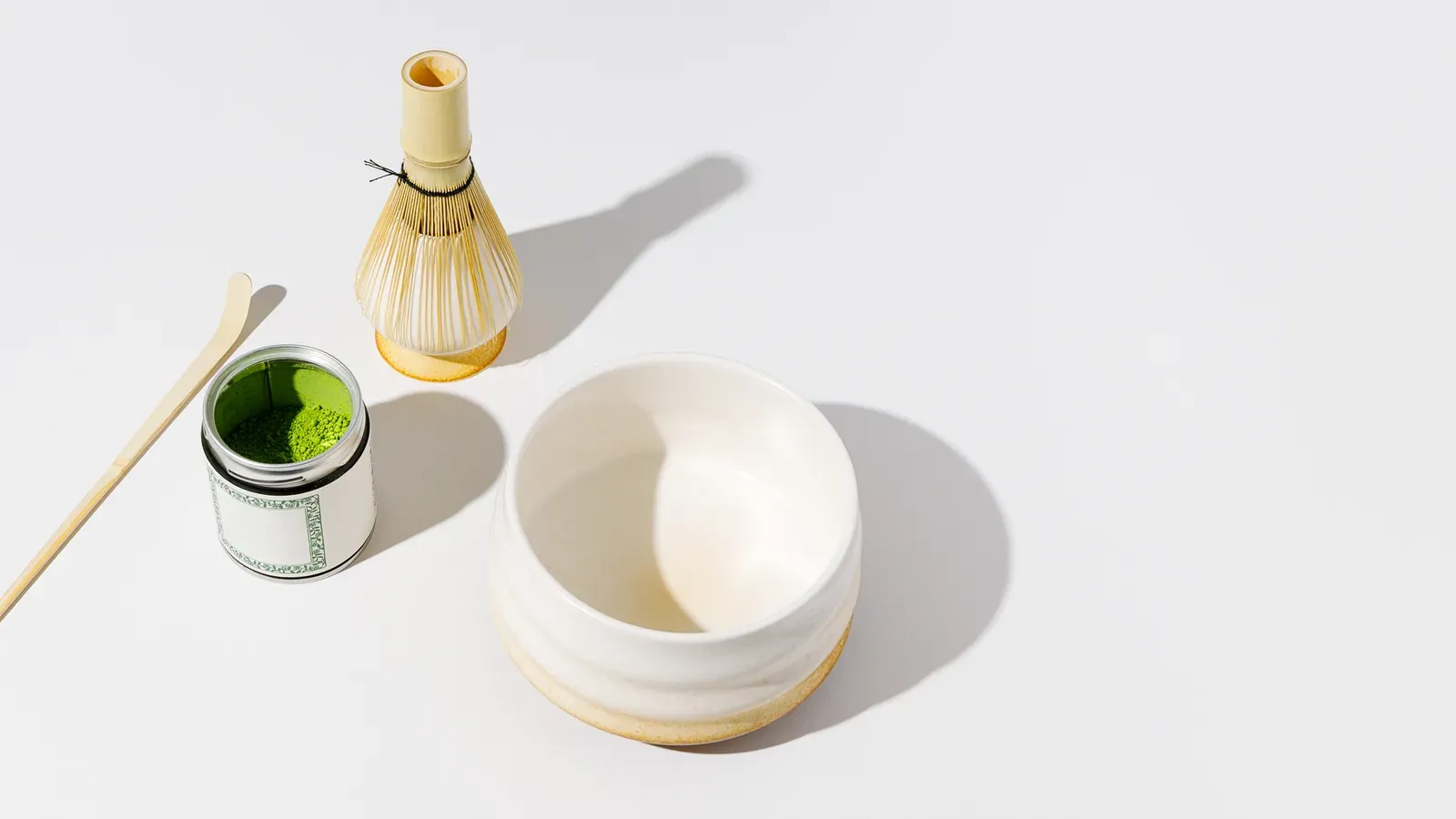
A matcha bench test is a short, hands-on check you run yourself on any sample before you commit to an order: a dry color and texture check, a whisk test for foam, a straight taste, then a real test in your own milk and over ice. It takes about 15 minutes per sample, needs nothing more than a scale, a bowl, a whisk, and your bar, and it catches most quality, freshness, and mislabeling problems that a spec sheet or a supplier's photos never will. This guide walks through the five steps, what each one actually tells you, and where a bench test stops and a lab certificate has to take over.
This bench test is the hands-on companion to what officially counts as real matcha: the ISO definition tells you what matcha must be, and these five steps are how you verify a sample lives up to it on your own bar.
Key takeaways
In this guide
A matcha bench test is a structured tasting you run yourself on any sample: check the dry powder, whisk it with hot water, taste it straight, then test it the way you will actually serve it. It takes about 15 minutes per sample and needs nothing more than a kitchen scale, a bowl, a whisk, and your own bar setup. The goal isn't to replace a lab; it's to catch what a lab report and a supplier's photos never show you: staleness, poor whisking behavior, and how the matcha performs once a real customer orders it.
This isn't a new idea, it's a compressed version of two existing traditions. Japanese tea appraisal has long judged tea on five criteria: shape, color and luster, liquor color, aroma, and taste. ISO/TR 21380:2022, the closest thing the industry has to an international matcha standard, formalizes a similar sensory check for matcha specifically: 2 grams whisked into 100ml of hot water, judged on froth, foam color, and taste. The five steps below turn both traditions into something you can run on any sample, whether it's a new harvest from your current supplier or a cold sample from a stranger. It builds on the quality traits in what makes matcha good and the vetting questions in how to find and vet a supplier: this is the physical test that follows the paperwork check.
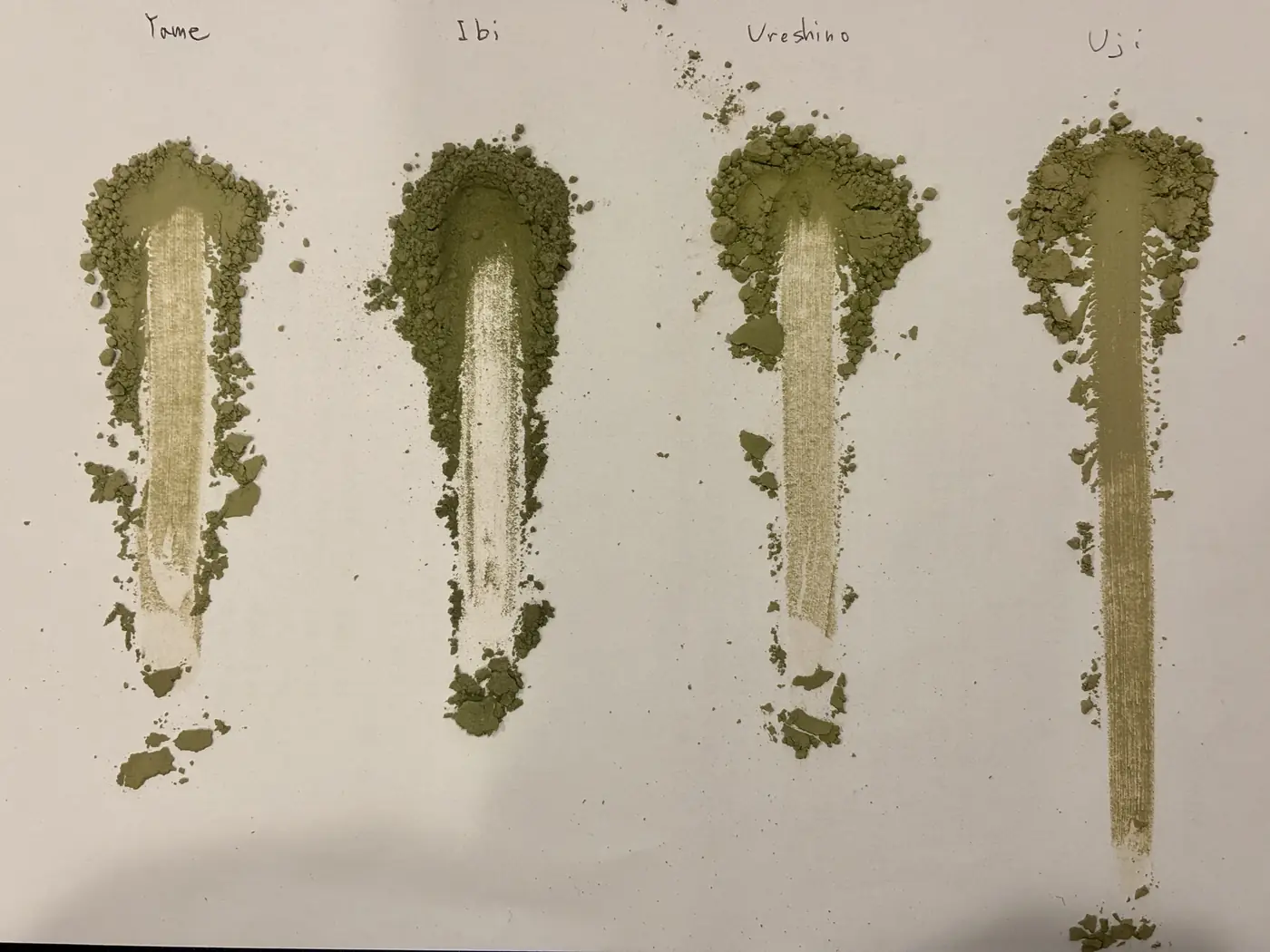
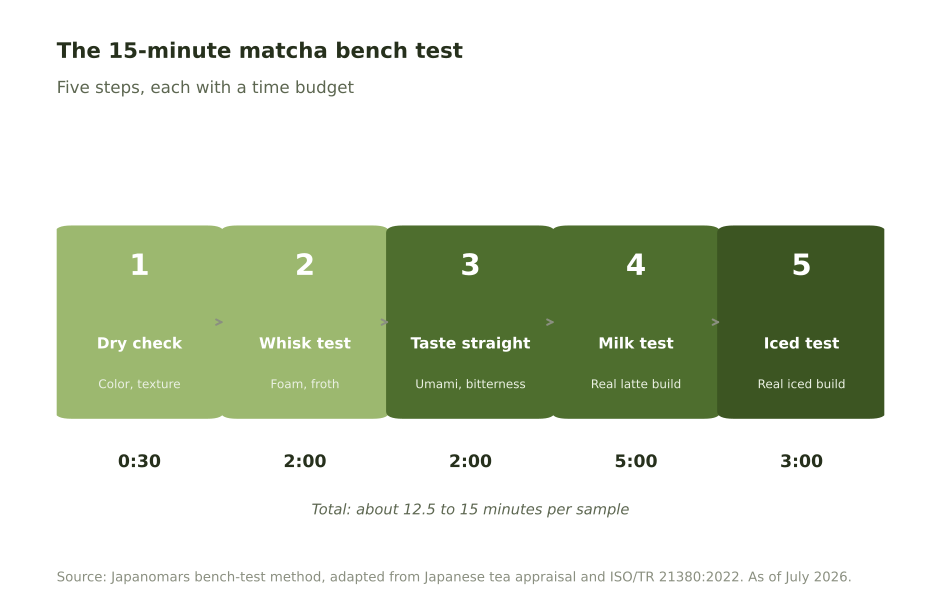
Before adding any water, tip a pinch of matcha onto white paper or a plate and look at it, then rub a little between your fingers. Genuine, fresh premium matcha is a fine, bright jade-green powder with no dull olive or brownish tint, and it should feel silky, almost like fine cosmetic powder, not gritty or clumped. This 30-second check alone screens out a large share of stale or lower-grade samples before you've used a drop of water.
Color and texture trace back to shading and milling, the two things that make matcha good in the first place. Shading before harvest raises chlorophyll, giving properly made matcha its vivid green; a faded, olive, or brownish tone usually means lost freshness from light, heat, or air exposure (see matcha storage, freshness, and shelf life). Texture points to milling: well-milled matcha sits in roughly a 10 to 30 micron particle range, median under 20 microns, fine enough to feel like silk. Gritty or sandy under your fingers usually means a coarser grind, whatever the mill, a distinction covered in matcha grades explained.
Weigh 2 grams of matcha into a bowl, add about 70ml (roughly 2.5oz) of hot water around 175°F, and whisk briskly in a fast "W" or zigzag motion for 15 to 20 seconds. Real, well-processed matcha froths into a fine, pale, long-lasting foam that holds its structure for a minute or more. A powder that produces big, uneven bubbles that collapse almost immediately, or that barely foams at all, is telling you something is wrong with the grind, the leaf, or the age of the sample.
This mirrors the ISO/TR 21380 sensory method (2 grams in 100ml of hot water, judged on froth and foam color); the ratio above is simply tightened to match how a cafe preps a latte base. Two failure signs beyond weak foam: sediment that sinks and sits visibly within a few seconds (poor micronization or moisture problems), and foam that looks fine at first but collapses within 30 seconds (usually stale or improperly stored stock).
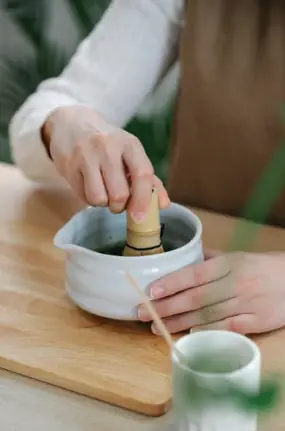
Taste the bowl you just whisked in Step 2, with nothing added; no separate prep is needed. A quality sample should taste primarily savory and rounded (umami), with a clean, brief bitterness at the finish and no harsh, lingering astringency or a flat, hay-like flavor. If the very first note you get is sharp bitterness or a dry, chalky, dusty taste, the sample is either a lower grade than advertised, old stock, or made from leaf that wasn't properly shaded.
This flavor profile traces directly back to shading: it raises L-theanine and other amino acids that read as sweetness and umami, while holding back the bitter catechins that dominate unshaded leaf. That's the same amino acid most often cited for matcha's calm-energy effect, covered in matcha vs coffee. A sample that tastes flat or aggressively bitter straight is rarely a matter of taste preference; it's usually a processing or freshness problem you can point to directly.
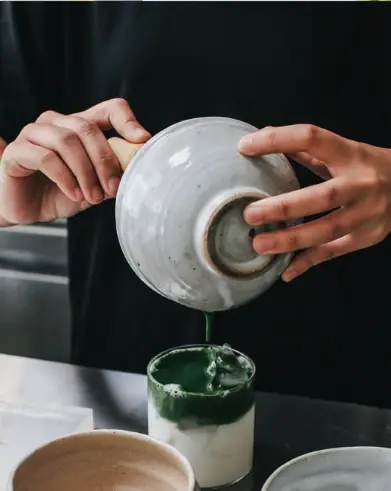
Make the drink your customers will actually order: steam or froth your usual milk (or your house oat or almond alternative), and build a real matcha latte at your normal ratio. Some matcha that tastes clean straight turns muddy, weak, or oddly bitter once milk and heat hit it, while a matcha built for beverage use holds its color and umami through the fat and the heat. This is the single most commercially relevant step of the whole test, because it's the actual product your customer receives.
Don't assume "ceremonial" automatically wins this step. Ceremonial-grade matcha is built for drinking straight in a tea bowl, not necessarily for standing up to steamed milk, while a well-made café or beverage-grade matcha is often formulated to cut through dairy and stay vivid in a latte, without being an inferior product. That distinction is covered in ceremonial grade matcha for cafes. If a sample is destined for your latte menu, this step matters more than how it tasted in Step 3.
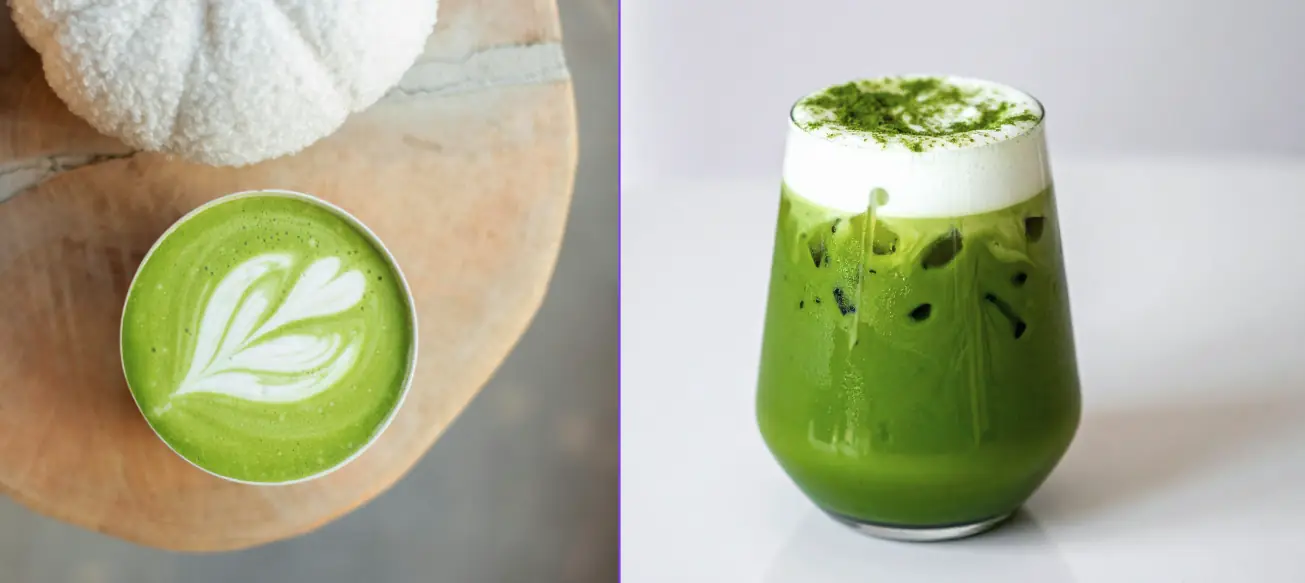
Repeat the same drink over ice at your standard iced-matcha dilution. Cold water and ice mute sweetness and amplify bitterness and any chalky texture, so a matcha that tasted balanced hot can turn thin, harsh, or flat once it's poured over ice. If a sample is going on your menu as an iced matcha, which is often the bigger seller through the warmer months, testing it hot only is not a real test.
Run this the same way you'll actually serve it: your standard ice-to-liquid ratio, your usual milk or water base, and no adjustments made just to flatter the sample. The full method and ratio guidance for building this drink correctly is in iced matcha for cafes. A sample that survives the whisk test, the straight taste, and the milk test but falls apart iced still isn't the right pick if iced matcha is a meaningful share of your sales.
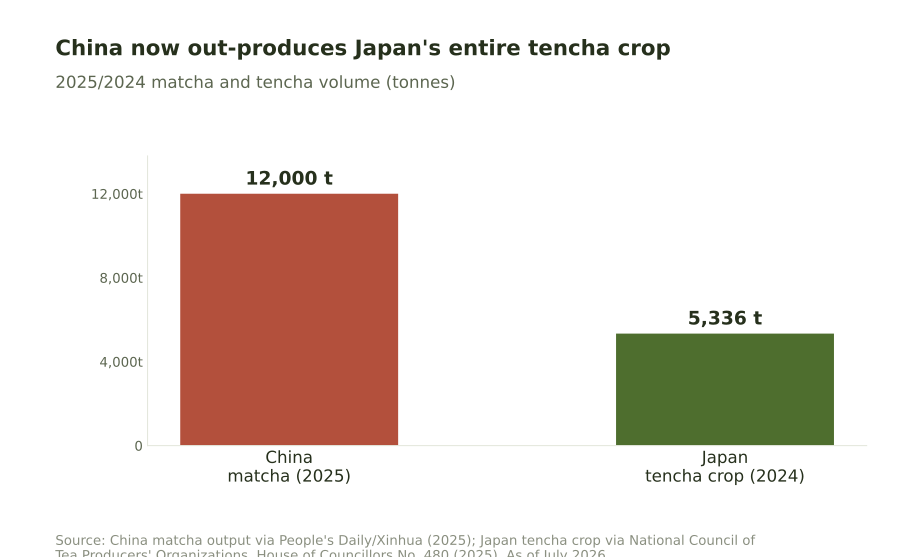
Bench testing matters more this year because the label on a bag of matcha is less reliable than it used to be. China now produces the majority of the world's matcha (roughly 12,000 tonnes in 2025, well over Japan's entire 5,336-tonne tencha crop), and mislabeled "Uji Matcha" made from Chinese-grown leaf has been found circulating in export markets, riding on the reputation of Japan's most famous matcha region. A bench test is a check no certificate or brand name on a bag can substitute for.
Japan's own tea industry has responded: the Japan Tea Industry Central Association filed for national Geographical Indication (GI) protection for Japanese tea in October 2025, specifically citing counterfeit "Uji Matcha" as a driver, and the registration was granted on July 10, 2026; see what the GI means for matcha buyers. Demand is rising in step too: Japan's green tea exports hit a record ¥72.1 billion in 2025, with powdered tea, matcha included, doing most of the driving. Until GI enforcement reaches export markets, your own dry, whisk, and taste check on every new sample is the practical backstop.
From the sourcing floor
I should be straight with you: I do not run all five steps on every lot. What I do every time is simpler, and it is the first three. I look at the colour, I smell it, and I drink it. Then I check the thing people forget, which is whether what arrived is actually what I ordered. That sounds obvious until the day you open a shipment you booked as hojicha and find matcha in the bag, which is why I put the paperwork check right next to the tasting rather than treating them as separate jobs.
A bench test is fast and free, but it cannot verify heavy metals, pesticide residue, radiation testing, or the exact prefecture and harvest a supplier claims. Those require a current lab certificate of analysis (COA) from an accredited lab, which any legitimate wholesale supplier should be able to produce on request, alongside the country-of-origin and customs paperwork that matters once the matcha is actually crossing the border into the US.
Use the bench test to shortlist and screen; use documents to verify what you can't taste. Our guide to matcha COAs, heavy metals, and lab testing covers what a COA should include and how to read one. For the supplier-vetting questions that should accompany any sample request, see how to find and vet a Japanese matcha wholesale supplier; for what actually happens at the US border, see importing matcha into the US.
Score each sample 1 to 5 on the five steps above right after you run them, while the taste is still fresh in your mouth. Running two or three samples side by side, rather than one at a time on different days, makes the differences much easier to see and remember.
| Sample | Dry check (1-5) | Whisk/foam (1-5) | Straight taste (1-5) | Milk test (1-5) | Iced test (1-5) | Notes |
|---|---|---|---|---|---|---|
| Sample A | ||||||
| Sample B | ||||||
| Sample C |
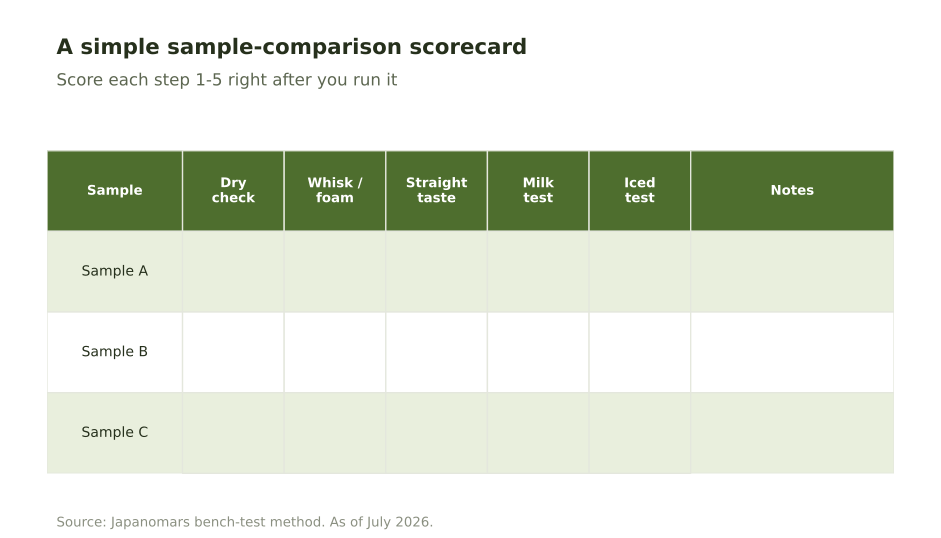
Keep completed scorecards on file. When a supplier's harvest changes season to season, a quick re-test against your old scorecard is the fastest way to catch drift before it reaches a customer's cup.
A kitchen scale, a small bowl, a whisk (a bamboo chasen works best, but a small handheld milk frother is a fine substitute), hot water around 175°F, and your normal bar setup for the milk and iced steps. No lab equipment is required for any of the five steps.
About 5 to 10 grams is enough to run the full five-step test with a small margin for error, since the whisk test alone only uses 2 grams. Most suppliers can provide a sample of this size at no cost or a low sample price.
Around 175°F (roughly 80°C) for both the whisk test and the milk-base prep. Boiling water can scorch the delicate compounds in high-quality matcha and push the taste toward bitterness, which can make a good sample look worse than it is.
Large, uneven bubbles that collapse within seconds, a flat surface with little to no foam at all, or foam that looks fine at first but disappears within 30 seconds. Any of these point to a coarser grind, older stock, or matcha that wasn't properly shaded.
It catches practical signs like poor color, weak foam, and off flavors, but it can't prove origin on its own. A sample can taste reasonable and still be mislabeled. Pair it with a supplier's documentation and a direct relationship with the source, covered in how to find and vet a supplier.
Two or three at a time is the practical limit for keeping your palate accurate; matcha's bitterness and umami are easy to lose track of after more than three straight tastings in a row. If you have more candidates, test in small rounds with a short break between them.
It's a simplified, buyer-focused version. Professional Japanese tea appraisal judges five criteria (shape, color, liquor color, aroma, taste), and ISO/TR 21380 formalizes a similar sensory method for matcha. This test compresses both into steps a cafe can run in 15 minutes, adding the milk and iced steps a formal tasting panel wouldn't need but a cafe does.
A dry check, a whisk test, a straight taste, and a real test in your milk and over ice will tell you more about a matcha sample in 15 minutes than most spec sheets tell you in a week, and it matters more in 2026 than it used to, with mislabeled matcha spreading faster than any single certification can catch up to. Run it on every sample before you commit, and keep the scorecards so you can catch drift over time.
Request a sample set of our current Kagoshima and Kyushu harvest lots, along with current wholesale pricing, and run this exact test against whatever you're comparing us to.
Request samples & pricingHiroshi Asami is the founder of Japanomars, a Japanese matcha exporter supplying specialty cafes across the US, Canada, and the Philippines, working farm-direct with growers and regional tea factories in six producing regions, and has hosted cafe owners on farm visits to partner growers in Japan.
Sources
%E7%99%BD_%E5%A4%A7%E3%81%8D%E3%81%84.png)