%E5%A4%A7%E3%81%8D%E3%81%84.png)
Health & Safety · 2026
Updated October 2026: caffeine figures aligned with Japan's official food composition tables and the FDA, pregnancy limits now shown by country, and new sections on medication and what to say at the counter.

For almost everyone, yes: matcha is safe in normal amounts, roughly one to three servings a day. The real side effects are ordinary and manageable: caffeine, a quirk with iron absorption at mealtimes, and a vitamin K point for people on blood thinners. The liver-damage headlines belong to concentrated green tea extract pills, not the whisked drink. This guide gives cafe owners the short, sourced answers customers now ask for at the counter.
What this page is for. This is the safety page: thresholds, who should be careful, and what your staff can say. It is not the benefits page or the caffeine math page. For why matcha is worth drinking, see the health benefits of matcha. For milligrams by dose, grade and drink, use the matcha caffeine content chart. For contaminant testing in detail, read how to read a matcha CoA for heavy metals.
Quick facts
In this guide
Short answer: yes, in normal amounts. Matcha is shade-grown green tea leaf ground to powder, so a cup delivers the whole leaf rather than an infusion of it. That means more catechins (chiefly EGCG) and more of the amino acid L-theanine than steeped tea. Customers describe the effect as calm energy, and that is a fair selling point, not a health claim you need to stretch.
The same whole-leaf fact is why safety questions come up. Whatever is in the leaf ends up in the cup: the good compounds, the caffeine, the vitamin K, and anything the leaf picked up in the field. The rest of this page goes through each one with the threshold that matters. For the benefits side of the ledger, see our guide to the real health benefits of matcha.
About 64 mg in a standard 2 g serving, which is less than a drip coffee. Japan's Standard Tables of Food Composition list matcha at 3.2 g of caffeine per 100 g of powder, or 32 mg per gram. Independent lab work has measured some commercial powders lower, around 14 to 16 mg per gram, so treat 64 mg as the conservative planning figure. It feels different from coffee because L-theanine travels with it.
| Drink as poured | Caffeine | Source |
|---|---|---|
| Matcha, 2 g serving | About 64 mg | Japan Standard Tables of Food Composition 2020 |
| Iced matcha, 3 g serving | About 96 mg | Same table, 32 mg per gram |
| Drip coffee, 8 oz | 80 to 100 mg | US FDA |
| Double espresso, 2 fl oz | About 127 mg | USDA FoodData Central |
| Dirty matcha, 2 g plus a double shot | About 190 mg | Sum of the rows above |
The practical points for your bar:
The full dose, grade and drink math is in the matcha caffeine content chart, and why the same caffeine feels different is covered in matcha vs coffee: caffeine, L-theanine, and the calm-energy difference.
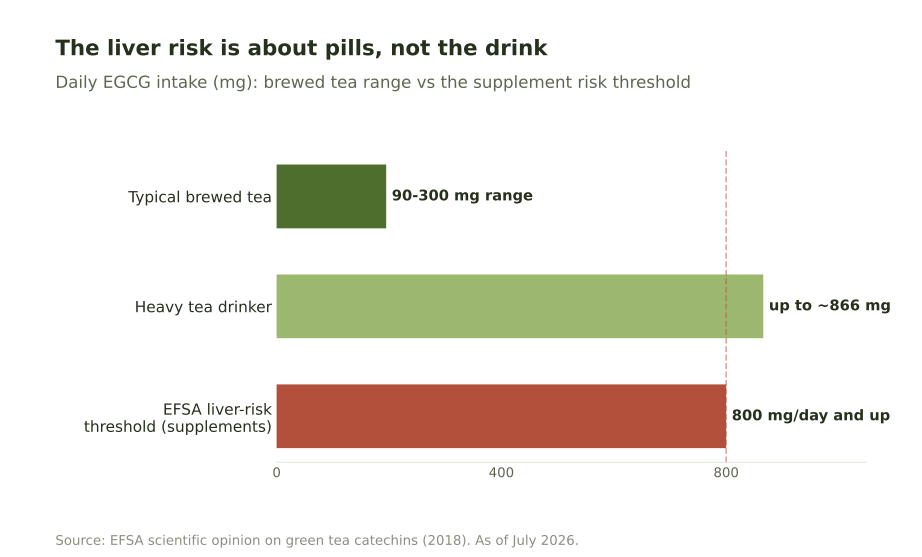
No evidence ties normal matcha drinking to liver damage; the warnings are about extract supplements. The headlines trace to the European Food Safety Authority's 2018 opinion on green tea catechins. EFSA found that 800 mg or more of EGCG a day, taken as a food supplement, raised liver enzymes (serum transaminases) in trials. For traditionally prepared green tea, EFSA concluded the drinks are in general considered safe at the intakes reported in Europe, which it put at 90 to 300 mg of EGCG a day on average and up to about 866 mg for high consumers. It also noted rare liver cases after tea infusions, most likely idiosyncratic reactions.
The EU then turned that into law. Commission Regulation (EU) 2022/2340 restricts green tea extracts so that a daily portion of food must contain less than 800 mg of EGCG, requires warnings on those products, and excludes aqueous extracts whose drink is comparable to a traditional green tea infusion. In plain terms: the rule targets concentrated pills and fortified products, not a bowl of tea.
One honest caveat. Because you drink the whole leaf, matcha is the most EGCG-dense way to take tea; one study found the EGCG available from matcha was at least three times the highest value reported for other green teas. So the sensible line for a customer is: a few cups a day is ordinary tea drinking, but a very heavy matcha habit should not be stacked with green tea extract capsules. That stack is a conversation for their doctor.
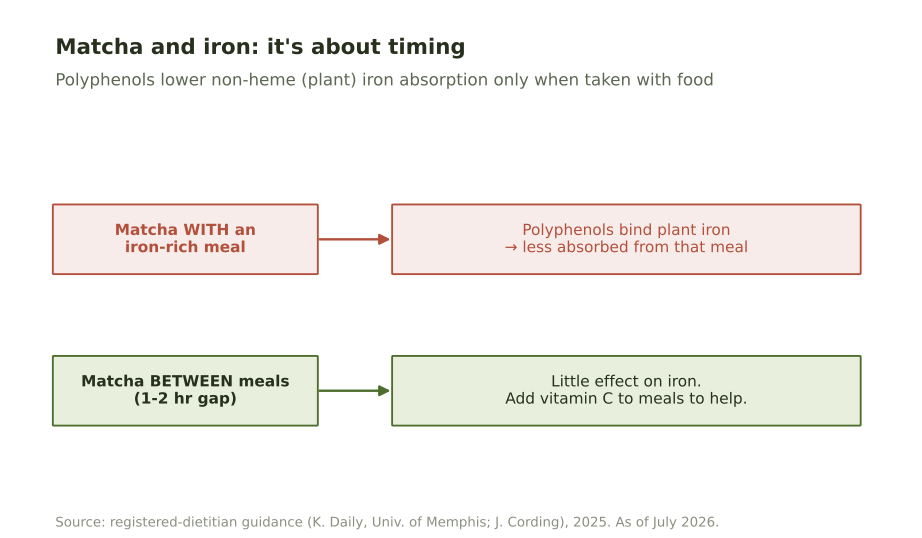
Partly, and only for iron eaten at the same time. Tea polyphenols bind non-heme iron, the form found in plants and fortified foods, and reduce how much is absorbed from a meal taken with tea. This is the kernel of truth behind the viral 2025 claim that matcha causes anemia. Matcha does not cause anemia by itself; it can lower iron uptake from food eaten alongside it.
The fix is timing. A review of tea and iron absorption recommends that people at risk of iron deficiency drink tea between meals rather than with them, and pair meals with vitamin C or with meat, fish or poultry, which improve absorption. For most customers, a matcha between meals carries no meaningful iron penalty. The people to remind are those already managing low iron, and pregnant customers, whose iron needs rise.
Generally yes, within a total caffeine budget, and the budget depends on where your customer lives. US obstetricians (ACOG) and the EU's food safety authority use 200 mg a day. Health Canada uses 300 mg. The WHO frames it as advice to lower intake for anyone above 300 mg a day. At about 64 mg per 2 g serving, the 200 mg budget allows roughly three servings with no other caffeine, or one to two alongside a morning coffee.
| Guidance | Daily caffeine in pregnancy | 2 g matcha servings, nothing else |
|---|---|---|
| US: ACOG | Under 200 mg | About 3 |
| EU: EFSA | Up to 200 mg | About 3 |
| Canada: Health Canada | No more than 300 mg | About 4 |
| WHO | Lower intake if above 300 mg | About 4 before the advice applies |
Two honest caveats worth giving a pregnant customer:
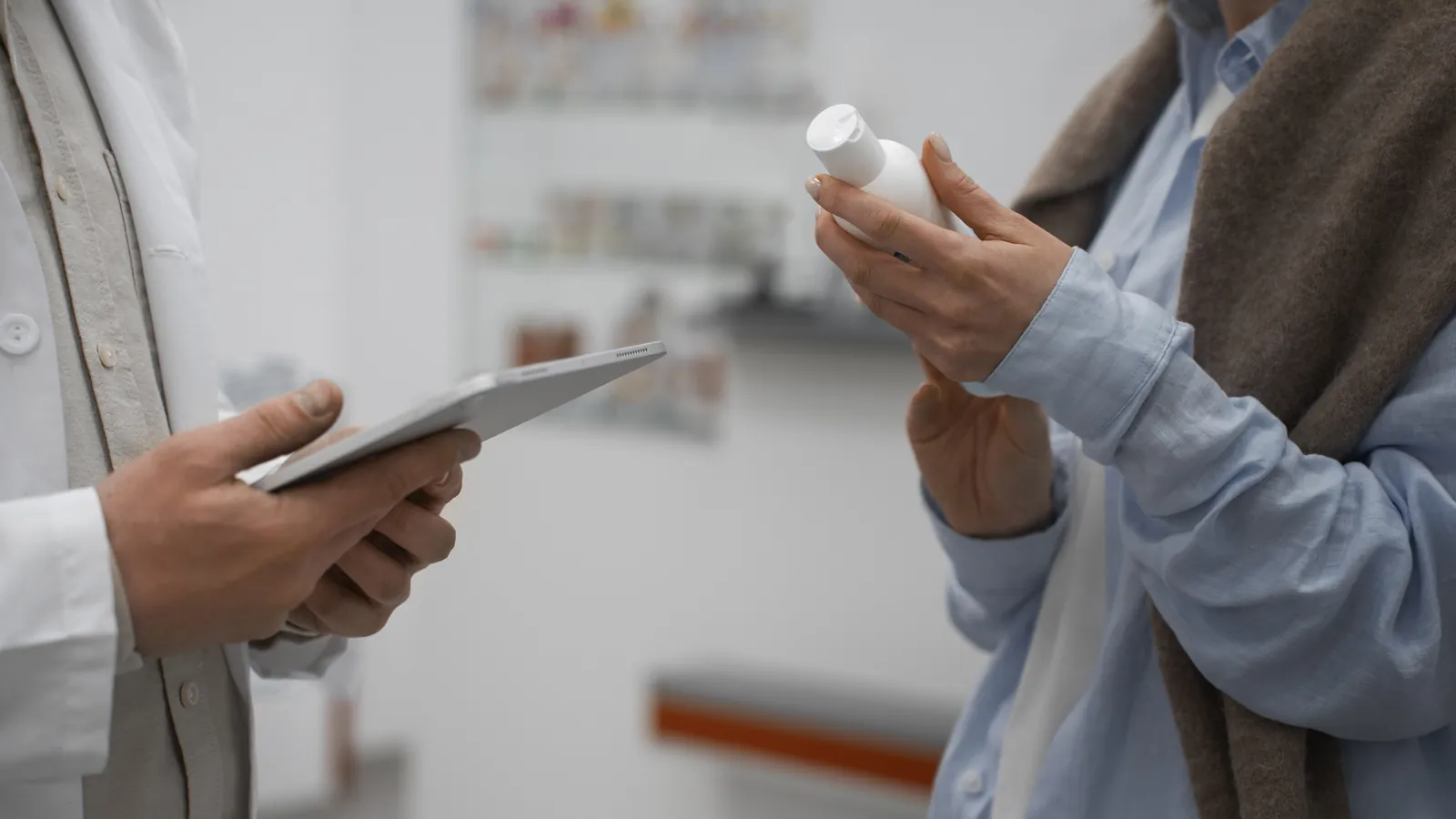
The responsible line at the counter is that individual medical questions belong with their doctor or midwife. You are offering a sensible default, not medical advice.
The one to know is vitamin K and blood thinners. Japan's food composition tables list matcha powder at 2,900 µg of vitamin K per 100 g, about 29 µg per gram, so a 2 g serving carries roughly 58 µg. For comparison, the US adequate intake is 90 µg a day for women and 120 µg for men. Steeped tea leaves most of this behind in the leaves; matcha does not, because you drink the leaf.
Vitamin K works against warfarin, and the standard advice for people on warfarin is to keep vitamin K intake consistent from day to day rather than to avoid it. So a customer who has a matcha every morning is in a different position from one who suddenly starts drinking three a day. The right answer at the counter is short: matcha does contain vitamin K, and anyone on a blood thinner should check their usual amount with their pharmacist. Caffeine also interacts with some medications, which is one more reason medication questions go to a pharmacist.
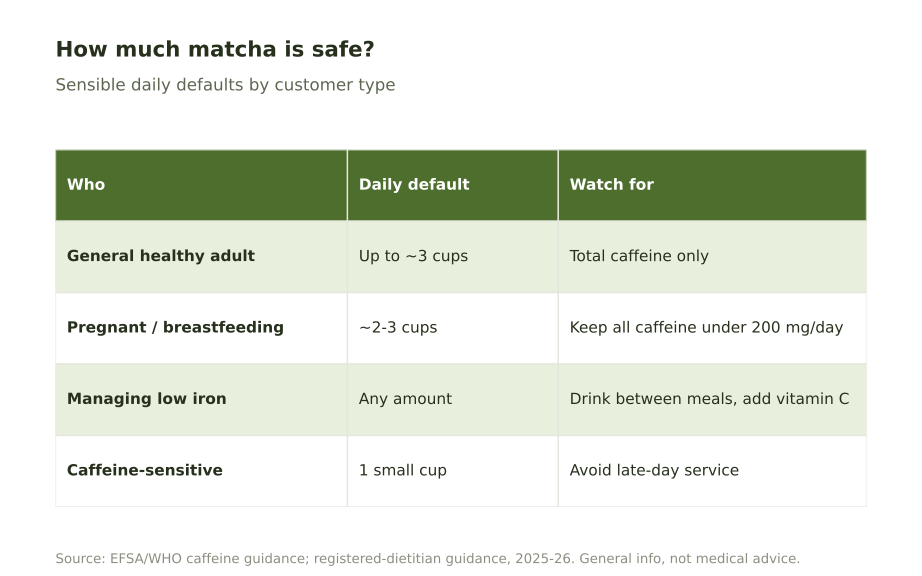
For healthy adults the limit is set by caffeine: about six 2 g servings reaches the FDA's 400 mg reference, with no other caffeine. Most people never get near that, and one to three servings a day is a comfortable range. Sensitivity varies a lot between people, so the usual caffeine effects, jitteriness, a racing heart, poor sleep, or an unsettled stomach, can appear well below the ceiling. None of this is unique to matcha; it is the same ceiling that applies to any caffeinated drink.
Sensible defaults by customer type:
Because you consume the whole leaf, a matcha is only as clean as the leaf it came from. With loose-leaf tea, much of what is on the leaf stays in the pot. With matcha it goes into the drink, so provenance, harvest and lab testing shape what ends up in the cup.
What separates a low-risk matcha from a cheap one:
From the sourcing floor
The "matcha causes anemia" clip that went viral in 2025 reached our cafe partners within days, and the ones who could answer it calmly, one cup between meals is fine, kept selling while others lost the sale to hesitation. The health conversation is now part of the product. We give partners the sourced version so their baristas sound informed, not defensive.
Give staff one sentence per question, and send anything medical to a professional. These are the safety questions that come up most often, with answers your team can repeat without overclaiming.
| Customer asks | What staff can say | Based on |
|---|---|---|
| Is there a lot of caffeine? | About 64 mg in our standard drink, less than a drip coffee. | Japan food composition tables; FDA |
| Isn't green tea bad for your liver? | The warnings are about high-dose extract pills, not tea drinks. | EFSA 2018; EU Regulation 2022/2340 |
| Does matcha cause anemia? | It can reduce iron from food eaten at the same time, so have it between meals. | Tea and iron absorption review |
| Can I have it while pregnant? | Usually yes within your daily caffeine limit; one drink is about 64 mg. Your doctor can confirm. | ACOG; EFSA; Health Canada |
| I take warfarin. | Matcha contains vitamin K, so please check with your pharmacist. | Japan food composition tables |
| Is it tested? | Yes, here is where it comes from and how it is tested. (Only if you hold the lot's CoA.) | Your supplier's certificate |
If you add matcha to the menu, these answers belong in your staff training notes. Our guide to adding matcha to your cafe menu covers the rest of the rollout.
Yes. For most healthy adults, one to three servings of matcha a day is well within safe limits. The thing to watch is total caffeine, about 64 mg per 2 g serving, alongside any coffee or other tea. If you are managing low iron, drink matcha between meals rather than with them.
There is no evidence that normal matcha drinking damages the liver. EFSA's 2018 opinion linked liver-enzyme rises to 800 mg or more of EGCG a day taken as supplements, and considered traditional green tea drinks generally safe at usual intakes. Very heavy matcha drinkers should not add green tea extract capsules on top.
Matcha does not cause anemia by itself, but its polyphenols can reduce absorption of plant (non-heme) iron eaten at the same time. Drinking it between meals and adding vitamin C to meals avoids most of the effect.
Japan's official food composition tables list matcha at 32 mg of caffeine per gram, so a 2 g serving has about 64 mg. The FDA puts an 8 oz drip coffee at 80 to 100 mg. Matcha is roughly two thirds of a drip coffee or less.
Usually yes, within a daily caffeine budget: 200 mg in US (ACOG) and EU (EFSA) guidance, 300 mg in Canada. At about 64 mg per serving, that is about three servings with no other caffeine. Confirm individual cases with a doctor or midwife.
Matcha contains vitamin K, about 58 µg in a 2 g serving based on Japan's food composition tables, and vitamin K affects how warfarin works. People on warfarin are usually advised to keep vitamin K intake consistent rather than avoid it. Check with your pharmacist before changing how much you drink.
Matcha contains caffeine, so treat it like any caffeinated drink. Health Canada suggests children and teens stay under 2.5 mg of caffeine per kg of body weight a day, which for a 30 kg child is about one 2 g serving.
About 190 mg: roughly 64 mg from a 2 g matcha serving plus about 127 mg from a double espresso. That is close to the full 200 mg daily budget used in US and EU pregnancy guidance.
No. Commission Regulation (EU) 2022/2340 restricts green tea extracts so that a daily portion contains less than 800 mg of EGCG, and it excludes extracts whose drink is comparable to a traditional green tea infusion. It targets concentrated supplements and fortified foods.
It can be. Because matcha is whole leaf, anything on or in the leaf, such as pesticide residue or heavy metals, ends up in the cup. Matcha from a traceable farm with a certificate of analysis for the lot you buy is the low-risk choice.
Matcha is safe for the large majority of people at one to three servings a day. The side effects worth knowing are ordinary: caffeine (less than a drip coffee per serving), lower iron absorption at mealtimes (fixed by timing), and vitamin K for people on warfarin. The liver warnings belong to extract pills. The biggest lever you control is quality, because a whole-leaf tea is only as clean as its leaf.
Japanomars supplies specialty cafes with first-harvest matcha from farms we work with directly, milled after you order and fully traceable to region and harvest, so every health question your baristas field has a sourced answer. Request samples and current wholesale pricing.
Request samples & pricing
Hiroshi Asami is the founder of Japanomars, a Japanese matcha exporter supplying specialty cafes in North America, Europe and Asia. Japanomars works directly with farms and regional tea factories in Uji (Kyoto), Sayama, Ibi, Ureshino, Yame, Kirishima, Chiran and Miyazaki. This article is general information, not medical advice.
Sources
%E7%99%BD_%E5%A4%A7%E3%81%8D%E3%81%84.png)