Regions · Ureshino, Saga
 By Hiroshi, founder of Japanomars
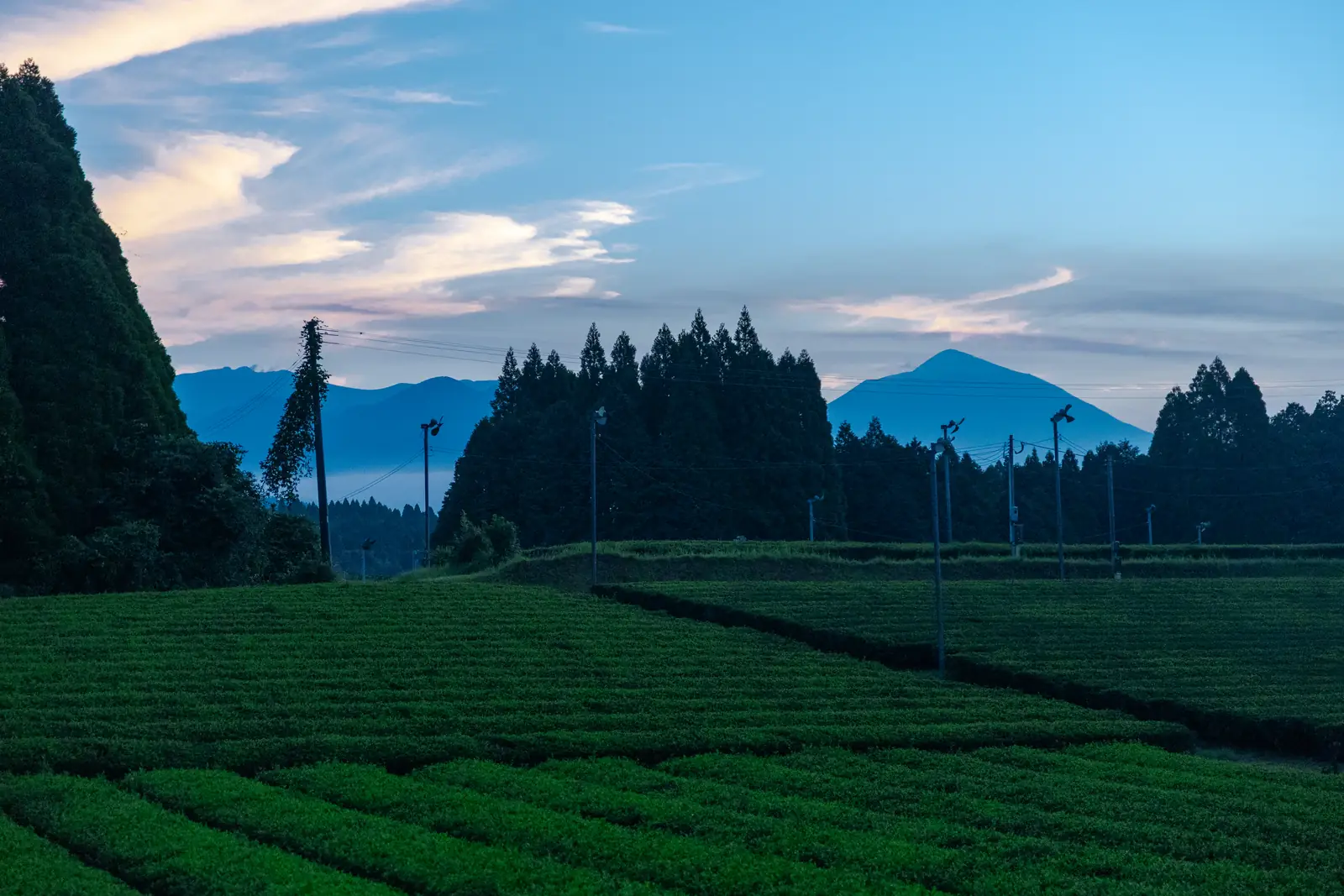
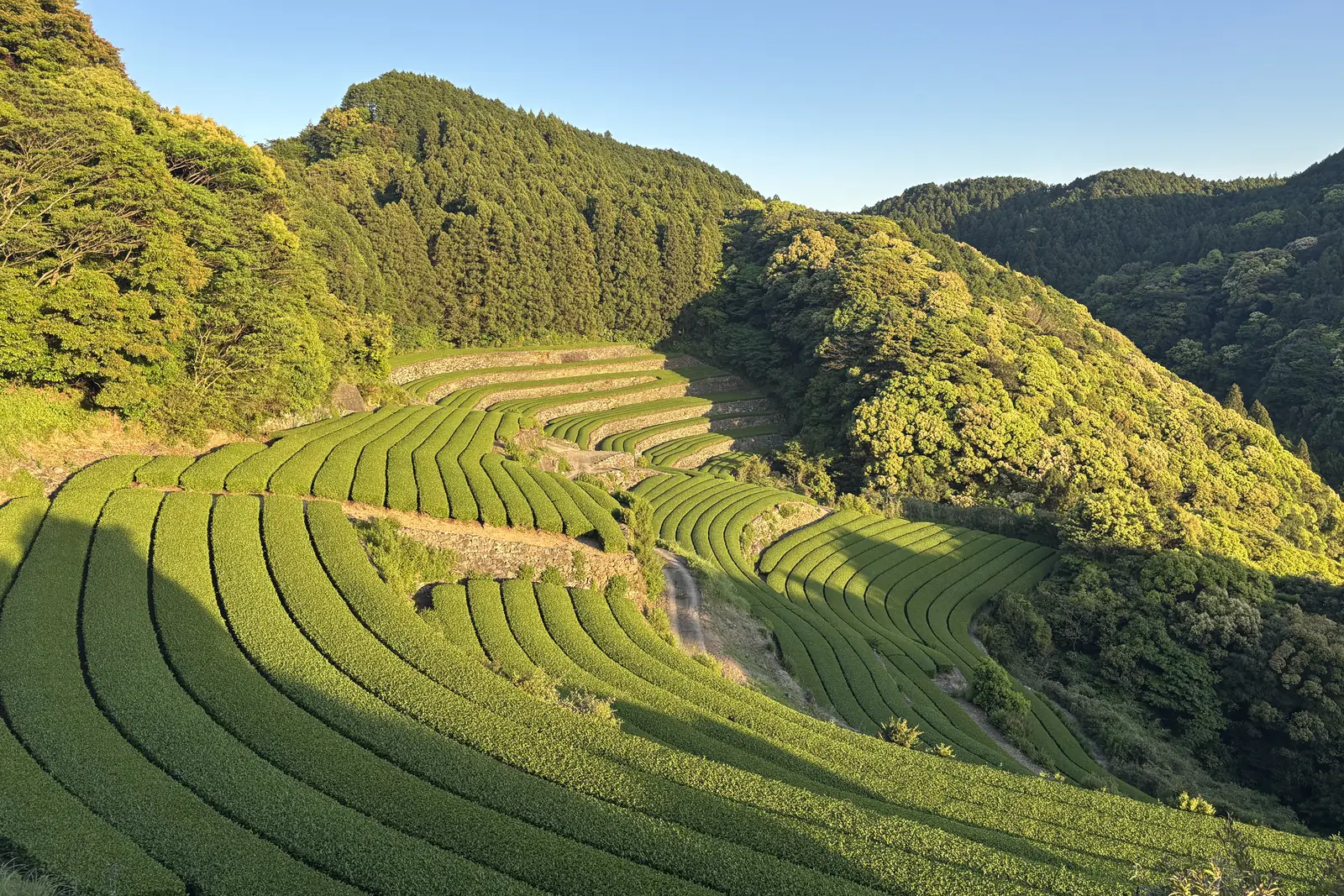
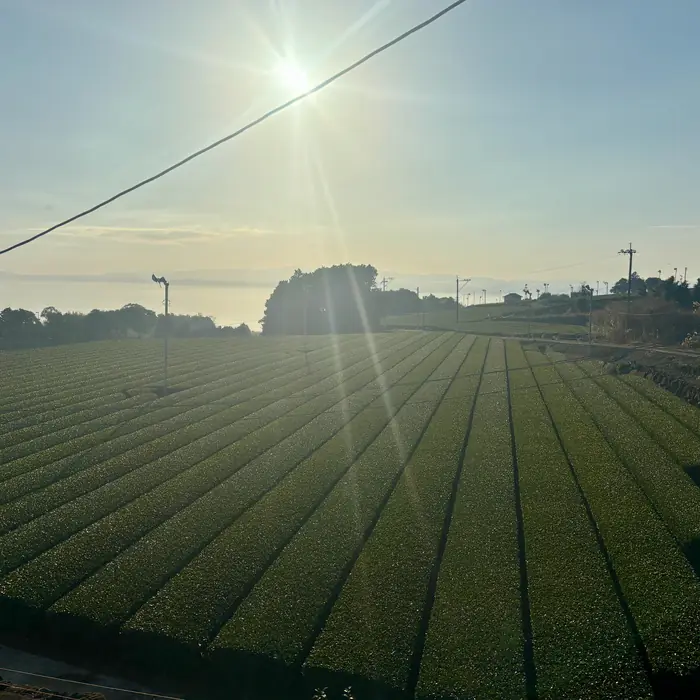
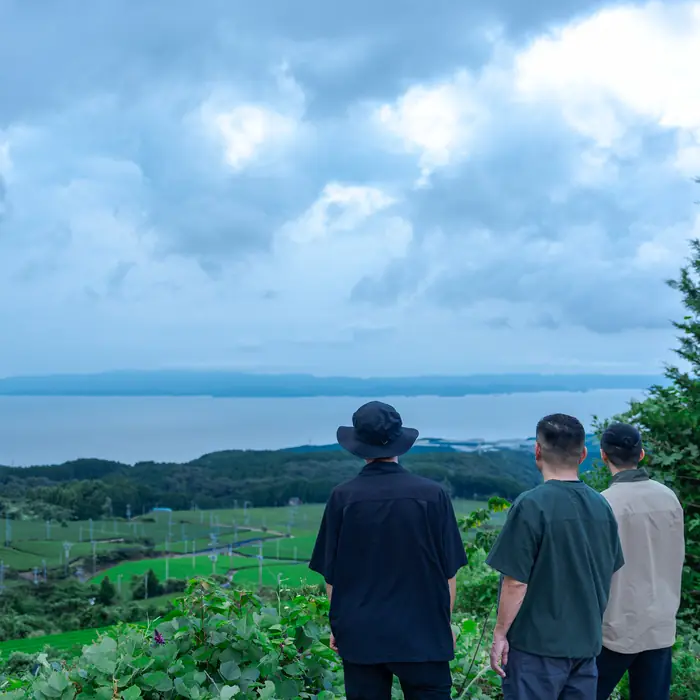
Ureshino in Saga and Sonogi in Nagasaki sit on either side of a prefectural border, one continuous tea belt. On the Nagasaki side, the hills look down on Omura Bay. That is where Mr. Oyama farms.
At a glance
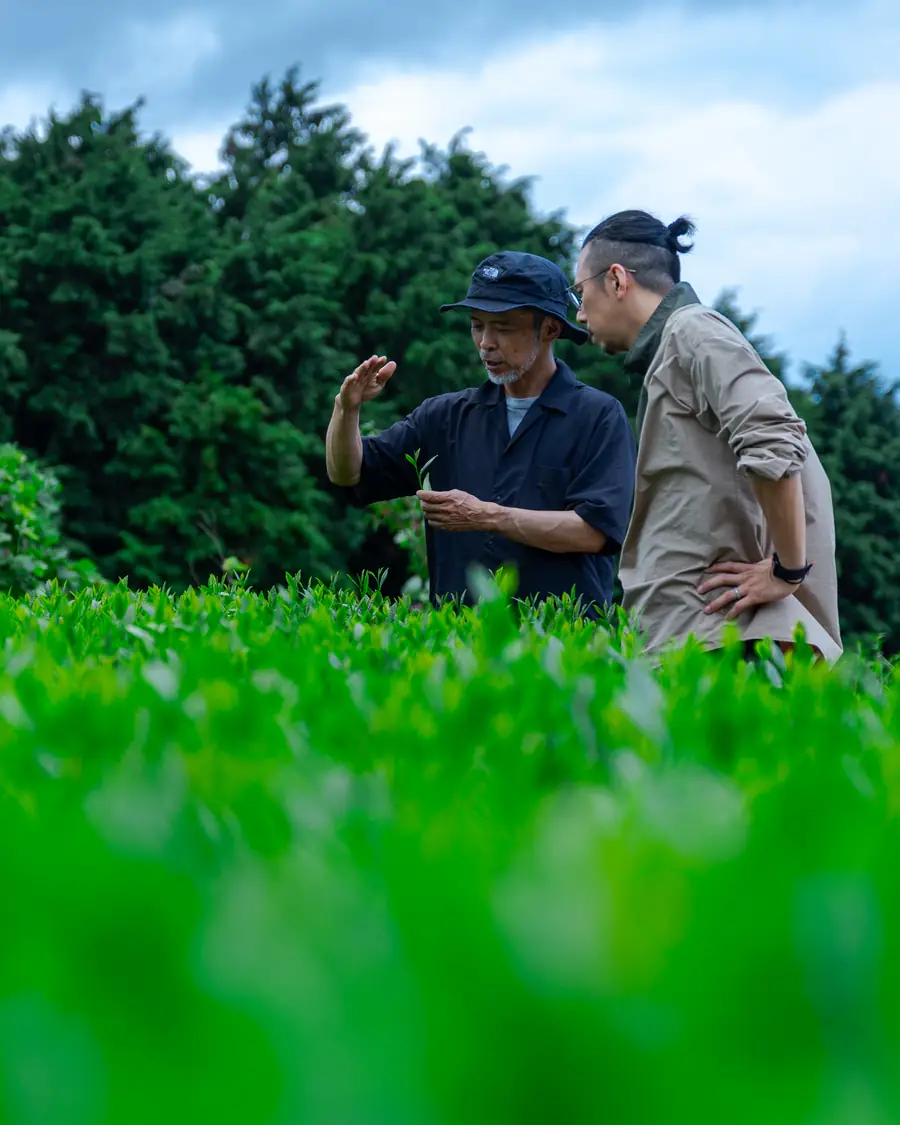
You know how, when we make dashi in Japan, we combine plant and animal ingredients? So we blend the fertilizer the way you make dashi, so that umami comes through in the cup.
Mr. Oyama
His base fertilizer is fish meal, meat meal, rapeseed meal and rice bran. He mixes them with water and lets them ferment, about a month and a half in summer and two months in winter, before they go on the field.
“The umami, sweetness and color of the finished tea all change with the soil and the fertilizer. So that's what we care about most.”
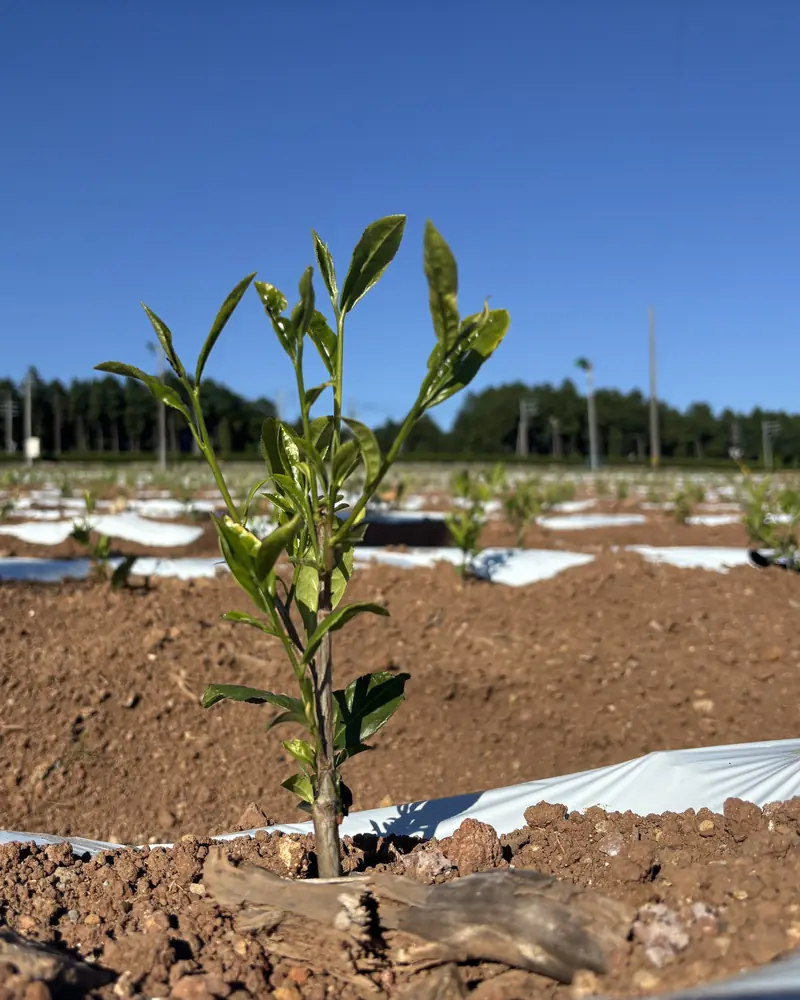
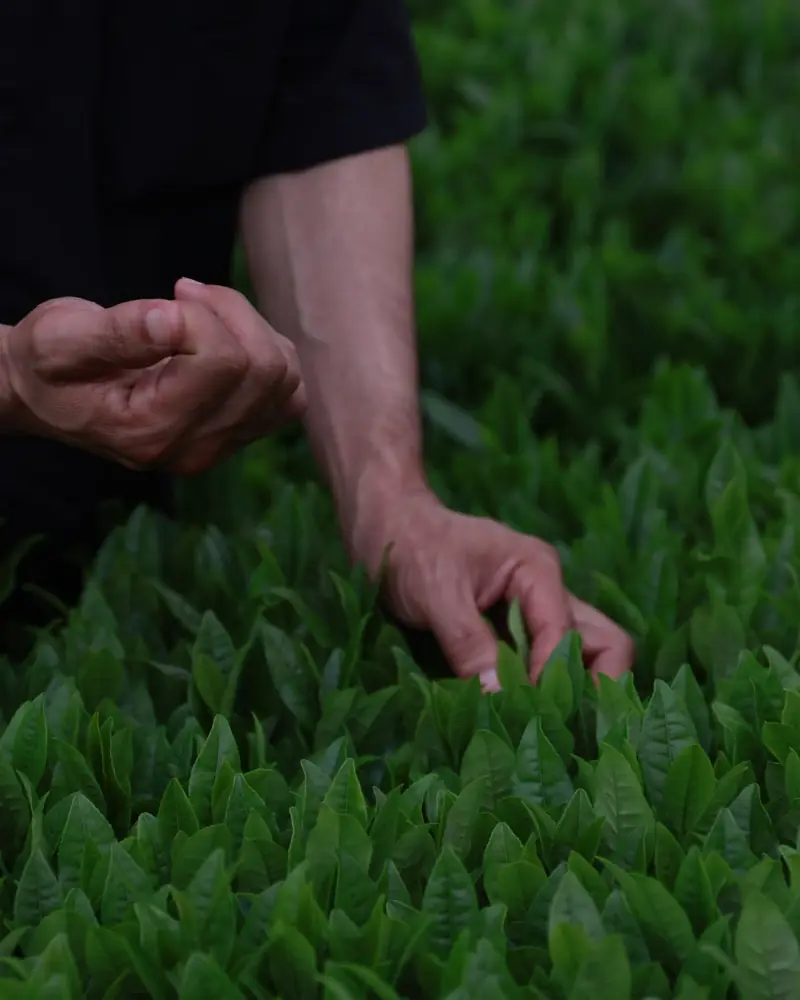
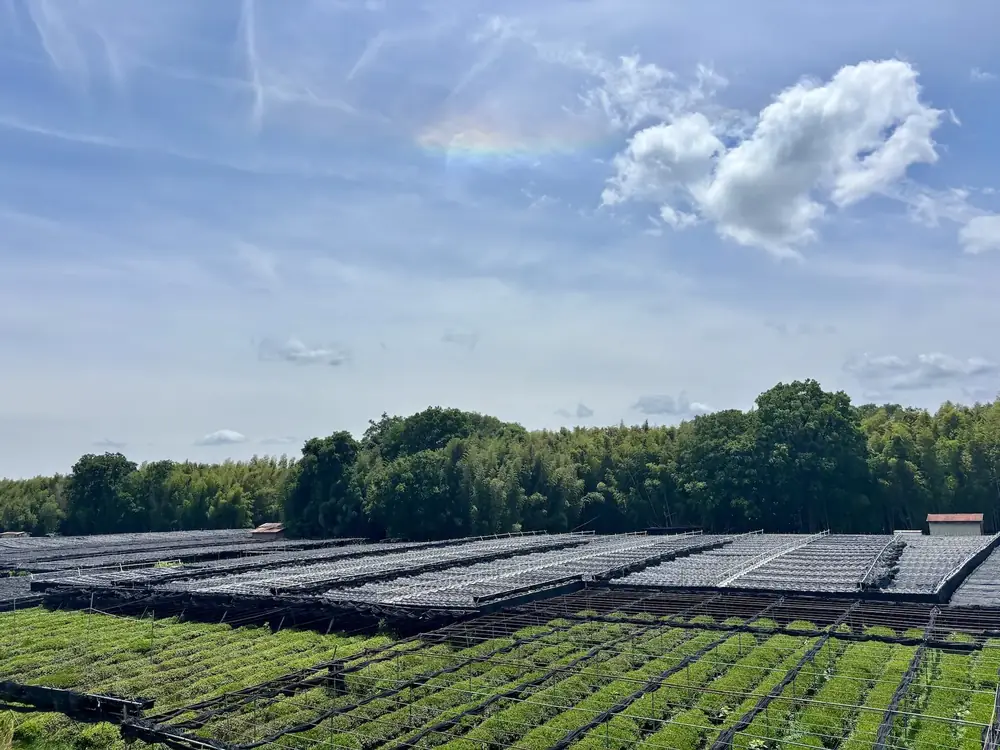
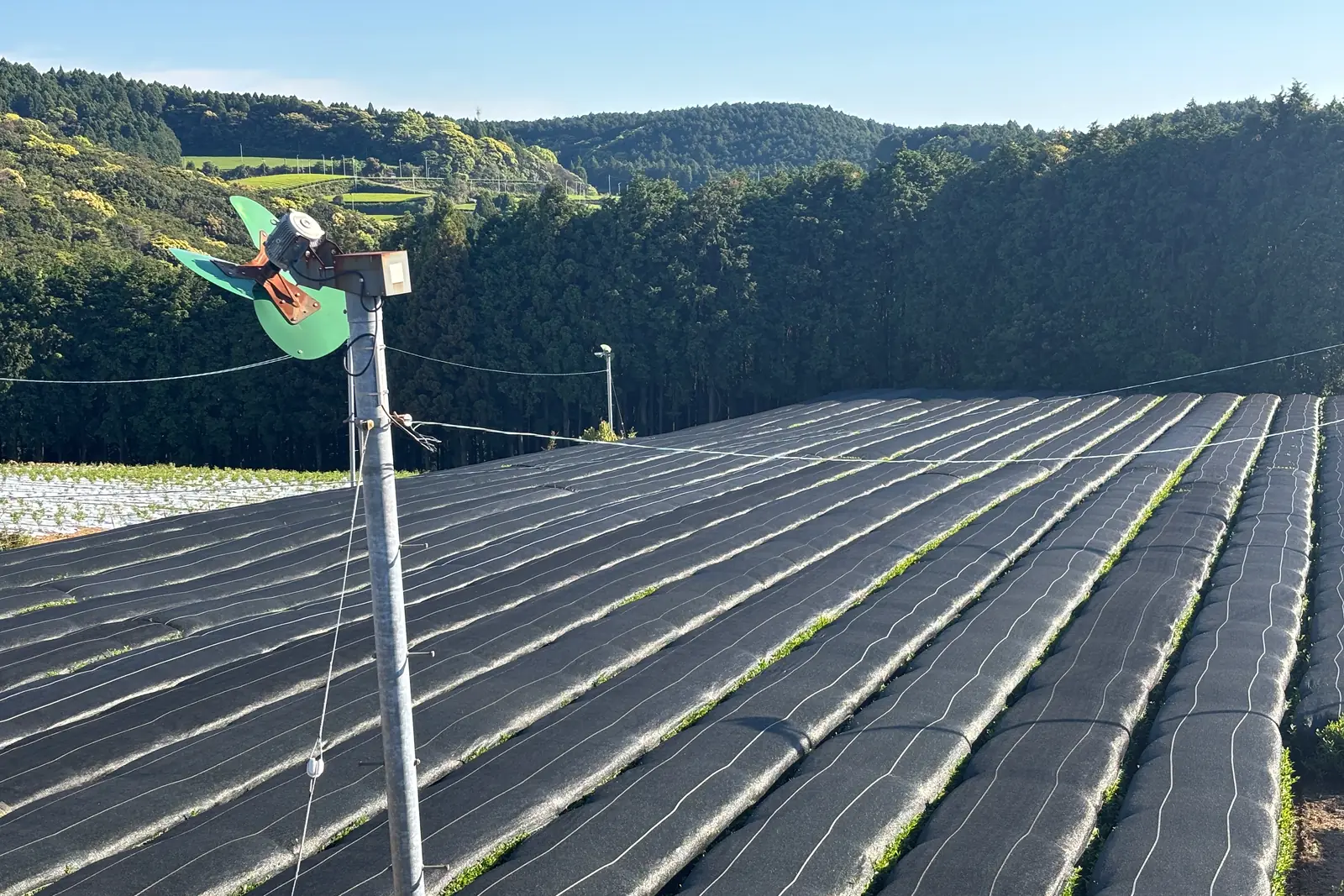
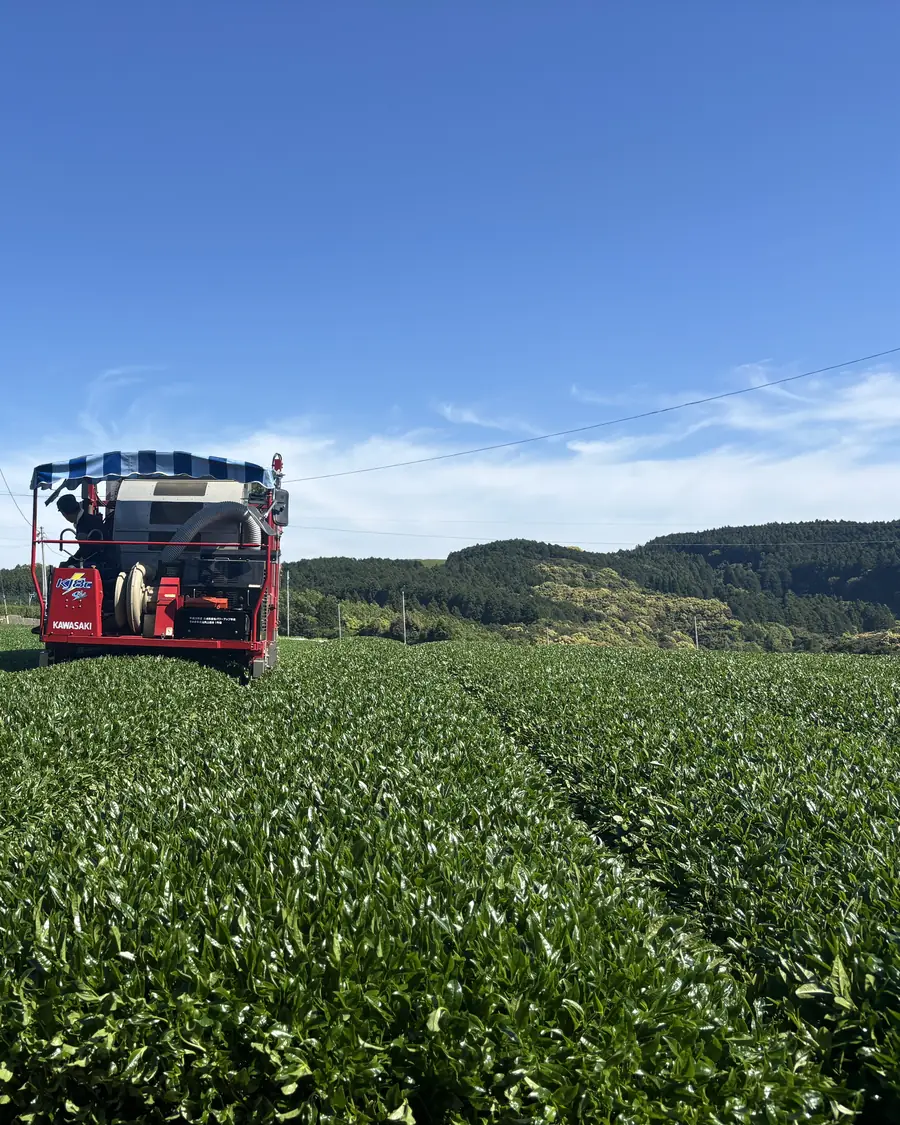
In spring the rows go under black cloth. Less sun means a deeper green and more umami.
Swipe →
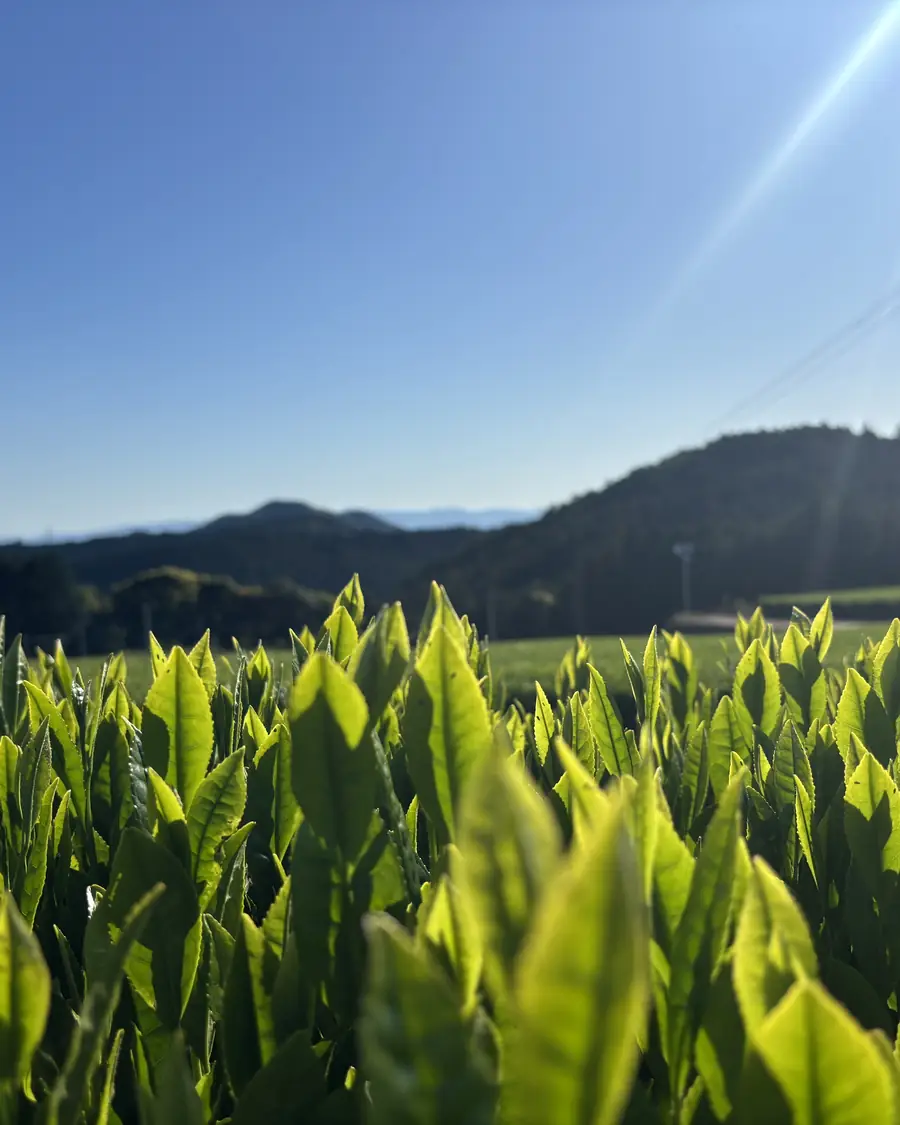
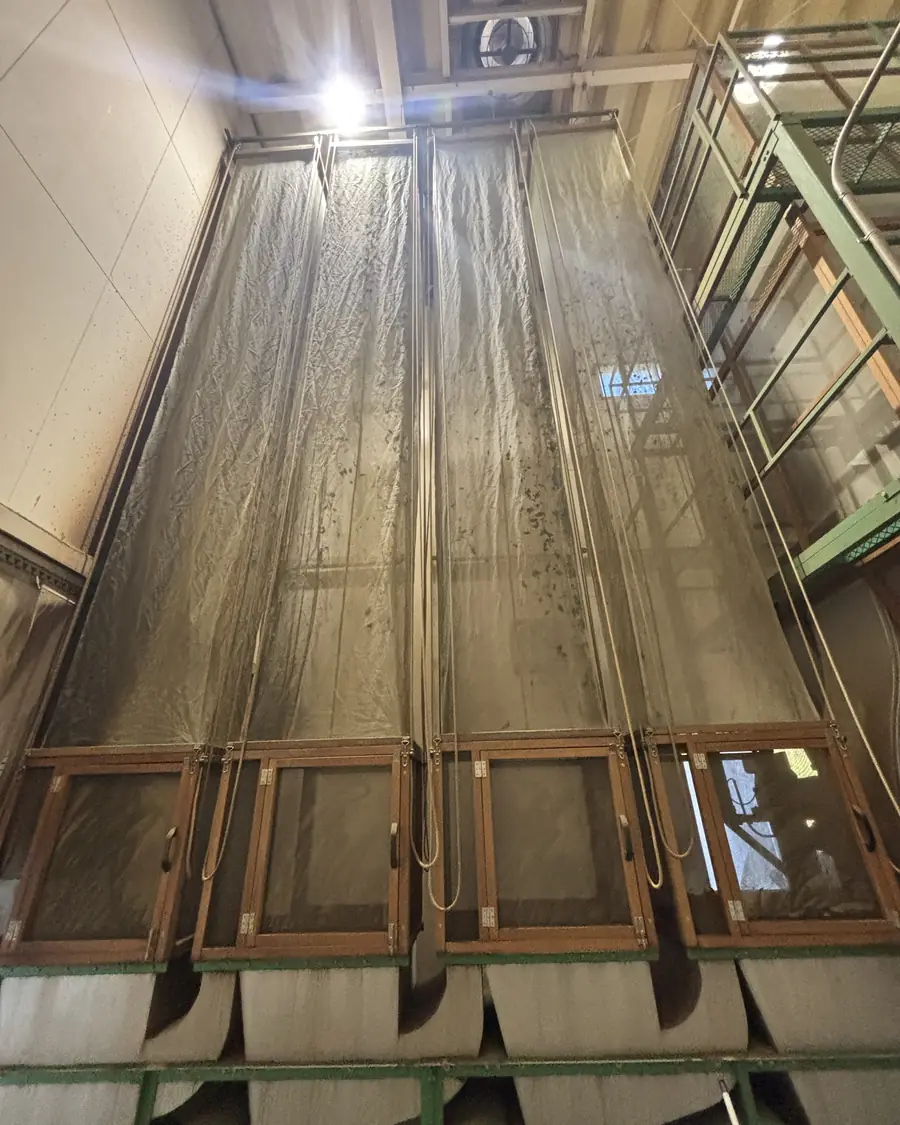
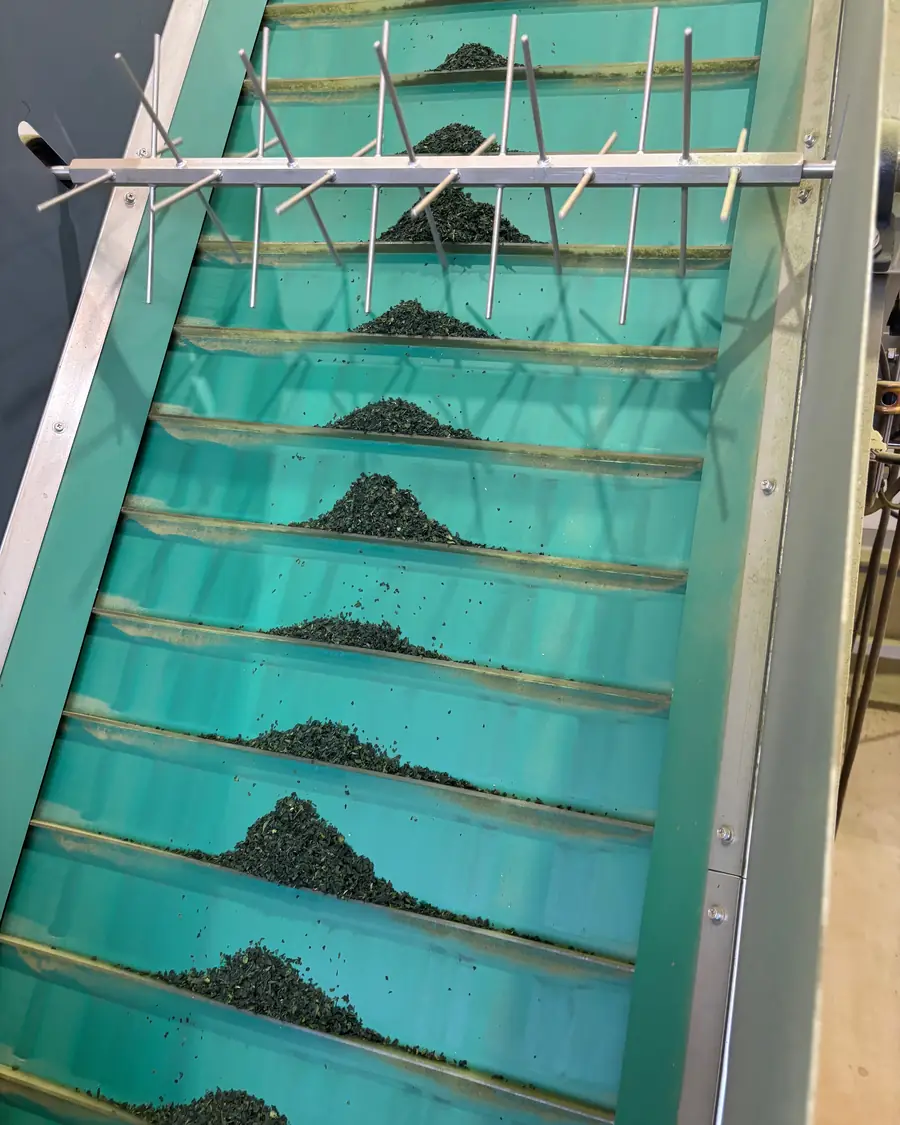
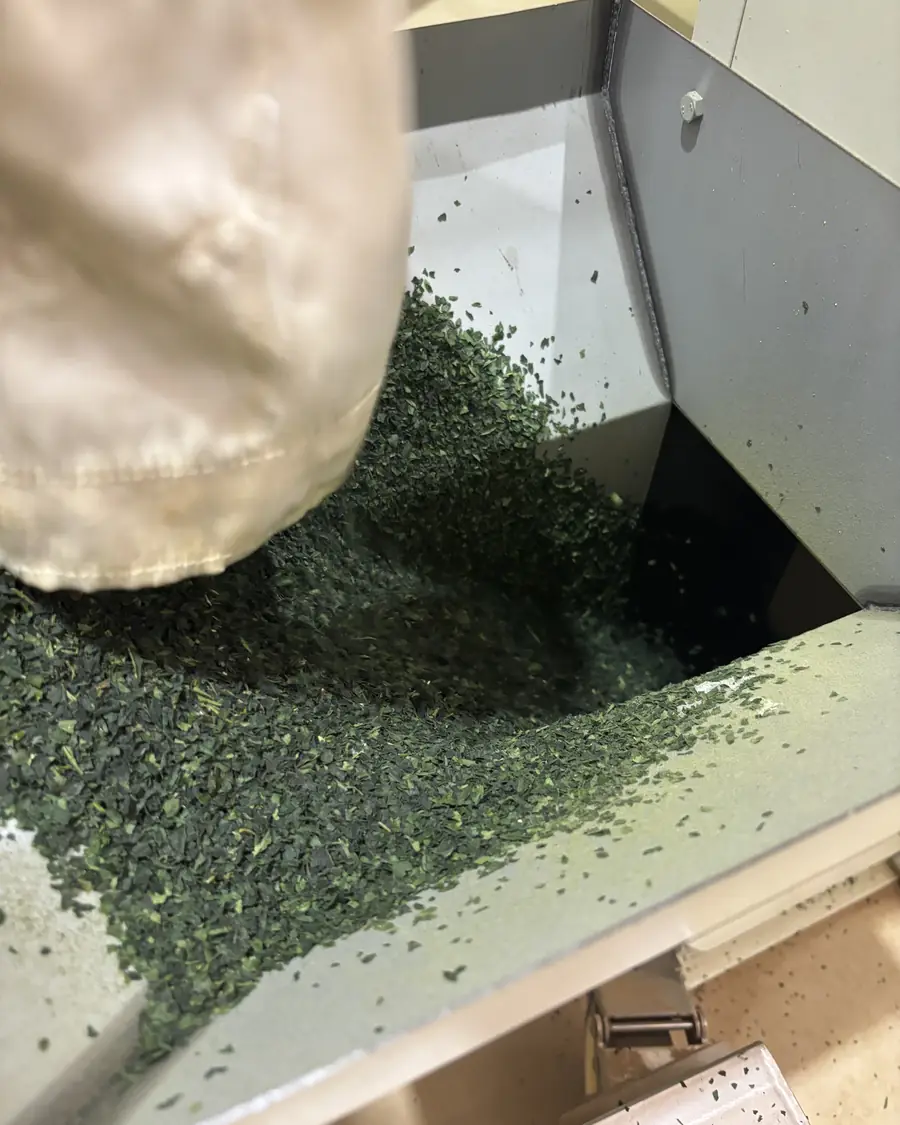
When Mr. Oyama first took his tea to Europe, almost nobody there brewed tea in a teapot, and the green tea in supermarkets said made in China. Today, people understand umami. And the matcha latte? It doesn't bother him at all.
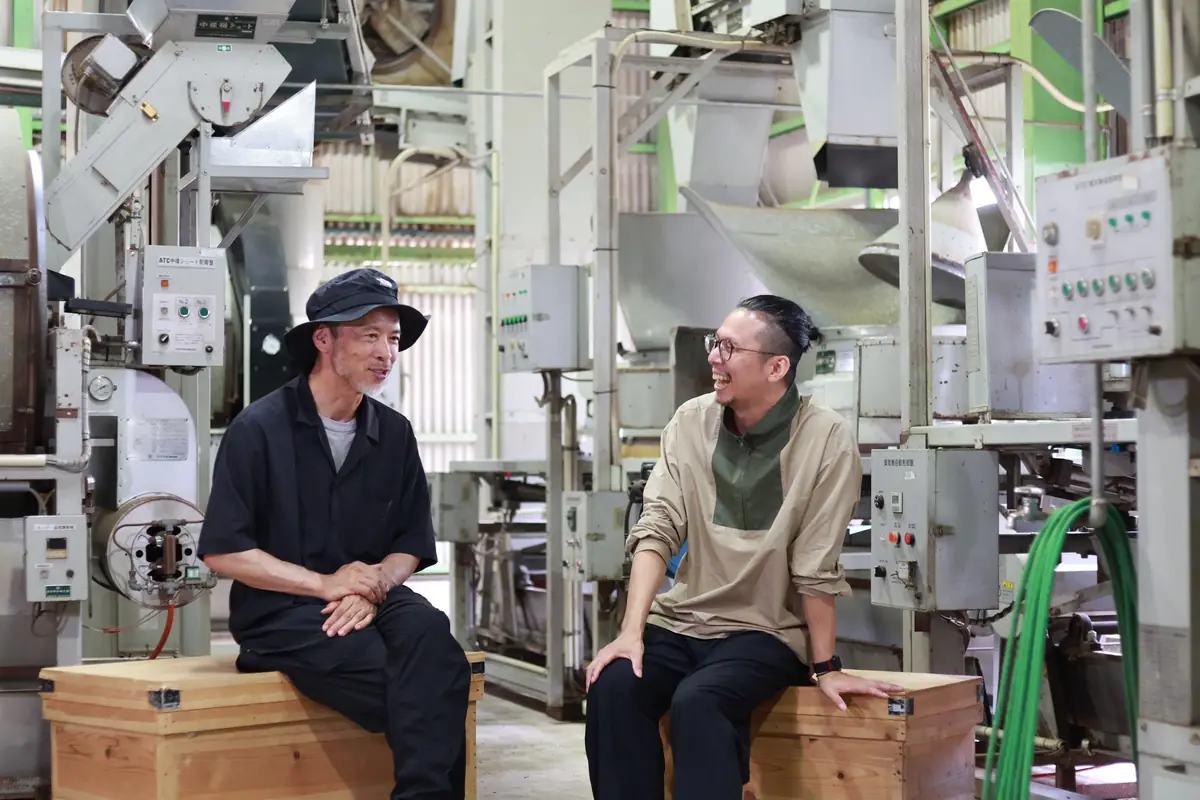
It's an entrance. People drink it as a way into tea. If matcha latte is the door into that world, I think that's great.
Mr. Oyama
Visitors now come all the way up into these hills looking for tea, some from overseas, because they tried it somewhere and liked it.
He didn't want to be a tea farmer at first. He moved to Tokyo and worked in a record shop in Shibuya. Music, he says, is a matter of taste. So is tea.
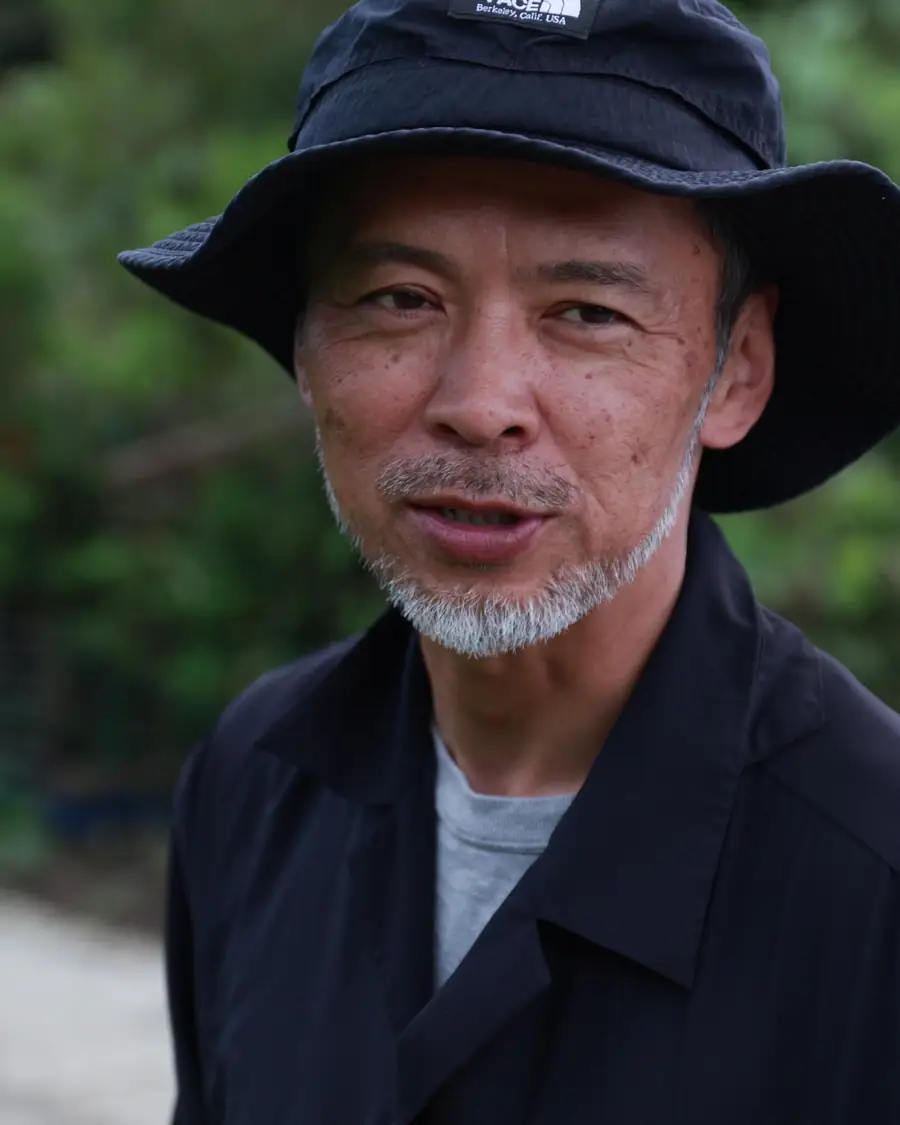
You don't need all 100 people to like you. Not everyone has to love it.
Mr. Oyama
His farm makes mostly green tea, and some black tea too. “A bit of a remix,” he says.
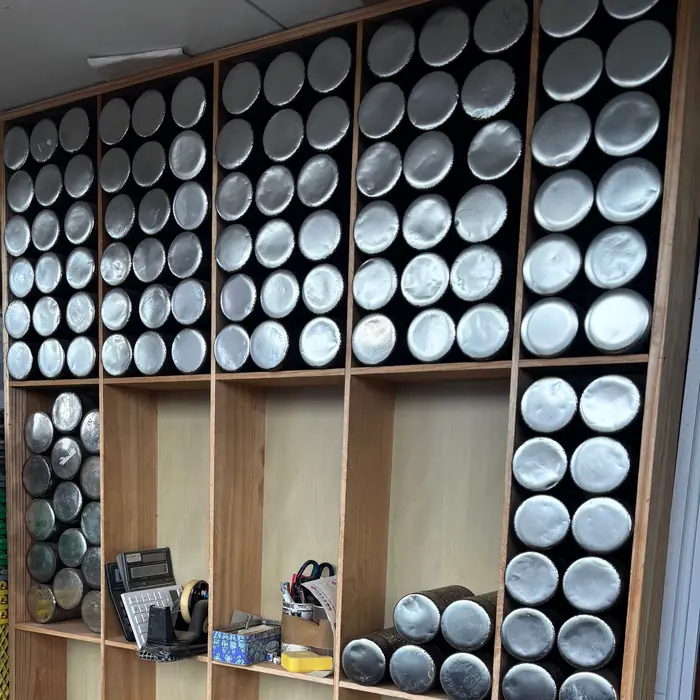
Before anything ships, our partners in Ureshino sort the tencha, taste lots side by side and decide what is ready to leave Japan.
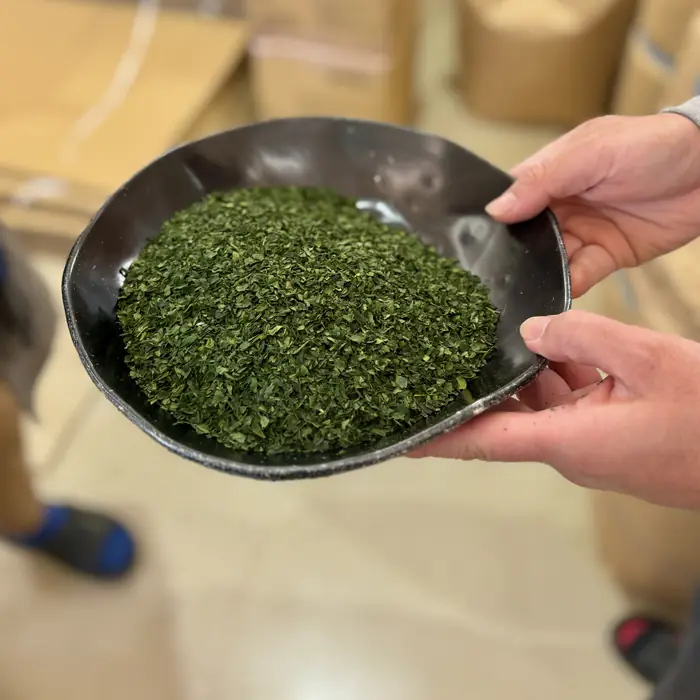
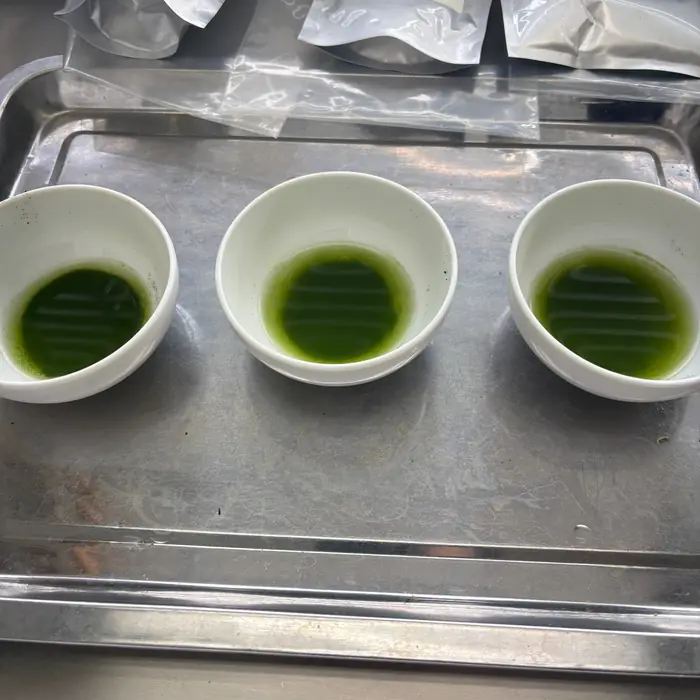
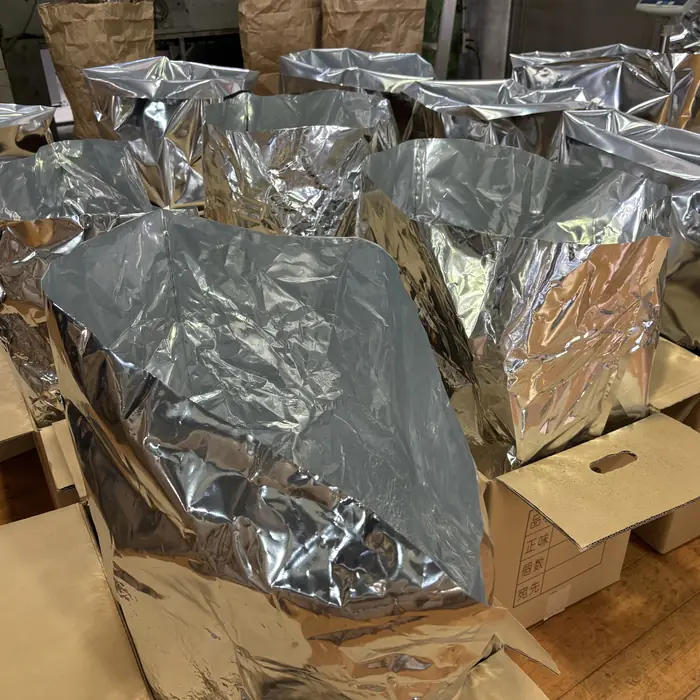
We visit in every season, and we bring cafe owners from overseas to see the fields and the factory.
About Mr. Oyama
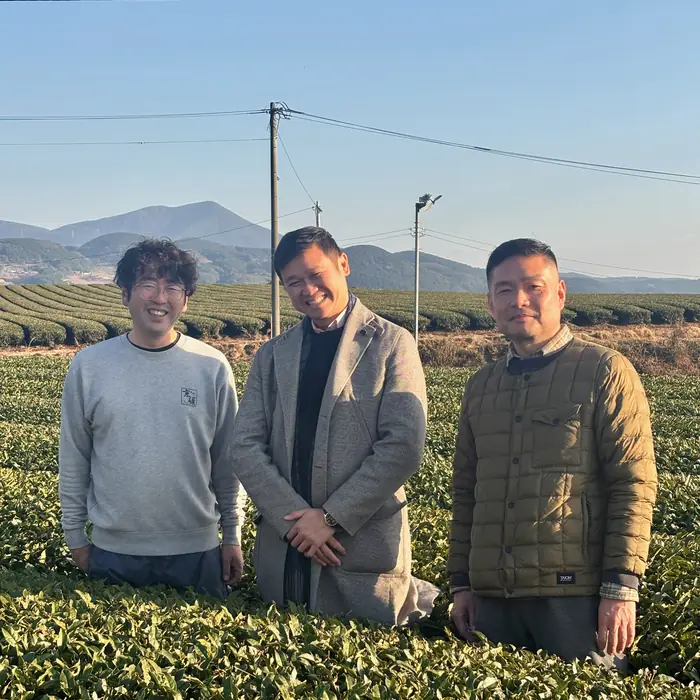
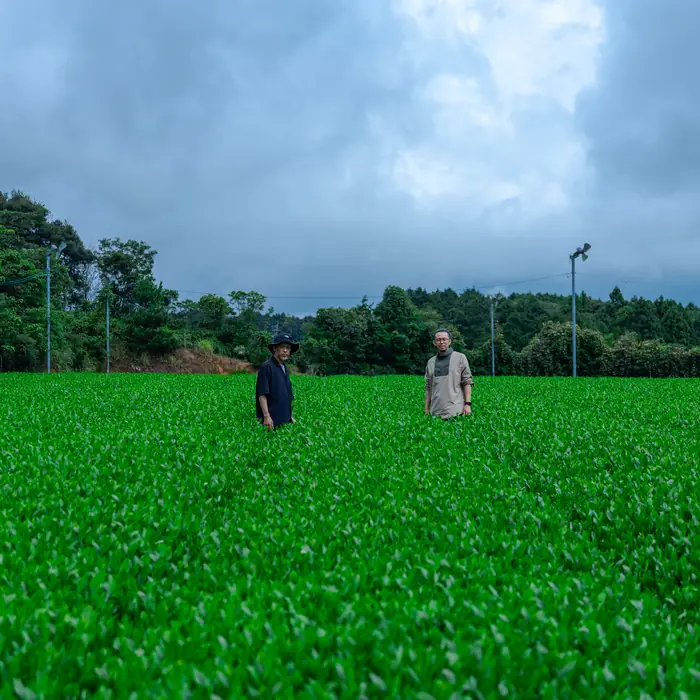
Mr. Oyama is a tea farmer on the Nagasaki side of the Ureshino-Sonogi tea belt. He did not plan to farm. He left for Tokyo and worked in a record shop in Shibuya before coming home to tea. He builds his soil with fertilizer he blends and ferments himself, makes mostly green tea along with some black tea, and travels with fellow growers to Europe and the US to share Japanese tea. He grows in the tea belt we source from, and we visit in every season.
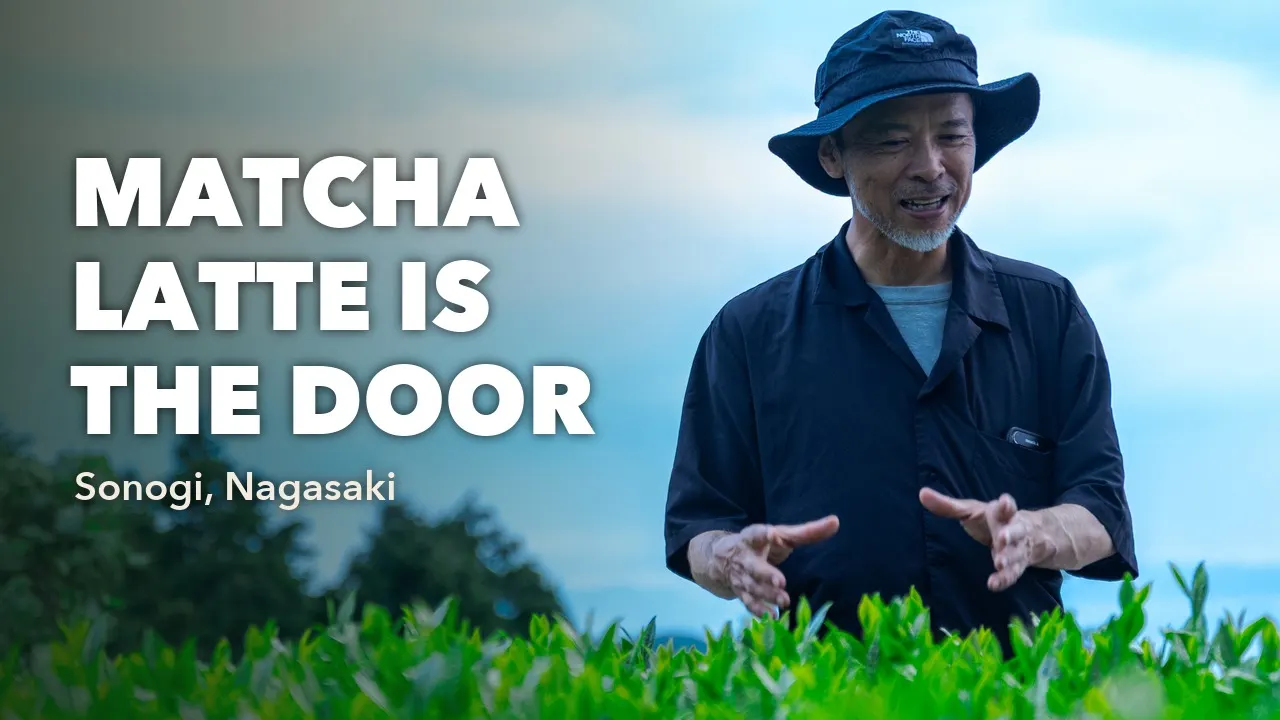
A 12-minute film from our visit to the farm. In Japanese, with English subtitles.
Questions by Hiroshi, answers by Mr. Oyama. Translated from Japanese and lightly edited for length.
What do you care about most?
Whether it's tencha or tamaryokucha, the basics are the same. It's building the soil. The soil is everything. The roots are what take up the nutrients. Up top, the leaves photosynthesize and put out new buds.
The key to flavor is nutrition, so it's about how easily the tea plant can take those nutrients up. The umami, sweetness and color of the finished tea all change with the soil and the fertilizer. So that's what we care about most.
Do you buy your fertilizer, or blend your own?
Our base fertilizer is organic: fish meal, meat meal, rapeseed meal and rice bran, all mixed together. We get each one from the co-op and from suppliers, mix them, and add water. Then we let it ferment.
About a month and a half in summer, about two months in winter. That's our bokashi fertilizer. It's a way to cope with the heat that comes with climate change. Fertilizer has to break down before the roots can take it up. Spread it as it is, and the plant can't absorb it. So we let it break down first.
What's the idea behind your blend?
You know how, when we make dashi in Japan, we combine plant and animal ingredients, like dried sardines and kombu? It's the same thing. Japanese umami is really the umami of dashi, a kind of stock.
So we blend the fertilizer the way you make dashi, so that umami comes through in the cup.
We do overseas promotions. We travel to Europe and the US. When we first went, about fifteen years ago, almost nobody brewed tea in a teapot. If you turned over the green tea in a supermarket, it said made in China. That was how people saw green tea, even in Europe.
There was a little matcha, but good matcha just wasn't out there. I wanted to know how the tea we make would be judged in markets abroad. Would tea that tastes good in Japan taste good overseas too? How would umami go over? Sweetness? Astringency?
Tea is a matter of taste, and tastes vary. I went wondering what kind of tea people would like most. Now, compared with back then, a lot more people drink it. People have come to understand umami, and what good tea really is.
Honestly, it doesn't bother me at all. It's an entrance. People drink it as a way into tea. Matcha lattes range from great to 'is this really a matcha latte?' But from there, people keep digging deeper.
Matcha comes from a single tea plant. Process it differently and you get sencha, tamaryokucha, black tea, hojicha. If matcha latte is the door into that world, I think that's great. In Japan too, more and more homes don't even have a teapot.
Japanese tea culture is slowly fading. We felt that if young Japanese people don't drink it, we have no future. So how do we get young people to drink it? People in Japan tend to look up to things from overseas, like fashion, and music.
When something's a hit abroad, people here ask, 'Why isn't it big here? It's from Japan!' Little by little, tea stands and places that brew Japanese tea properly have opened here. So young people get more chances to try it. Just this morning, a young couple from Chiba stopped by on their way to the Goto Islands.
They came all the way up into these mountains. Visitors from overseas too. They stay in Nagasaki or nearby, and come all the way here looking for tea. When I asked them, they said they'd tried it somewhere and liked it.
Honestly, at first I didn't want to be a tea farmer. I wanted to be somewhere exciting. I moved to Tokyo, to Shibuya, and worked in a record shop.
Does music connect to the way you make tea?
Music is a matter of taste too. Some people love rock, some love hip-hop, some love soul. But somehow they're all connected. Tea is the same. Black tea, green tea, all kinds, and everyone has favorites.
The taste changes from grower to grower. So the two aren't that different. Music is culture, born in different places. Overseas, Black culture gave us soul and jazz.
It's not exactly the same as music, but you don't need all 100 people to like you. Not everyone has to love it. We mainly make green tea, but we make black tea too.
A bit of a remix.
You didn't plan to take over the farm, but you did. Why?
My parents raised me to take over the farm. 'You'll take over. Stay on this track and you can't go wrong.' I hated that. Having it decided from the start.
Not quite punk rock, but when you're young, you rebel. I thought it wouldn't hurt to see the world for a few years. So I just left home. I was the foolish son. But later, they understood.
If I hadn't gone out that once, my heart wouldn't have been in it. The quality, the volume, none of it would be where it is now. I'm glad I went out and did what I wanted.
It's time to start thinking about handing things over to the next generation. I have two daughters. I don't know if they'll take it on. But I think about how this tea business can carry on into the next generation.
Even if it's not my family, maybe someone else can carry it on. Succession is our biggest challenge. But my daughters have watched us go abroad for promotions since they were little. 'If making tea gets you to Europe, tea sounds good.'
Ten years from now, my daughters... I tell them to do what they want. But my older daughter says she wants to work in tea. People from overseas come all the way up here now.
So learn English, and tell people about our tea in your own words.
As growers, we face tea sincerely. When it comes to making things, it's not about money or profit. Japanese tea is a culture that's been passed down for generations. We want to protect that, and make good tea. That's what's good about Japanese tea.
If a guest asks
Smooth and bright, with a natural sweetness and a clean finish.
“This matcha comes from the tea belt on the border of Saga and Nagasaki, where the hills run down to the sea. One of the farmers there feeds his soil the way you make dashi.”
We send 20 g samples so you can taste it next to what you pour now. Tell us about your menu and we'll suggest the regions that fit.

Put the QR code on your counter or menu so guests can see where their matcha comes from.
Open the QR code (PNG) · japanomars.com/regions/ureshino
Photos: Japanomars